How to Microwave Food Without It Getting Soggy Every Time
Discover practical techniques to microwave food without soggy textures. Learn moisture control, crisping methods, and smart timing to keep leftovers crisp.


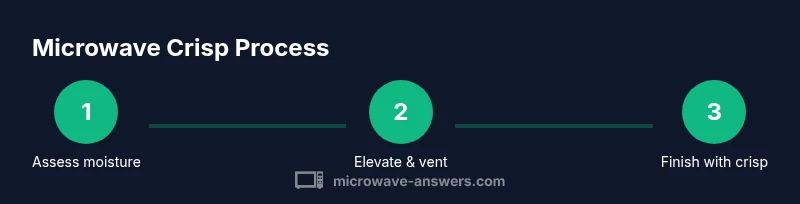
You can microwave without sogginess by managing moisture and heat: pat foods dry, use a microwave-safe rack to lift from liquids, vent lids to let steam escape, microwave in short bursts, and check for doneness between cycles. For breaded items, re-crisp in a dry pan after microwaving. This approach minimizes moisture buildup and preserves texture while reheating or cooking.
Why moisture makes microwaving tricky
Microwave cooking relies on rapid agitation of water molecules, which generates heat. However, that moisture can also turn into steam that condenses on the food's surface if it can't escape quickly enough. The result is a soggy exterior and a less appealing texture, even when the center is hot. Foods with sauce, breaded coatings, or high water content—like broccoli or cooked rice—are especially susceptible. The trick is to give moisture somewhere to go: heat quickly enough to warm the inside, but allow surface moisture to evaporate instead of pooling. The Microwave Answers team notes that moisture management is the key to better texture when reheating or cooking in a microwave. By focusing on dry surfaces, breathable setups, and targeted heating, you can preserve crispness without sacrificing safety or speed.
Preparing foods to stay crisp before microwaving
Preparation matters as much as the microwave itself. Start with items that are as dry as possible: pat meats, vegetables, and starches with a clean cloth or paper towel, and remove excess sauces that can create sogginess during reheating. If you cut foods into uniform pieces, they heat more evenly, which reduces the risk of soggy patches. For leftovers, separate foods that release more moisture (like sauce-laden pasta) from drier components (like bread or roasted vegetables) to prevent moisture transfer. Use a microwave-safe rack or perforated plate to elevate food slightly above any surface moisture. Finally, avoid stacking items tightly; give hot air room to circulate. According to Microwave Answers, surface dryness and proper spacing are simple but powerful levers for texture when microwaving.
Tools and setups that promote crisp textures
Your toolkit can make a big difference. A microwave-safe rack or metal trivet allows air to circulate underneath, preventing moisture from pooling. A white or light-colored microwave-safe plate helps reflect heat and reduces uneven hotspots. Paper towels or a clean dish towel placed around the edges can wick moisture away from the food’s surface when used beneath, on top, or as a loose cover. A vented microwave cover or loosely tented lid keeps heat in while letting steam escape, reducing condensation. For extra crispiness on certain items, a microwave crisper tray or a silicone mat designed for microwaving can add texture without the prolonged heat of an oven. Lastly, choose glass or ceramic dishes over metal whenever possible to avoid arcing and ensure safe operation. Compostable napkins are optional; cloth towels work too but may retain moisture.
The science behind moisture and steam
Moisture is both your ally and your enemy in microwave cooking. Water molecules absorb energy quickly, but steam must escape to avoid dampness on the surface. The degree of sogginess depends on how fast moisture can exit the food’s surface and how uniformly heat is delivered. The crust or outer layer acts as a barrier; if it stays wet, the interior can overheat while the exterior stays damp. Venting is essential: if you cover foods too tightly, steam condenses on the lid and drips back, soaking the food. When you leave a small gap or use a vented cover, you give steam a controlled exit path. There’s also a practical timing element: shorter heating bursts with brief rests reduce excess moisture accumulation. According to Microwave Answers, combining dry surfaces, elevation, and partial coverage yields the best texture outcomes. This balance lets you heat safely and quickly while preserving the desired texture rather than sacrificing it to sogginess.
Techniques for reheating common foods
Leftovers with sauce: reheat on a rack, uncovered or with vent, in short intervals (30-45 seconds), stir and rotate; drips will reduce; adjust as needed. Rice and grains: reheat with a small splash of water and fluff after microwaving to maintain moisture without soggy clumps. Pasta with sauce: separate components if possible, reheat sauce separately, then combine to avoid soaking pasta. Pizza and bread: use a rack or perforated plate and finish with a brief warm crisp in a dry pan or toaster oven to restore crust.
Crisp-boosting hacks for vegetables
Vegetables heat quickly and release moisture; to keep them crisp, spread a single layer on a rack over a plate and avoid stacking. Cover loosely to trap heat but allow steam to escape. For greens like broccoli or green beans, microwave in short bursts (20-30 seconds) and test texture frequently to avoid limp results. If you’re reheating roasted veggies, a light dusting of oil can help maintain surface crispness while heating through.
Bread and pastries: preventing soggy bottoms
Bread-based items are especially prone to sogginess if the surface stays moist. Separate slices or pieces and place them on a rack or perforated plate to lift them off any condensation. Reheat in short pulses and finish with a quick browning step in a dry skillet or toaster oven to restore crust. If you must cover, use a vented lid and avoid sealing the bread completely. This approach keeps the interior soft while the crust re-crispes.
Reheating sauces and stews without scum
Sauces can become greasy or watery if heated too aggressively. Heat sauces in short spurts, stirring frequently to prevent separation. If using leftovers with meat or vegetables, keep components separated during reheating and then combine at the end to minimize moisture build-up and maintain texture. For coulis or emulsified sauces, avoid high heat that breaks emulsions and creates a greasy surface.
When to skip the microwave altogether
Some foods simply don’t reheat well in a microwave without losing texture. If a dish relies on a delicate crust, or if moisture control is crucial (like fruited pastries or tempura), consider finishing in a conventional oven, toaster oven, or skillet. This preserves texture more reliably, even if it takes a few extra minutes. The goal is to choose the method that preserves texture while meeting your speed needs.
Testing doneness without overcooking
Develop a habit of testing with short bursts: heat for 15-30 seconds, pause to check, then continue if needed. Gently press or flake foods to assess center temperature rather than relying on surface heat alone. Resting for a minute after microwaving helps distribute heat and moisture more evenly, which can prevent overcooking on the outside while the inside comes to temp.
Finishing touches to regain crispness after microwaving
If a dish looks damp after microwaving, finish with a quick dry-sear in a skillet or a brief pass under a hot broiler. A light drizzle of oil on vegetables or a sprinkle of grated cheese on pizzas can help restore texture and flavor. For breads, a final toast or crisp in the toaster oven is often enough to revive a crust without drying out the interior.
Practical checklists for perfect results every time
Create a simple preheat-and-prepare routine: pat dry, elevate, cover loosely, heat in short bursts, stir or flip, and finish with a crisping step if needed. Keep a small tray for testing tools, and always have a vented lid handy. A quick texture test after each microwave cycle saves wasted meals and ensures consistent results.
Tools & Materials
- Microwave-safe rack or trivet(Elevates food to prevent surface moisture contact; improves air flow.)
- Microwave-safe plate(Provides a stable base and helps distribute heat evenly.)
- Ventilated lid or loose cover(Allows steam to escape while keeping splatters minimal.)
- Paper towels or clean dish towel(Wicks away surface moisture; use around edges when needed.)
- Knife and cutting board(Prep portions evenly to promote uniform heating.)
- Optional: Microwave crisper tray or silicone mat(Adds surface texture for crispy results on certain items.)
- Perforated microwave-safe insert or light baking rack(Extra airflow for tricky foods like bread and crusts.)
Steps
Estimated time: 25-40 minutes
- 1
Assess the food and pat dry
Examine the item for excess moisture and pat the surface dry with a clean towel. If the food is saucy, remove as much liquid as possible before reheating to reduce surface moisture.
Tip: Dry surfaces heat more evenly and reduce sogginess. - 2
Elevate on a rack
Place the food on a microwave-safe rack or perforated plate to create airflow underneath. This prevents moisture from pooling and supports even heating.
Tip: Airflow is your ally for crisp textures. - 3
Loosely cover with vent
Use a vented lid or loosely tent the food with a cover to trap heat without trapping steam. Leave a small gap for moisture to escape.
Tip: Ventilation reduces surface sogginess. - 4
Heat in short bursts
Microwave in short cycles (20-45 seconds depending on quantity) and pause to check texture and temperature. Stir or rotate halfway for even heating.
Tip: Short bursts prevent overcooking and moisture buildup. - 5
Flip or stir halfway
Turning or stirring redistributes heat and moisture, preventing soggy patches from forming on one side.
Tip: Even heating is key to texture consistency. - 6
Finish with crisping if needed
For crusty items, finish on a dry skillet, toaster oven, or grill briefly to restore texture.
Tip: A quick finish preserves interior moisture without soggy crusts. - 7
Let rest briefly
Allow the food to rest for 1-2 minutes after microwaving. Resting helps moisture redistribute and prevents steaming the surface.
Tip: Resting improves texture and flavor balance. - 8
Clean up and evaluate
Wipe surfaces and store any leftovers promptly. Use the results to tweak your approach next time.
Tip: Small adjustments yield big texture gains over time.
Common Questions
Is microwaving with a lid on good to prevent sogginess?
Yes, using a vented lid helps trap heat while letting excess moisture escape, reducing soggy surfaces. Keep the lid loose enough for steam to exit.
Yes. Use a vented lid or leave a small gap so steam can escape while you reheat.
What foods are most prone to soggy textures in the microwave?
Saucy leftovers, breaded crusts, and high-water-content vegetables are the most likely to become soggy. Elevating, venting, and finishing with a crisping step helps.
Saucy and breaded items are most prone to sogginess; use venting and a quick finish to fix it.
How can I reheat pasta without turning mushy?
Reheat pasta sauce separately and the pasta briefly on a rack. Drain excess liquid and fluff the pasta after heating to avoid soggy texture.
Reheat sauce and pasta separately, drain excess liquid, and fluff before serving.
Should I use power settings instead of full power?
Yes. Lower power (50-70%) in short bursts helps heat more evenly and reduces moisture buildup that leads to sogginess.
Yes. Use lower power in short bursts for even heating and less sogginess.
Is it ever better to finish in a toaster oven?
Yes. A brief finish in a toaster oven or skillet can restore crispness beyond what the microwave alone can achieve.
Yes, finishing in a toaster oven often yields crisper results.
How can I test doneness safely without overcooking?
Test with short heats and gently probe the center. Rest for a minute after microwaving to let heat and moisture distribute evenly.
Test in short bursts, and let it rest briefly to distribute heat.
Watch Video
Main Points
- Elevate food to prevent surface contact with moisture
- Ventilation is critical to avoid condensation
- Use short heating bursts and check texture often
- Finish with a crisping step when texture matters
- Rest briefly to redistribute heat and moisture