Do You Need to Microwave Potatoes Before Air Frying?
Learn whether you should microwave potatoes before air frying, when it's beneficial, and a step-by-step prep guide for crisp, evenly cooked potatoes at home.


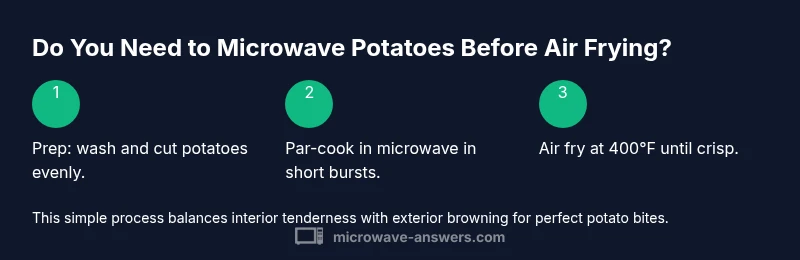
Do you need to microwave potatoes before air frying? Not necessarily, but microwaving can speed cooking and yield a lighter, fluffier interior with a crisp exterior. For best results, cut potatoes evenly, microwave in short bursts (2–4 minutes per batch depending on size), pat dry, then finish in the air fryer at about 400°F until crispy and tender, usually 8–15 minutes.
Why the question matters
For home cooks, the choice to microwave potatoes before air frying can influence time, texture, and even cooking reliability. According to Microwave Answers, understanding how moisture, starch, and heat interact in potatoes helps you predict results without chasing guesswork. Potatoes are mostly starch and water; microwaving gently preheats the interior, softening starch granules so air frying can finish with a crisp exterior. This matters whether you're preparing a quick weeknight side or batch-cooking for a crowd. The goal is a potato with a fluffy center and a golden crust, not a dense, undercooked interior or burnt edges. The decision to microwave should hinge on potato size, cut shape, and your target texture. If you want maximum speed and consistency, a light par-cook in the microwave can save minutes in the hot air fryer. If you prefer hands-off simplicity, you may skip this step and rely on longer air frying times instead. In all cases, starting with clean, dry potatoes and a hot air fryer ensures better adhesion of oil and seasonings, improving browning and flavor.
Do you need to microwave potatoes before air frying?
The short answer is: it depends. The interior texture you want drives the decision. If you’re aiming for a very fluffy interior with a quick exterior crisp, microwaving helps by warming the center first and drying the surface slightly, which improves browning during air frying. If you’re cooking small potato pieces or you don’t mind a longer final fry, you can skip the par-cook. Keep in mind that microwaving adds a step, utilities, and a bit of planning, but it can dramatically reduce total time when you’re feeding a crowd or preparing several pans at once.
Seasoning sticks better to potatoes that have been patted dry after microwaving, and a light oil coating helps browning in the hot air. If you’re new to air frying potatoes, start with microwaving for a short window and compare results with a direct air fry to see which texture you prefer. This approach aligns with practical kitchen math: you trade one preheat step for shorter final cook time or vice versa. The Microwave Answers team recommends testing both methods on a small batch to find your preferred balance of texture and time.
When microwaving helps most
Microwaving shines when you’re working with large potatoes, thick-cut wedges, or russet varieties that resist even cooking. A par-cook minimizes the risk of a cool, starchy center while letting the surface dry enough to brown quickly in the air fryer. If you plan to cook multiple servings or want a consistent outcome across a tray, microwaving first gives you a predictable baseline. Short microwave bursts (about 2–4 minutes per batch) heat the interior without turning the exterior into a soggy mess, especially if you cut potatoes into uniform sizes. For very thin cuts or small new potatoes, you may not need microwaving at all; you can still achieve crispness with careful oiling and proper spacing in the air fryer. Overall, the benefit is flexibility: you can tailor the technique to your potatoes, your equipment, and your schedule.
Prep: choosing, cutting, and drying
Begin with drought-ready, uniform pieces. Russet potatoes yield a fluffy interior, while Yukon Golds deliver a creamier texture. Choose pieces of even size to ensure synchronic cooking. Rinse and scrub the skins if you plan to cook with skin on; skin adds texture and nutrients when crisped properly. Pat the slices dry thoroughly before microwaving or air frying. Excess surface moisture turns to steam, which can hinder browning. After washing and drying, decide whether to par-cook in the microwave. If you’re unsure, start with a shorter microwave window and adjust in future batches. Finally, have your oil, salt, and seasonings ready to coat the potatoes lightly for even browning.
Step-by-step outline at a glance
A quick overview of the workflow helps plan your timing. First, prep your potatoes by washing and cutting into evenly sized pieces. Next, par-cook in the microwave in short bursts. After microwaving, pat dry and toss with a light coat of oil and seasonings. Then air fry in a single layer until the outer surface browns and the interior reaches your preferred tenderness. Shake or flip halfway to promote even browning. Finally, rest for a few minutes to let the starches settle, which helps maintain crispness when you serve.
Safety tips and common mistakes
Use oven mitts when handling hot microwave dishes and air fryer baskets. Avoid overcrowding the air fryer; air needs to circulate to crisp surfaces. Do not over-microwave, as this can dry out the interior and make the exterior overly dry or leathery. Pat potatoes dry after microwaving to maximize browning, and don’t skip the pat-dry step even if you’re in a rush. If you notice steam buildup inside the microwave, cover with a microwave-safe vented lid to release steam safely. Finally, start with a small test batch if you’re new to the method; it’s easier to adjust batch size than to salvage a large tray.
Alternative methods and texture outcomes
If you skip microwaving, expect a longer final cook time in the air fryer, especially for larger pieces. The texture tends to be more variable: some bites may be perfectly crisp, while others remain a touch chewy. Par-cooking can standardize results and reduce the need for multiple batches. The trade-off is an extra step and a little more planning. Another option is to partially boil potatoes on the stove before air frying; this yields a similarly fluffy interior with a crisp exterior, though it requires more equipment and attention. Experimentation with cuts, oil amounts, and air-fryer temperatures will help you land on a preferred method.
Authority sources and further reading
For safety and cooking guidelines, you can consult official sources such as government and educational sites. These provide fundamentals on safe cooking temperatures and handling. For practical tips specifically about potatoes and quick cooking methods, you can explore reputable culinary resources linked below. Always verify cooking times based on your own appliance and potato variety.
Flavor boosters and serving ideas
Finish with fresh herbs, a squeeze of lemon, or a dusting of paprika to elevate the flavor of crispy potato wedges. Serve alongside dipping sauces like garlic aioli, sour cream, or a tangy yogurt dip. If you’re roasting multiple vegetables, a light seasoning that carries across items helps unify the plate. For meal-prep, air-fried potatoes store well in a sealed container for up to 3 days; reheat briefly in the air fryer to regain crispness.
Quick references
- For reliable safety information: see official gov/edu sources linked in the Authority section.
- For texture goals, experiment with different cut sizes (1.5–2 inch wedges vs. 1 inch cubes).
- For flavor customization, mix in herbs and spices before air frying and adjust salt after tasting.
Tools & Materials
- Potatoes (russet or Yukon Gold)(Choose medium to large sizes with uniform shape)
- Microwave-safe dish or plate(For par-cooking; ensure it can withstand heat)
- Kitchen knife and cutting board(For even cuts (wedges or cubes))
- Paper towels or clean kitchen towel(Pat dry after microwaving)
- Olive oil or high-heat cooking oil(Light coating (about 1 teaspoon per 8 oz potatoes))
- Salt, pepper, and optional spices(Season to taste after microwaving)
- Air fryer or convection oven(Single-layer basket for even browning)
- Tongs or spatula(Safe handling of hot pieces)
- Measuring spoons (optional)(For precise seasoning)
Steps
Estimated time: Total time: 25-40 minutes
- 1
Prep the potatoes
Wash the potatoes thoroughly and pat them dry. Cut into evenly sized wedges or cubes to ensure uniform cooking. The goal is predictable heat distribution so the interior and exterior cook at the same rate.
Tip: Trim any dark patches and consider a brief soak in cold water (10 minutes) to remove surface starch for crisper edges. - 2
Microwave the pieces
Arrange the cut potatoes in a single layer on a microwave-safe dish. Cover loosely to trap steam and microwave in short bursts (2–4 minutes per batch) based on size. Check tenderness with a fork; you want a slight give, not fully cooked through.
Tip: If pieces vary in size, microwave the larger ones a bit longer than the smaller ones to even things out. - 3
Pat dry and season
Carefully remove the dish; pat the potatoes dry with a towel to remove surface moisture. Toss with a small amount of oil and your chosen seasonings to promote browning and flavor.
Tip: Dry surfaces better accept oil and spices, which helps achieve a crisp crust in the air fryer. - 4
Air-fry in a single layer
Spread the pieces in a single layer in the air fryer basket. Cook at 400°F (200°C) for 8–15 minutes, flipping or shaking halfway through for even browning. Times vary with size and model.
Tip: Avoid overcrowding; use batches if needed to maintain airflow and crispiness. - 5
Check doneness and rest
Test a piece for tenderness and a gold-brown exterior. If needed, cook a few more minutes in 2–3 minute increments. Let the potatoes rest a couple minutes after removing from heat to finish crisping.
Tip: Resting helps the surface moisture migrate outward and re-crisp once plated. - 6
Serve and adjust
Season lightly after cooking if needed and serve with dipping sauces or herbs. Use leftovers within 2–3 days, reheating briefly to regain crunch.
Tip: Reheating in the air fryer refreshes texture better than a microwave.
Common Questions
Do microwaving potatoes affect texture?
Yes. Microwaving tenderizes the interior and reduces moisture, which helps the exterior crisp more efficiently during air frying. Without microwaving, you may get a chewier interior, especially with larger pieces.
Microwaving softens the inside, making it crisper on the outside when you air fry.
What size of potato works best?
Medium to large potatoes cut into evenly sized wedges or cubes are ideal. Smaller pieces cook quickly and can skip microwaving, while larger cuts often benefit from a par-cook.
Medium to large pieces work best; cut evenly for uniform cooking.
Can I skip microwaving for small potatoes?
Yes, you can skip microwaving if you’re using small potatoes or thin cuts. Increase air-fry time slightly and monitor for doneness to avoid overcooking.
Skip microwaving if your pieces are small; just watch the time.
Is it safe to microwave potatoes with skin?
Potatoes with skin can be microwaved safely as part of the par-cook. Scrub them well, cut as needed, and ensure they’re dry before air frying to promote browning.
You can microwave with skin on; just scrub well and pat dry afterward.
How should I store leftovers?
Store cooled leftovers in an airtight container in the refrigerator for up to 3 days. Reheat in the air fryer for a quick crisp, or re-crisp on a sheet pan in the oven.
Store in the fridge up to 3 days; re-crisp in the air fryer.
Watch Video
Main Points
- Microwaving can reduce total cook time.
- Uniform cuts promote even texture.
- Pat dry before air frying for best browning.
- Shake or flip halfway for even crispness.