How to Get Rid of Burnt Microwave Smell in House
Learn practical, step-by-step methods to remove burnt microwave odors from your home. Ventilate, clean, deodorize, and prevent future smells with safe, proven techniques for busy homes.


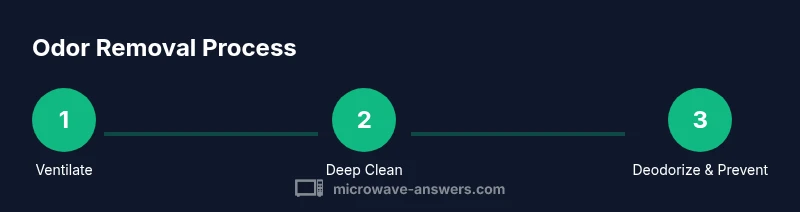
To get rid of burnt microwave smell in house, start with quick ventilation and safety checks, then clean the microwave interior and nearby surfaces, and apply natural deodorizers. Finish with preventive habits to prevent recurrence, such as covering food, regular cleanings, and using the microwave properly. Act promptly after the incident for best results.
What Causes Burnt Microwave Smell and Why It Sticks
Burnt microwave odors aren’t just a quick whiff you can wave away with air freshener. When food burns inside a microwave, it releases volatile compounds that cling to interior surfaces, the turntable, and even nearby fabrics and cabinetry. The smell can also travel through vents and cabinets if it’s not addressed quickly. According to Microwave Answers, the most effective approach combines thorough cleaning with odor absorption and ongoing prevention. Understanding that odors are often embedded in porous materials helps you target the right spots instead of chasing a vanishing scent around the kitchen. In practice, you’ll tackle the appliance itself, the room containing it, and any surfaces that may have absorbed the aroma. By treating each layer, you reduce the chances of a stubborn return and create a more comfortable home environment for cooking and living.
If you’re dealing with a lingering burnt smell, start by acknowledging that the source is not only the microwave cavity but also potentially the surrounding area. Odors can deposit on curtains, cushions, placemats, and even walls over time. Knowing this helps structure your approach: ventilate, clean, deodorize, and then maintain good habits to keep the scent away. This phased method is practical for most households and avoids overdoing any single step, which can cause residual smells to intensify rather than dissipate.
Quick Ventilation and Safety Prep
Before you begin cleaning, ensure the area is safe and well-ventilated. If you smell smoke or see any signs of damage, turn off and unplug the microwave, extinguish any small flames, and move to a safer area if needed. Open multiple windows and doors to create a cross-breeze, and turn on any ceiling or portable fans to push the odor outside. Ventilation helps the volatile compounds disperse, making subsequent cleaning more effective. If the incident involved a strong or prolonged burn, consider leaving a fan running for a longer period after you finish cleaning to carry odors away from living spaces. Safety first means avoiding inhalation of smoke residues and avoiding attempting repairs yourself if you notice melted plastic, exposed wiring, or other obvious damage inside the unit.
As you ventilate, take a moment to inspect the microwave exterior and the nearby counter areas for obvious signs of splatter or residue. This quick scan lets you plan which surfaces to wipe down and whether you need additional cleaning solutions or tools.
Deep-Cleaning the Microwave Interior Thoroughly
A clean cavity is the most reliable way to remove burnt smell. Start by unplugging the microwave and removing the turntable and any removable parts. Wash metal or glass components with warm soapy water, rinse well, and set aside to dry. For the interior walls, mix a gentle cleaning solution using dish soap and warm water, then scrub with a soft sponge. If odors persist, create a baking soda paste by mixing baking soda with a small amount of water and apply it to interior surfaces, letting it sit for 5–10 minutes before wiping away. For a deeper cleanse, wipe with a solution of equal parts white vinegar and water, then rinse with a fresh cloth. Finally, wipe dry with a microfiber cloth before reassembling. This multi-step cleaning removes both surface grime and embedded residues that contribute to lingering smells.
During cleaning, avoid using abrasive pads that can scratch the interior coating, and never submerge the microwave base or control panel. If the door seal looks cracked or worn, note that as a potential source of ongoing odor infiltration and consider professional inspection if needed.
Deodorizing the Room and Surfaces Around the Kitchen
After you’ve cleaned the microwave, it’s time to tackle the broader environment. Place open bowls of baking soda or activated charcoal in the kitchen and adjacent rooms to absorb remaining odors. Coffee grounds or citrus peels can also help, though they require more frequent replacement. Wipe down countertops, cabinet faces, and the backsplash with a vinegar-water solution to neutralize any splashes. Launder nearby fabrics like placemats, oven mitts, and tea towels that may have absorbed the scent. If a curtain or upholstery smells faintly of burnt food, consider a light fabric-safe deodorizing spray or professional cleaning for deeper fabrics. Regularly airing out these spaces supports long-term odor control and creates a noticeably fresher living environment.
If you have pets or small children, ensure that any odor-absorbing materials remain out of reach and replace absorbers as needed. The goal is to reduce airborne particles and surface residues that can re-contaminate the air.
Safe Deodorizing Recipes and Product-Tair Methods
You don’t have to rely on harsh chemicals to neutralize burnt odors. Simple kitchen staples can be highly effective when used correctly. A steam deodorizing technique uses a microwave-safe bowl filled with water and a splash of white vinegar or a few lemon slices. Heat on high for 3–5 minutes to generate steam that loosens stuck-on residue and freshens the interior without harsh fumes. For the room, sprinkle baking soda in shallow bowls or open containers at a few strategic points to absorb odors, and place a few activated charcoal bags around the kitchen. If you prefer ready-made solutions, choose fragrance-free deodorizing sprays or cleaners designed for kitchens and avoid masking scents with heavy perfumes, which can mix with burnt odors and create an even more unpleasant aroma.
Finally, ensure you ventilate again after using any odor absorbers to let them work without overwhelming the living space. A combination of steam treatment and absorption methods tends to deliver the best results without requiring professional equipment.
Preventing Future Odors: Habits That Keep Your Microwave Fresh
Prevention is simpler than repeated cleanup. First, always cover foods before microwaving, especially items prone to splatter. Use the recommended power and time settings, and avoid overheating foods, which is a common source of burnt smells. Clean the interior after each use with a quick wipe-down on a damp cloth. Keep the exterior free of splatters that can form a stubborn film on the door and seal. Regularly check the turntable and replace any cracked components promptly. If you reuse a microwave often for meals with strong odors, consider looping in a quick deodorizing routine weekly. Consistency is key to long-term odor control.
As you implement maintenance habits, you’ll likely notice fewer odors and a more pleasant kitchen environment after cooking.
When to Call a Professional or Consider Replacement
If the burnt smell persists after deep cleaning and deodorizing, it may indicate hidden residue in vents or more serious damage to the magnetron or insulation. In such cases, consider scheduling a professional appliance technician inspection. A fix could be as simple as replacing a damaged seal or as involved as servicing internal components. If the unit is older or repeatedly developing odors after cleaning, weigh the cost of repair against replacement. A newer model with better ventilation and odor control can improve kitchen air quality and reduce future cleaning time. In all cases, don’t ignore persistent odors that return after cleaning; they are a signal to evaluate the appliance’s integrity and safety.
Tools & Materials
- Ventilation source (open window or exhaust fan)(Create cross-ventilation for at least 15-30 minutes.)
- Mild dish soap(For washing microwave interior and surfaces.)
- Baking soda(Make a paste for interior cleaning and sprinkle in rooms to absorb odors.)
- White vinegar(Dilute to clean surfaces and neutralize smells.)
- Activated charcoal(Place in rooms to absorb lingering odors (in open bowls).)
- Microfiber cloths(For wiping and drying surfaces.)
- Soft sponge(Gentle cleaning without scratching.)
- Two small bowls(Mixing and soaking solutions.)
- Gloves(Protect hands during cleaning.)
Steps
Estimated time: 60-75 minutes
- 1
Ventilate and assess
Open windows and turn on fans to push odor outside. Check the microwave for visible damage and ensure there is no active smoke. If the room remains smoky, wait until it clears before continuing.
Tip: Ventilation is the fastest way to reduce odor before deep cleaning. - 2
Unplug and cool the microwave
Unplug the unit and allow it to cool completely before handling. Remove the turntable and any detachable parts for separate cleaning. Wear gloves to protect against sharp edges.
Tip: Cooling prevents accidental burns and protects cleaning tools from heat damage. - 3
Remove loose debris
Wipe the interior with a dry microfiber cloth to remove ash and loose residue. Avoid metal tools that could scratch the cavity.
Tip: Dry wiping first helps minimize splatter when you wash with soap later. - 4
Clean with soap and baking soda paste
Wash interior surfaces with warm soapy water using a soft sponge. For tough spots, apply a baking soda paste, let it sit 5–10 minutes, then scrub and rinse.
Tip: Let paste sit briefly to break down burnt residue without scratching. - 5
Deodorize with vinegar steam
Fill a microwave-safe bowl with water and a splash of white vinegar or a few lemon slices. Heat on high for 3–5 minutes to generate steam that lifts odors, then wipe clean.
Tip: Always use liquid in the bowl; never run empty with vinegar as the sole load. - 6
Absorb odors in the room
Place bowls of baking soda or activated charcoal in the kitchen and nearby rooms to capture lingering smell. Replace absorbers as needed until the odor fades.
Tip: Position absorbers away from direct heat or sunlight for best performance. - 7
Prevent recurrence
Cover foods, use appropriate microwave settings, and clean the interior after meals that could cause splatter. Establish a quick weekly wipe-down routine to maintain freshness.
Tip: Setting a calendar reminder helps maintain odor control consistency.
Common Questions
Why does burnt microwave smell linger after cleaning?
Burnt odors can cling to porous surfaces, fabrics, and vent ducts. Deep cleaning and ongoing deodorization address embedded residues that cause lingering smells.
Odors hide in porous surfaces and vents; a thorough cleanup plus ongoing deodorizing helps.
Can running the microwave with water and lemon help deodorize?
Yes. Steam helps lift embedded odors. Use a bowl of water with a few lemon slices or a splash of vinegar and heat for a few minutes.
Steam from water and lemon or vinegar helps freshen the cavity.
Is it safe to use vinegar or baking soda in the microwave?
Yes, in small amounts, provided you rinse well afterward. Avoid strong fumes and always wipe the interior after steaming.
Vinegar and baking soda are generally safe if used in moderation and rinsed away.
What about using air fresheners?
Air fresheners can mask odor but may mix with burnt residues. Deodorize with absorption methods and cleaning for a more lasting result.
Air fresheners mask smells; stick to cleaning and deodorizing instead.
When should I replace microwave parts due to odor?
If odor persists after deep cleaning or there’s visible damage to seals or the interior, professional service or replacement may be needed.
Persistent odor after cleaning may require professional service.
How long should I ventilate after burning incident?
Aim for 15–30 minutes of cross-ventilation, longer if the odor remains strong.
Ventilate for 15–30 minutes or longer if the smell sticks around.
Watch Video
Main Points
- Ventilate immediately after burning smells start.
- Clean the microwave interior thoroughly to remove residues.
- Use baking soda and activated charcoal to absorb odors.
- Implement preventive habits to keep odors from returning.