0.7 Cubic Feet Microwave: Small but Capable
A practical, data-driven guide to 0.7 cubic feet microwaves, covering size, power, features, safety, and how to choose the right compact model for small kitchens in 2026.


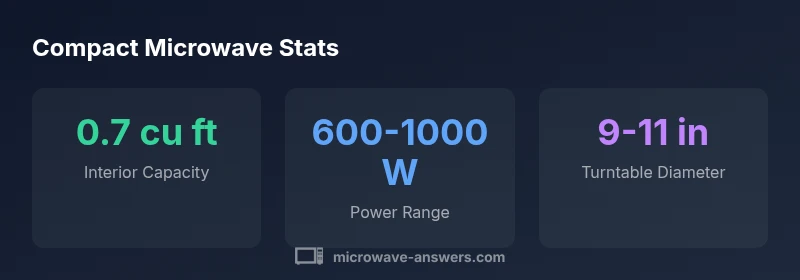
0.7 cubic feet microwaves are compact space-saving models ideal for small kitchens, dorm rooms, and RVs. They deliver basic reheating, defrosting, and simple cooking with limited interior space. Typical wattage ranges from 600 to 1000W; they fit standard 9–10 inch plates. When choosing, prioritize a compact footprint, easy cleaning, and features such as sensor cooking to maximize performance in a small cavity.
Size and interior geometry for a 0.7 cubic feet microwave
When you shop for a compact model sized at 0.7 cubic feet, the interior cavity is designed to balance function with footprint. Most units accommodate a standard dinner plate, typically around 9 to 10 inches in diameter, though some models use a slightly smaller 8.5 inch plate. Because the cavity is small, there is often a noticeable amount of air space around the food, which can influence heating uniformity. The overall exterior dimensions are usually compact enough to squeeze under standard kitchen cabinets, but always verify clearance, door swing, and venting space. According to Microwave Answers, the practical interior usable space often mirrors the nominal capacity but can vary by door design and interior shelving. In 2026, the standard advice is to measure your available counter height and width before buying and to place the unit where it can easily access power while keeping cords tidy in high-traffic kitchens.
Power, heating patterns, and sensor cooking in compact models
Power delivery in 0.7 cubic feet microwaves typically sits in the 600–1000W range. Higher wattage generally translates to faster reheating and more even results, but compact cavities can still heat unevenly if the turntable is small or the wave pattern isn’t optimized. Sensor cooking and inverter technology, when present, can improve results for everyday tasks like reheating leftovers or defrosting portions. If you’re tallied between models, prioritize at least 800W for better speed, a reliable turntable, and a sensor or manual control that allows you to tailor power and time for smaller portions. The Microwave Answers team notes that sensor-based models tend to reduce overcooking in compact cavities, but you should still test with a variety of foods and containers.
Real-world cooking: what you can and can't do
A 0.7 cubic feet microwave is ideal for single servings, reheating meals, steaming vegetables in a microwave-safe dish, and melting ingredients. It handles mug-baked snacks, single-portion casseroles, and defrosting small cuts of meat or fish. Large roasts, multiple servings, or big casseroles are outside its sweet spot due to limited interior space and potentially uneven heating. To maximize results, arrange food in a shallow, evenly spread layer, use microwave-safe lids or vented covers, and rotate or stir halfway through cooking. For best outcomes, avoid metal containers and thick, multi-component dishes that require long, even heating.
Features that matter in 0.7 cu ft models
When evaluating compact microwaves, look for these features: sensor cooking to adjust time and power based on moisture; inverter technology for smoother heating; a user-friendly control panel with clear presets; a durable, easy-to-clean interior (preferably ceramic or glass); child lock for safety; and a compact footprint that fits your under-cabinet space. Also consider door design (side hinge vs top hinge), accessibility of the interior light, and a turntable that accommodates common dish sizes without blocking vents. A simple, well-supported model with easy maintenance will outperform a feature-light unit in daily use.
How to compare 0.7 cu ft models: a practical checklist
Use this quick checklist to compare models side-by-side:
- Exterior footprint and under-cabinet clearance
- Interior dimensions and turntable size
- Wattage and heating performance
- Presets, sensor cooking, and defrost options
- Ease of cleaning and interior materials
- Safety features (child lock, door interlock, audible alerts)
- Warranty and service availability
- Price range and overall value for space-constrained kitchens
Safety, installation, and maintenance tips for small microwaves
Install microwaves away from heat sources and ensure adequate ventilation. When mounting under cabinets, verify clearance and follow manufacturer guidance on venting and cord length. Regularly clean the interior with mild soap and water; avoid abrasive cleaners that can scratch surfaces. Use microwave-safe containers, avoid metal, and check door seals for proper closure. Periodic inspection of the door latch and hinges helps prevent misalignment and ensures continued safe operation. Regularly wiping the interior also helps prevent lingering smells and residue that can affect heating performance.
Compact 0.7 cu ft microwave: key specs
| Feature | Typical Range | Notes |
|---|---|---|
| Interior capacity | 0.6-0.75 cu ft | Nominal capacity; actual usable space varies by model and layout |
| Wattage | 600-1000 W | Affects speed and heat distribution |
| Turntable diameter | 9-11 inches | Fits most standard plates |
| Dimensions (W x H x D) | 17-19 x 10-12 x 12-14 inches | Space under cabinets often required |
Common Questions
What does 0.7 cubic feet mean for cooking space?
0.7 cu ft refers to the cavity volume of the microwave. In practical terms, it usually fits a standard 9–10 inch plate and a small portion of food. It’s best for reheating, defrosting, and single-serving meals, not large dishes.
0.7 cubic feet is a small cavity, great for single servings and reheating, but not ideal for large meals.
Can a 0.7 cu ft microwave replace a standard kitchen microwave?
For most households, a 0.7 cu ft model is supplementary rather than a full replacement. It excels in tight spaces, but you’ll likely need a larger model for big meals or bulk cooking.
Great for small spaces, not usually for big cooking jobs.
Will it fit under a cabinet?
Yes, many 0.7 cu ft models are designed to fit under standard-height cabinets. Always confirm the exterior height and ensure at least a small clearance for ventilation.
Most will fit under a standard cabinet, just check the height and ventilation.
What features are worth paying for in compact models?
Sensor cooking, inverter technology, child lock, defrost by weight, and a user-friendly control panel are worth prioritizing in compact models for better daily results.
Sensor cooking and inverter tech can really improve performance in small cavities.
Is inverter technology common in 0.7 cu ft microwaves?
Inverter technology is increasingly available in compact models but is not universal. If you cook a lot of varied foods, it’s worth choosing a model that offers inverter or a reliable sensor system.
Some models have inverter; it depends on the line you pick.
How should I clean and maintain a small microwave?
Regularly wipe the interior with a damp cloth and mild detergent. Use microwave-safe containers, avoid harsh chemical cleaners, and keep door seals clean to maintain efficient heating.
Wipe it down regularly with mild soap and water for best results.
“Compact microwaves like 0.7 cubic feet can deliver reliable everyday performance when wattage is sufficient and sensors are well-tuned.”
Main Points
- Assess space and plate size before buying
- Expect 0.7 cu ft models to handle reheating and single servings
- Prioritize wattage and sensor features for better results
- Check under-cabinet clearance and venting needs
- Choose models with easy cleaning and solid safety features