What to Use in Microwave: Safe Materials Guide
A thorough, practical guide explaining which containers and materials are microwave-safe, how to test them, and best practices for safe reheating in everyday cooking. Learn from Microwave Answers how to avoid sparks, leaks, and unsafe leaching.


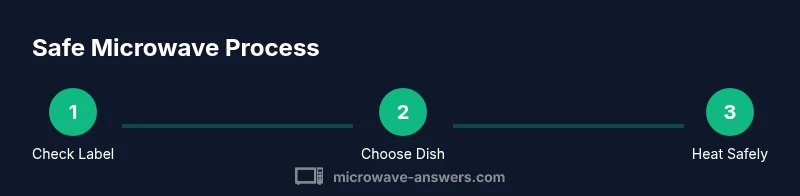
You should use microwave-safe materials only, mainly glass, ceramic, heat-safe silicone, and certain plastics labeled microwave-safe. Avoid metal, aluminum foil, and porous metals, which can spark. Check the container’s label and manufacturer guidance; when in doubt, test with a small dish and monitor for heat, warping, or unusual odors. The goal is safe heating with even results.
What qualifies as microwave-safe material
In microwaving, safety starts with the container. According to Microwave Answers, materials used in the microwave should be non-reactive, stable under heat, and free of materials that can leach chemicals or warp. The safest choices are glass and ceramic dishes labeled microwave-safe, and heat-safe silicone containers. Plain, smooth plastics labeled microwave-safe are usually acceptable for reheating liquid and soft foods, but avoid thin takeout tubs and containers with recycled plastic marks. Metal and some foil will spark and can damage the oven, so they should be avoided. Paper plates can be used briefly if labeled microwave-safe and free of designs with metallic ink, but they may become soggy or disintegrate with long heating. Always check the label; if a container lacks a clear microwave-safe endorsement, play it safe and transfer the food to a known-safe dish. When in doubt, test with a small amount of water and observe for unusual noises, smoke, or deformation.
Safe materials: glass, ceramic, and silicone
Glass and ceramic are usually best for reheating real meals. Look for dishes with a smooth glaze that covers the entire base and sides, free from cracks. Some ceramic pieces can be heavy but handle heat well, while others may have decorative metallic paint that should not go in the microwave. Silicone is versatile and heat tolerant, often used for lids and collapsible containers. When choosing silicone, verify that the product is labeled microwave-safe and free from fillers that could heat unevenly. For plastics, prioritize items labeled microwave-safe and avoid containers that show warping after brief heating. By sticking to these materials, you minimize chemical transfer and heat shocks.
Plastics: labeling, limits, and safe options
Plastics labeled microwave-safe are designed to withstand short heat. Avoid containers that are old, scratched, or have a cloudy appearance. Do not heat fatty foods in thin plastics that seem flexible, and never heat containers with recycled resin codes that you cannot confirm as safe. BPA free is a common feature, but not a universal guarantee; if you are unsure, transfer to glass or ceramic. When using plastic wrap, leave a vent open and ensure it does not touch the food. Always read the care label before heating.
Paper products and parchment: when and when not
Paper towels and plates can be used for short reheat cycles, but avoid printed designs, dye coatings, or decorative napkins that might shed ink into food. Parchment paper is a better option for shielding food while allowing heat to pass. Do not reuse paper products from restaurants that may have been exposed to oily residues or grease that could ignite. If in doubt, test a small amount first and monitor for smoke or unusual heat.
Metals and metal-trimmed containers: sparks and arcing
Metal and aluminum foil reflect microwaves and can cause arcing, pitting the interior and possibly starting a fire. Do not use metal cookware, metal lids, or dishes with metallic trim. If you must heat something with metal, remove any metal parts or wrap only with microwave safe parchment. It is especially risky to place foil too closely to the walls of the microwave. When metal is involved, always err on the side of caution.
Testing a new container safely
A quick test helps ensure safety. Place a small amount of water in the container and heat on a low setting for a short time. If the container or its lid becomes excessively hot or if you see any deformation, stop and discard. Let the water cool before reusing the container to avoid burns. If the result is safe, you can proceed to heat a small portion of food and monitor for changes in temperature and texture.
Everyday tips for safer microwaving
Stir food midway through heating to promote even warmth and prevent cold spots. Cover dishes with a microwave-safe lid or vented parchment to keep moisture in. Avoid overheating eggs, whole potatoes, or foods with dense shells, which can explode or heat unevenly. After heating, let food rest for a moment to finish cooking through residual heat. Clean your microwave regularly to remove grease that can absorb heat unevenly.
Common mistakes and quick fixes
Common mistakes include using old takeout containers, heating fatty foods in thin plastics, and skipping labeling checks. Quick fixes are transferring to a safe dish, using parchment paper for splatter control, and avoiding metal. If items heat unevenly, pause and rearrange or stir, then continue heating in short bursts. With the right containers, microwave safety becomes routine rather than a chore.
Tools & Materials
- Microwave-safe glass or ceramic containers(Choose containers labeled microwave-safe; avoid thin glass and chipped borders.)
- Microwave-safe silicone lids or wraps(Use to cover food and trap steam for even heating.)
- Paper towels or parchment paper(Use parchment to line dishes; avoid printed or scented papers.)
- Silicone spatula or wooden spoon(Stir or turn food safely without microwaving utensils.)
- Manufacturer guidelines or original packaging(Always verify guidance on the container.)
Steps
Estimated time: 15-25 minutes
- 1
Identify microwave-safe containers
Begin by inspecting every container for a clear microwave-safe label. If in doubt, transfer food to a known microwave-safe dish before heating.
Tip: When unsure, err on safety and avoid heating in questionable containers. - 2
Choose glass, ceramic, or silicone
Prefer glass or ceramic for most foods. Silicone is good for lids and some flexible containers, but ensure it’s labeled microwave-safe.
Tip: Avoid decorative ceramics with metallic paint. - 3
Avoid metal and foil
Metal and foil can cause arcing, sparking, and damage. Do not use metal-trimmed dishes or utensils in microwaves.
Tip: If you must heat something with metal, remove metal parts or wrap with microwave-safe parchment. - 4
Prepare the food and cover
Spread food evenly in the dish and cover with a microwave-safe lid or parchment to retain moisture and prevent splatter.
Tip: Vent lids slightly to allow steam to escape. - 5
Heat in short intervals and stir
Heat in short bursts (30–60 seconds depending on quantity), then stir or rotate to promote even heating.
Tip: Stirring helps avoid cold spots that can harbor bacteria. - 6
Test the temperature and rest
After heating, let food stand for a minute or two and check the temperature throughout; reheat if needed.
Tip: Some foods heat unevenly; rest time helps temperature equalize. - 7
Cool, store, or reheat safely
Cool excess foods promptly in microwave-safe containers, seal, and refrigerate; do not reuse questionable containers.
Tip: Label leftovers with date to track safety. - 8
Clean and inspect containers
Rinse and dry containers; inspect for cracks or wear that could fail in heat, and replace damaged items.
Tip: Regularly replace worn-out plastic containers.
Common Questions
What foods or containers should I avoid in the microwave due to material safety?
Avoid metal containers, aluminum foil, and any dish with metallic trim. Also skip containers not labeled microwave-safe, as they may leak chemicals or fail under heat.
Avoid metal and non microwave-safe containers. If unsure, use a microwave-safe dish.
Are all plastics safe for microwaving?
Not all plastics are safe. Use plastics labeled microwave-safe and avoid old takeout tubs or containers that may warp or warp and leak chemicals.
Only plastics labeled microwave-safe should be used; avoid unknown plastics.
How can I test a new container for safety before using it?
Fill the container with water and microwave for a short interval. If the container deforms or heats abnormally, stop and discard.
Test in a small amount of water to check for heat and deformation.
Can I heat takeout containers in the microwave?
Takeout containers are often not microwave-safe. Check the label; transfer to a microwave-safe dish if in doubt.
Many takeout containers aren’t microwave-safe; check the label first.
What are some safe alternatives if I don’t have microwave-safe containers?
Use microwave-safe glass or ceramic dishes, or heat in a pan on the stove if necessary.
If you don’t have microwave-safe containers, use glass or ceramic dishes or reheat on the stove.
How should I care for containers to ensure safety over time?
Regularly inspect for cracks and wear; replace damaged plastics. Wash with mild detergent and dry thoroughly.
Inspect containers regularly and replace damaged ones; keep them clean.
Watch Video
Main Points
- Always choose microwave-safe materials
- Check labels and manufacturer guidance
- Avoid metal and foil
- Stir and rest for even heating
- Replace damaged containers