Paper Plate Microwave Safety: A Practical How-To for Home Cooks
Learn safe, practical tips for using paper plates in the microwave, including labeling, heating times, and common myths debunked by Microwave Answers.


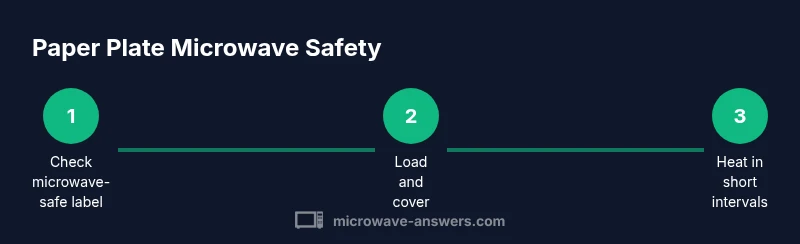
Using paper plates in the microwave is safe when the plate is labeled microwave-safe and used with proper timing and supervision. Avoid metal rims, coated or recycled plates, and high-fat foods that can heat unevenly. Start with lower power, check temperatures, and never run the microwave empty. Always use a vented cover to limit splatter.
What paper plate microwave safety means in practice
When people search for 'paper plate microwave', they want to know what is safe to heat and what isn't. According to Microwave Answers, the core idea is simple: use only plates that are explicitly labeled microwave-safe, and combine them with sensible heating times and supervision. Paper plates can be convenient for quick lunches, but not every plate is created equal. Some have coatings, inks, or recycled fibers that may heat unevenly, warp, or release unwanted byproducts. The key is to verify labeling, avoid metal accents, and watch the clock as you heat. A safe microwave session should involve a labeled plate, a vented cover to control splatter, and a short reheating interval followed by a quick check of temperature. If in doubt, err on the side of caution and choose a ceramic or glass container instead. While the idea of feeding a hungry family quickly is appealing, safety should never take a back seat to speed.
How microwave-safe labeling guides your choice
Labels are your first line of defense. Look for explicit phrases like “microwave-safe” on the plate itself or the packaging. Some plates use a symbol that resembles a microwave, while others simply state the claim in text. If the label is faded or unclear, do not assume safety—contact the manufacturer or opt for a non-paper option. Paper plates vary widely in composition: some are thick pulp with simple printing, others may include coatings or recycled fibers that heat unevenly. When in doubt, choose plates that clearly declare microwave compatibility, and avoid anything with metal ink, foil, or metallic trim. The Microwave Answers team emphasizes checking before every reuse to prevent surprises during busy mornings or quick dinners.
What to look for on the package and plate
Read the packaging for the exact microwave-safe claim, not just a generic “safe for use.” Look for the recommended use guidelines, including maximum heating times and any restrictions (e.g., no greasy foods, no oils above a certain temperature). Inspect the plate for cracks, chipped edges, or wax coatings that could melt or smoke. Some decorative prints may contain inks that heat unevenly or transfer onto food; if you notice unusual odors or discoloration after heating, stop using the plate. Also verify the plate’s thickness; thinner plates tend to bend or warp more quickly under heat. A sturdy, plain white plate with a clear microwave-safe label is usually the safest bet for most meals.
Common mistakes and how they impact safety
Common mistakes include microwaving non-microwave-safe plates, using metal-edged designs, or heating items without any cover. Metal rims can cause arcing and sparks, while coatings might char or release unpleasant fumes. Recycled paper plates may contain embedded staples or adhesives that aren’t food-safe when heated. Another pitfall is overfilling the plate or heating foods with high sugar or fat content in a single pass; this raises the risk of hotspots and scorching. Microwave answers point out that short, monitored heating sessions with a vented cover reduce the chance of damage and ensure more even heating.
Heating guidelines for different foods
Foods with high water content, like soups or stews, heat more evenly than high-fat items, which can melt coatings or cause localized overheating. For rice or pasta dishes, place the plate in the center and cover to trap steam, then stir halfway. For vegetables, a light cover helps retain nutrients without steaming them too aggressively. Avoid heating greasy or sugary sauces on plain paper plates for longer than a minute or two at a time. In general, start with short intervals (30–60 seconds) and check the temperature before continuing. Use the plate only for reheating, not for long cooking, and never rely on color alone to judge safety.
Using a vented cover and why it's important
A vented cover allows steam to escape while keeping splatter contained, reducing mess and preventing soggy food. Covers also help heat distribution by creating a consistent environment around the plate. Choose a cover specifically designed for microwaves or a breathable lid. If you don’t have a vented cover, a paper towel placed loosely over the plate can work in a pinch, but monitor closely to avoid steam burn. Always ensure the cover does not touch the food with metal components and remove it carefully after heating to prevent steam burns.
Temperature checks and rest periods
Relying on time alone can be misleading, so use a food thermometer to confirm safe internal temperatures when reheating proteins or leftovers. If the product requires heating to 165°F (74°C) for safety, measure in the thickest part of the food. Let meals rest for 1–2 minutes after microwaving to allow heat to distribute evenly. Resting also reduces the risk of scorching the plate’s surface or causing hotspots that can burn the reflexively heated mouth. For delicate items like bread or pastries, a shorter rest helps maintain texture without overheating the plate.
Safe handling and disposal after use
When you’re finished, carefully remove the plate with oven mitts or heat-resistant gloves. If the plate shows signs of scorching or warping, discard it rather than reusing it for safety reasons. Do not reuse heavily stained or melted plates, and never attempt to clean a visibly damaged plate as it may release particles into food or cause further heat issues. Dispose of single-use plates in accordance with local waste guidelines. For reusable options, switch to ceramic or glass containers that can be thoroughly washed and inspected for damage.
Common myths explained
Myth 1: All paper plates are microwave-safe. Reality: Only plates explicitly labeled microwave-safe should be heated. Myth 2: Paper plates always heat evenly. Reality: Composition and coatings can cause uneven heating or hotspot formation. Myth 3: Baked-on designs are always food-safe. Reality: Printed inks may heat differently and could transfer onto food under high heat. The goal is to use clearly labeled microwave-safe plates and follow recommended heating times and supervision for safe microwaving.
Authority sources and recommendations
To deepen your understanding, consult official guidelines and food-safety resources. The U.S. FDA provides consumer safety resources related to microwave use, while USDA covers general food safety during reheating. The CDC offers food-safety practices for home kitchens. These sources can supplement practical tips from Microwave Answers and help you make informed decisions about microwave heating with paper plates.
Quick-start safety checklist
- Confirm microwave-safe labeling on the plate.
- Use a vented cover to control splatter.
- Heat in short intervals at 50–70% power, 1–2 minutes at a time.
- Check internal temperature with a thermometer.
- Let food rest 1–2 minutes before serving.
- Discard plates if warped, discolored, or damaged.
Tools & Materials
- Paper plates (uncoated, microwave-safe)(Choose plain white or clearly labeled microwave-safe plates; avoid decorative coatings that may heat unevenly.)
- Microwave-safe lid or vented cover(Prevents splatter and helps heat distribution; ensure it does not touch food with metal parts.)
- Food thermometer(Optional to verify safe internal temperatures, especially for leftovers or proteins.)
- Kitchen timer(Keep heating intervals short and audibly track progress.)
- Heat-resistant oven mitts(Protect hands when handling hot plates after microwaving.)
- Optional parchment paper(Use with caution; avoid direct contact with food if the plate lacks a protective layer.)
- Non-metal utensils(Helpful for stirring or distributing heat without risking sparks.)
Steps
Estimated time: 15-25 minutes
- 1
Check microwave-safe labeling
Inspect the plate for clear microwave-safe labeling. If the plate lacks a label or shows metal components, do not use it in the microwave.
Tip: Metal or foil in any form on a plate is a fire risk; always choose labeled microwave-safe plates. - 2
Prepare the food and plate
Place food in the center, avoid overfilling, and keep it flat to promote even heating. Do not stack multiple foods on a single plate.
Tip: Even distribution minimizes hotspots and reduces the chance of scorching. - 3
Cover and vent
Use a vented lid or a loosely placed paper towel to allow steam to escape while keeping splatter under control.
Tip: A vented cover balances moisture retention with safety. - 4
Set time and power
Start with 50–70% power for 1–2 minutes depending on quantity, then pause to check progress.
Tip: Short intervals prevent overheating and plate distortion. - 5
Pause, rotate, and rest
Pause halfway to rotate the plate for even heating; after heating, let it rest for 1–2 minutes to equalize temperature.
Tip: Rest periods improve texture and reduce hot spots. - 6
Check temperature and finish
Use a thermometer to confirm the food reached a safe temperature; reheat in 30-second increments if necessary.
Tip: Do not guess temperature by appearance alone. - 7
Safe handling and disposal
Carefully remove the plate with oven mitts and discard if warped, scorched, or damaged. Clean up after use.
Tip: Damaged plates can leak or warp under heat; discard safely.
Common Questions
Are all paper plates microwave safe?
No. Only plates clearly labeled as microwave-safe should be heated. If labeling is unclear or absent, avoid microwaving the plate and choose a different container.
Not all paper plates are microwave safe. Only use plates that are clearly labeled for microwave use, and skip any plate with unclear labeling.
Can coated or recycled paper plates be microwaved?
Coated or recycled plates can heat unevenly or release substances into food. Prefer plain, uncoated, microwave-safe plates and follow manufacturer guidelines.
Coated or recycled plates may heat oddly or release substances, so stick to plain microwave-safe plates.
Is there a risk of chemicals leaching from paper plates when heated?
Some inks or coatings can heat differently and may transfer to food. Use only plates labeled as microwave-safe and avoid heavily printed designs.
There can be a risk from inks or coatings, so only microwave-safe, clearly labeled plates should be used.
What signs indicate a plate is unsafe to microwave?
Warping, cracking, discoloration, or unusual smells are red flags. If any appear, discontinue use and replace the plate.
Warping, cracking, or strange smells mean the plate isn't safe to microwave.
How long can I microwave items on a paper plate?
Start with short intervals (30–60 seconds) and add time in small increments, especially for dense foods.
Begin with half a minute to a minute, then add as needed in small steps.
Should I reuse single-use paper plates after microwaving?
If the plate is damaged or stained after heating, discard it. Reusing clean, intact plates is generally acceptable, but avoid reusing if there’s any sign of wear.
If the plate looks damaged or stained after heating, throw it away.
Watch Video
Main Points
- Verify microwave-safe labeling before heating.
- Avoid metal-edged or coated plates in the microwave.
- Use short heating intervals and monitor closely.
- Cover to limit splatter and improve heat distribution.
- Check temperature with a thermometer for safety.