Is popcorn in the microwave good for you? A practical guide
A thorough, data-driven look at microwave popcorn health, comparing air-popped vs bagged options, safety practices, and practical steps for healthier popping at home.


According to Microwave Answers, is microwave popcorn good for you? It depends on preparation. Air-popped kernels with minimal oil or salt form a healthy base, while many packaged microwave bags add calories, saturated fat, and sodium. For a snack that fits a balanced diet, choose plain kernels or light-seasoned options and watch portions.
Is popcorn in the microwave good for you? A health-conscious starting point
Popcorn is a whole grain, fiber-rich snack that can fit into many dietary patterns. When you ask is popcorn in the microwave good for you, the answer depends on how you prepare it. The Microwave Answers team notes that plain kernels popped with minimal oil and salt provide a low-calorie, high-volume option, while popular microwave bags often add fats, sodium, and flavor enhancers. If you want a healthier takeaway, treat microwave popcorn as you would any snack: prioritize portion control, aim for a single serving, and choose plain or lightly seasoned varieties. Remember that the base ingredient—popcorn kernels—offers fiber and potential fullness without a heavy energy load when prepared simply. In short, the method and portion, not the microwave itself, determine the health impact.
Nutritional profile of microwave popcorn vs air-popped popcorn
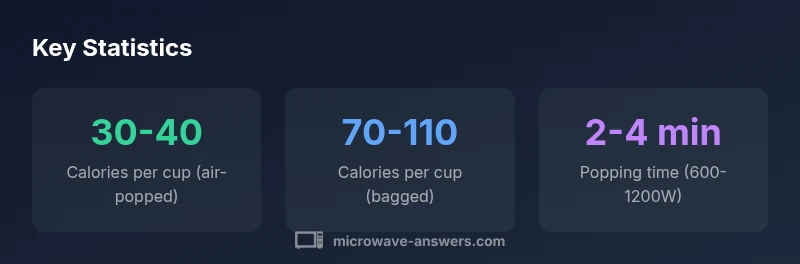
Popcorn is a whole grain that can contribute valuable dietary fiber. Plain air-popped popcorn has far fewer calories per cup than flavored microwave varieties. The fats and flavorings added in many microwave options can significantly raise the energy density. If you’re managing sodium intake, focus on lightly salted or unsalted kernels and avoid butter-flavored or cheese-flavored sachets that introduce additional fatty acids. The goal is to maximize bulk with minimal calories, which helps you feel full without excess energy intake. In addition, consider the serving size—it's easy to overdo popcorn because it’s light and voluminous, so measuring out a reasonable portion is essential.
How flavorings change the nutritional picture
Flavorings, oils, and cheese powders commonly used in microwave popcorn contribute extra calories and sodium. Even “lite” or “light” versions may carry substantial salt or fat. If you crave flavor, experiment with homemade seasonings such as nutritional yeast, paprika, garlic powder, or a sprinkle of cinnamon for something sweet. The key is to adjust flavors without bumping fat and salt beyond your daily targets. This approach preserves the snack’s fiber benefits while keeping energy intake in check.
Air-popped vs microwave bags: a practical comparison
Air-popped popcorn has about the cleanest profile—low fat, moderate fiber, and a neutral base for toppings. Microwave popcorn bags save time but often cost calories from added oils, butter flavors, and salt. If you enjoy microwave bags, portion control is vital. Use only the recommended serving size and skip multiple bags in one sitting. For a healthier compromise, pop plain kernels in a microwave-safe dish with a teaspoon of neutral oil and a pinch of salt, then add your own seasonings.
Microwave safety and best practices
Always use microwave-safe bowls or bags designed for microwave use. Avoid metal and paddles that degrade with heat. Follow the package directions when using bagged popcorn, and listen for the characteristic pops; when the pops slow to 1-2 seconds apart, stop the microwave to prevent burning. Let the popcorn rest briefly before enjoying, and be mindful of steam that can scald. These steps reduce risk and improve the final texture.
Portioning strategies for a healthy snack
A standard serving of popcorn is roughly 3 cups of air-popped popcorn or a single package aligned with the producer’s nutrition label. If you prefer kettle corn or buttered flavors, adjust by cutting back on other high-fat snacks during the day to maintain energy balance. A little planning helps you enjoy popcorn without overdoing calories or sodium.
Myths and safety considerations
Myths such as popcorn being inherently dangerous in microwaves are unfounded when you follow safety practices. Popcorn itself is naturally low in fat and calories, but over-processing or over-seasoning can undermine that advantage. When used correctly, microwave popcorn can be a convenient snack that fits a healthy diet.
Authority sources and reading
For more information on nutrition and safety, refer to official sources and look up the items listed below. These sources provide foundational data on nutrition, labeling, and microwave safety, helping you make informed choices about how you prepare popcorn at home. Reading these can help you translate general guidance into your family’s daily habits.
Nutrition comparison of microwave-friendly popcorn options
| Option | Avg Calories per Cup | Common Additives |
|---|---|---|
| Air-popped (plain) | 30-40 | None |
| Microwave popcorn (bagged) | 70-110 | Oil, salt, flavorings |
| Kernels heated with oil (microwave) | 60-90 | Oil optional |
Common Questions
Is air-popped popcorn healthier than microwave popcorn?
Generally yes. Air-popped popcorn has fewer calories and fat since nothing extra is added. If you choose microwave popcorn, look for plain or lightly seasoned varieties and moderate portions.
Air-popped is usually healthier because there’s no added fat; choose plain varieties if you can.
How much popcorn should I eat in one serving?
A typical serving is about 3 cups of air-popped popcorn. If using microwave bags, follow the package servings and keep track of calories.
Aim for about three cups per serving.
Can microwave popcorn cause health issues due to bag coatings or additives?
Some brands use flavorings and fats that increase calories and sodium. If you have sensitivities, read ingredients and opt for plain or lightly seasoned options.
Check the ingredients and choose plain varieties if you’re concerned.
What is the best microwave setting to pop popcorn?
If your microwave has a popcorn setting, use it. Otherwise start at 2-3 minutes and listen; stop when the pops slow to 1-2 seconds apart.
Listen for the pops and stop when they slow down.
Is microwave popcorn gluten-free?
Most popcorn is gluten-free, but flavorings or cross-contamination can introduce gluten. Check labels if you have celiac disease or gluten sensitivity.
Read labels to ensure gluten-free options.
Does popcorn count as a whole grain?
Yes, popcorn is a whole grain that provides fiber and nutrients when prepared with minimal added fats.
It's a whole grain snack when prepared simply.
“"Popcorn is a whole grain snack, but its healthfulness depends on preparation and portions. Plain, air-popped kernels offer the best balance of fiber and calories."”
Main Points
- Choose plain or lightly seasoned popcorn to minimize calories.
- Portion control matters; popcorn can fit in a balanced diet.
- Air-popped is typically the healthiest baseline.
- Flavorings add fats and sodium; read labels.
- Follow safe microwaving practices to avoid burns.