How to Prevent Microwave Popcorn from Burning
Learn practical, tested methods to stop microwave popcorn from burning, including timing, power settings, and safe handling. A Microwave Answers guide for home cooks seeking crisp, evenly popped kernels.


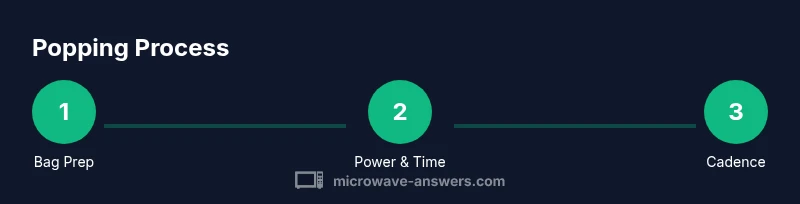
This guide shows how to prevent microwave popcorn from burning by optimizing timing, power, and technique. You'll learn to choose the right bag or method, how to listen for popping cadence, and safe handling practices to reduce burns and smoke. By following these steps, home cooks can enjoy evenly popped kernels without waste, using proven methods from Microwave Answers.
Why preventing microwave popcorn from burning matters
Burnt popcorn is more than an unpleasant smell; it signals wasted kernels, a smoky kitchen, and possible damage to your microwave’s vent and interior. Preventing burning protects your cookware, reduces cleanup time, and keeps your kitchen pleasant. According to Microwave Answers, a calm, well-planned approach to microwave popcorn yields safer results with less waste. This section outlines why popping isn’t just a timing game, but a coordinated set of choices: product selection, power settings, venting, and post-cook handling. By adopting a repeatable routine, you can minimize smoke, avoid soggy or scorched bits, and enjoy a quick snack without the frustration of overcooked popcorn. The goal is consistent, tasty results rather than perfection on every bag, while staying mindful of safety and efficiency in a busy home.
How popcorn pops and why burning happens
Popcorn kernels contain moisture and starch that convert to steam when heated. As the kernel heats, pressure builds and the starch gelatinizes, expanding into the fluffy popcorn we crave. When heat is applied too long, or if moisture escapes too quickly, the outer layer chars and the interior may burn or smoke. Burn risk is higher with older kernels, oversized bags, or microwaves with uneven heating. Understanding this physics helps you tailor time and power, so you’re not guessing at every bag. A practical takeaway from Microwave Answers is that consistent popping cadence matters more than exact minutes, because microwaves vary by model and wattage.
Pick the right popcorn and bag setup
Not all popcorn is created equal for microwave success. Bagged microwave popcorn provides a convenient, pre-measured portion, but some varieties scorch more easily than others. If you choose loose kernels, you’ll need a microwave-safe bowl with a vented lid and careful shaking during cooking. Always follow the bag directions if you’re using pre-packaged popcorn, and check the bag for any signs of damage or moisture intrusion before popping. A stable base reduces the risk of uneven heating and scorching. For best results, keep a few simple rules in mind: use fresh kernels, avoid adding extra oil or toppings that increase smoke points, and avoid attempting to pop kernels in metal or non-microwave-safe containers.
Set power and time: general guidelines
Microwave power and cooking time are not one-size-fits-all. If you’re using a bag, start with the time recommended on the package and use the default power setting. When popping loose kernels or using a bowl, opt for medium power (or 70–80% if your microwave allows) and watch closely for the cadence of pops. The cadence rule is simple: stop when the pops slow to about 2–3 seconds apart. This approach minimizes burning while maximizing popped kernels. Remember: microwaves vary, so use these guidelines as a starting point and adjust for your specific model and batch.
Use the cadence: listening for the pops
A practical skill to prevent burning is learning to listen, not just rely on a timer. Start popping and pay attention to the rate of pops per second. When the interval between pops stretches beyond 2 seconds, it’s time to stop and remove the popcorn. If you hear a surge of smoke or a burnt scent, pause and evaluate immediately. This auditory cue helps you adapt to variations in bag size, kernel quality, and microwave performance. To sharpen this skill, keep a short mental log of how many seconds of pops you typically hear for different bags, then use that as your baseline.
Safe handling after microwaving
When popping is finished, don’t rush to open the bag or bowl. Let it stand for 30–60 seconds to finish cooking with residual heat and to vent steam safely. Open away from your face to avoid steam burns, and transfer the popcorn to a cool bowl for even seasoning. If you notice burnt bits or lingering smoke, turn on the kitchen hood and open windows to ventilate. Dispose of the bag promptly if it shows signs of scorching. Safe handling protects you and your kitchen from lingering odors or potential flare-ups.
Alternatives when burning risk is high
If your microwave consistently burns popcorn, consider alternative methods. A stovetop popper or an air-popper can offer more consistent results with greater control over temperature and time. You can also try smaller bag sizes or popping in shorter bursts with rest periods. These approaches reduce the chance of heat buildup and burning. Remember, your goal is controlled heat, not just more time. By exploring alternatives, you’ll find the technique that suits your microwave, your popcorn brand, and your taste preferences.
Troubleshooting common issues
Common issues include uneven popping, excessive smoke, or a stubborn ring of unpopped kernels around the edges. Solution strategies include adjusting power level, shortening the time, and using a vented cover to control moisture. If you notice a strong burnt odor in the first 15–30 seconds of cooking, pause and recheck your setup. Some microwaves have hot spots, so rotate the bowl or bag halfway through popping if the design permits. Keeping the microwave clean helps as well; lingering food residues can alter heating patterns.
Maintenance and storage for freshness
Store popcorn kernels in a cool, dry place in an airtight container. Moisture is the enemy of popping quality, so keep the pantry sealed and away from heat sources. For popped corn, let leftovers cool completely before storing in an airtight jar to maintain crispness. Periodically inspect kernels for signs of staleness and discard any popcorn that smells off or tastes stale. Regular maintenance reduces the number of discarded kernels from hard-to-pop batches and helps sustain consistent results over time.
Quick tips for different microwave models
Older microwaves may have uneven heating or lower wattage, which affects popping behavior. If your model runs hot or has a single preset bag option, start with a shorter time and a medium power setting, then adjust in small increments. Ensure your microwave has a turntable so the kernels heat evenly; if not, rotate the container manually halfway through. If you have a high-wattage model, you may need to shorten the time further. These model-specific tweaks help you achieve consistent results across different devices.
Practical examples: brand-agnostic routines
Routine A (bagged popcorn on a plate): Place bag on a microwave-safe plate, set to medium power, start with the package time, listen for cadence, and stop when pauses reach 2–3 seconds. Rest 30–60 seconds before opening. Routine B (loose kernels in a bowl): Add a shallow layer of kernels to a microwave-safe bowl with a vented lid, use medium power, and pop in short bursts with rests of 15–30 seconds. Rotate the bowl if your microwave doesn’t heat evenly. Routine C (adjusted for older microwaves): Reduce time by 15–20% from whichever method you choose, and use the cadence rule to determine when to stop.
Final note on safety and enjoyment
Pantry management, safe handling, and a mindful popping cadence are the trifecta of success. By applying the techniques above, you’ll minimize waste, reduce smoke, and enjoy popcorn more reliably. Practice with a few different brands and bag sizes to refine your personal baseline. Remember: the goal is consistent, tasty results with the least risk of burning and smoke.
Summary of best practices
- Always follow bag directions when using pre-packaged popcorn. - Use medium power or 70–80% when popping loose kernels. - Listen for popping cadence and stop at 2–3 seconds between pops. - Let popcorn rest briefly after cooking. - Vent adequately to manage steam and odors.
Tools & Materials
- Microwave-safe plate or shallow bowl(Place under the bag or use as a base to catch kernels)
- Microwave-safe lid or vented cover(Loosely cover to retain steam without trapping pressure)
- Kitchen timer or smartphone timer(Set audible alerts to track popping cadence)
- Oven mitts or heat-resistant gloves(Handle hot bag and dish safely)
- Unopened microwave popcorn bag(Follow package directions; ensure bag is not damaged or expired)
- Ventilation (kitchen hood or window fan)(Use when popping to minimize lingering odors)
Steps
Estimated time: 6-8 minutes
- 1
Check packaging and prep
Read the popcorn bag directions and inspect for damage. If using loose kernels, measure a small, even layer. Ensure your microwave plate is clean and ready. This step reduces surprises and sets expectations for timing.
Tip: Always follow the bag’s safety instructions; these guidelines account for product-specific moisture. - 2
Place bag on plate and orient correctly
Set the bag flat on the plate with the indicated side down. If the bag isn’t labeled, place it seam-side down and smooth to avoid folds. A flat base promotes even heating.
Tip: Flat, non-bunched popcorn heats more uniformly than a crumpled bundle. - 3
Set power and time
If using a bag, start with the package’s time on medium power. For loose kernels, use medium power and pop in shorter bursts if needed. Adjust based on your model’s behavior.
Tip: Medium power reduces risk of scorching compared to full power on many microwaves. - 4
Listen for popping cadence
Begin popping and listen carefully. When the time between pops slows to about 2–3 seconds, stop the microwave and remove the bag or bowl to prevent burning.
Tip: Use a timer, but let your ears be the guide; it adapts to your device. - 5
Handle safely after cooking
Let the popcorn rest for 30–60 seconds to finish steaming. Open away from your face to avoid steam burns, then transfer to a cooled bowl for seasoning.
Tip: Ventilation helps speed up cooling and reduce lingering odors. - 6
Taste, adjust, and reseal
Season lightly at first; add more if needed after a quick shake. If any burnt fragments remain, discard and wash the plate.
Tip: Minimal seasoning often yields better overall flavor if the base is not over-seasoned. - 7
Clean up and store leftovers
Wipe the plate and microwave interior, then store any unpopped kernels in an airtight container away from heat.
Tip: Stale kernels are less likely to pop well; use fresh stock for best results. - 8
Evaluate and adapt for your model
If results vary by batch, note the brand, bag size, and microwave wattage. Use this data to adjust time and power for future pops.
Tip: Small tweaks early on save you from large quantities of burned kernels later.
Common Questions
How can I tell if popcorn is burnt without tasting it?
A burnt batch often shows a strong smoky odor and dark, charred kernels. If you notice smoke or a significant smell before the pops are finished, stop immediately and check. Let the appliance air out before trying again with adjusted time and power.
Watch for smoke or a strong burnt scent; stop and reassess the setup before proceeding.
Can I microwave popcorn without using a bag?
Yes, you can pop loose kernels in a microwave-safe bowl with a vented lid. This method gives you more control over heat and can reduce burning if timing and power are adjusted carefully.
Pop loose kernels in a vented bowl for more control and less risk of burning.
Is burning popcorn a sign my microwave is faulty?
Not necessarily. Most bouts of burning result from timing or power settings, bag size, or kernel freshness. If frequent burning occurs across different products, it may indicate uneven heating in the microwave, and professional service could be considered.
Burning is usually due to settings or batch issues rather than a faulty microwave, but persistent problems deserve a check.
Should I rest popcorn after microwaving?
Resting allows residual heat to finish popping and reduces steam buildup. A 30–60 second rest is typically enough to achieve maximum pop without scorching.
Let it rest briefly to finish popping and to cool safely.
How can I adapt this to different microwave models?
Each microwave differs in wattage and heating pattern. Start with the bag’s time or 70–80% power, then adjust by a minute or less based on the cadence of pops and the color of the kernels.
Start with baseline times and tweak based on how your model heats.
Watch Video
Main Points
- Tune timing and power for reliable results.
- Listen for cadence and stop at 2–3 seconds between pops.
- Use a plate and vented cover to control moisture.
- Rest briefly after cooking to finish popping safely.
- Ventilate and clean up to keep your microwave scent-free.