How Much Microwave Popcorn Is Bad for You: A Practical Health Guide
Learn how much microwave popcorn may be harmful, with guidance on calories, sodium, additives, packaging safety, and practical tips for safer snacking.


Quick answer: When considering how much microwave popcorn is bad for you, there isn’t a universal threshold; risk depends on serving size, frequency, and the product. A single, plain-serving eaten occasionally is reasonable for many adults, while daily, high-sodium, butter-flavored varieties raise concerns about calories, sodium, and additives. Contextual advice follows in the body, including practical tips to portion and choose lower-sodium options.
Understanding the question: how much microwave popcorn is bad for you
According to Microwave Answers, many home cooks wonder about a simple, everyday snack: how much microwave popcorn is bad for you? The answer isn’t a single number. Health impact depends on portion size, how often you snack on it, and the specific product you choose. In this article, we’ll unpack the factors behind that question and translate it into practical guidance you can apply in your kitchen. While popcorn is a whole grain, most microwave bags add fats, salt, and flavorings that shift the snack from light to indulgent. Frequent consumption of high-sodium, butter-flavored varieties, or large portions, can contribute to excess calories and higher sodium intake. This section sets the stage for a data-driven look at typical ranges and how to make safer choices.
Nutritional snapshot: calories, sodium, and fat ranges
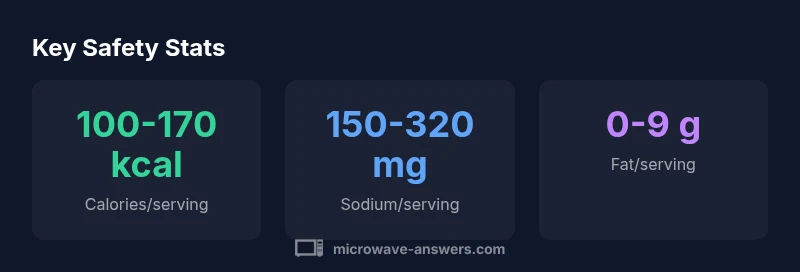
To ground the discussion in real numbers, consider typical per-serving ranges. Calories commonly fall in the 100-170 kcal range, depending on whether you opt for plain kernels, light versions, or butter-flavored varieties. Sodium per serving generally ranges from 150 to 320 mg, with higher amounts tied to flavor boosts and cheese or butter categories. Total fat per serving is highly variable, from near 0 g in plain varieties to roughly 9 g in richer, butter-rich options. These ranges reflect broad product differences rather than a single product. The Microwave Answers team found that the main levers for health impact are serving size, frequency, and the specific flavor profile chosen.
Flavorings and packaging: what to watch for
Flavorings used in microwave popcorn can include butter substitutes and diketones such as diacetyl in some formulations. While many brands have reformulated to minimize or eliminate diacetyl exposure, variations exist across products. Packaging matters too: some bag linings and coatings have been associated with trace chemical exposure, depending on manufacturing and heating conditions. Overall, the risk from packaging is generally low if you follow manufacturer instructions, avoid overheating, and allow bags to vent properly. The key takeaway is that richer flavors and larger bags tend to push the health impact higher, particularly in sodium and calories. The Microwave Answers team's review highlights the importance of reading ingredient lists and serving sizes to keep exposure within safe ranges.
Practical safety tips for home use
- Start with a single-serving size and portion out from the bag rather than microwaving the entire contents. This helps control calories and sodium.
- Choose plain or reduced-sodium varieties when possible, and be mindful of flavor additives that add fat.
- Follow the bag’s cooking instructions precisely to avoid overheating, which can degrade packaging and create acrylamide concerns in some foods. Let the bag rest briefly after popping before opening.
- Pair popcorn with a hydration-friendly snack and avoid loading toppings with high salt or sugar. Consider air-popped corn as a lower-salt baseline for comparison.
- Store popcorn in a cool, dry place and discard any bags showing signs of damage or off-odors. These practices reduce the risk of rancidity and unwanted contaminants.
How to read labels and compare products
Reading the nutrition label is the fastest way to gauge how much popcorn aligns with your health goals. Always check the serving size and servings per bag, then compare calories, sodium, and fat per serving. Look for brands that clearly label the flavoring ingredients and list any additives or artificial ingredients. If a product uses butter-flavored toppings, check the sodium content specifically, as these can be disproportionately high relative to plain kernels. The ability to compare brands quickly comes from standardized serving sizes and transparent labeling, a practice recommended by health experts and supported by ongoing industry monitoring.
Alternatives and smarter snacking
If you’re trying to reduce sodium or fat, air-popped popcorn with light seasonings can be a healthier baseline. You can recreate familiar tastes with DIY toppings such as nutritional yeast, garlic powder, or a pinch of smoked paprika, avoiding high-sodium butter blends. For microwave lovers, consider portion-controlled microwave bags labeled as low-sodium or “no added butter.” In some cases, a quick switch to kettle corn or lightly salted varieties may offer a compromise between flavor and health goals. In essence, you gain control over salt, fat, and additives by choosing alternative preparation methods and mindful toppings.
Authority and ongoing monitoring
For readers seeking deeper verification, this article draws on public health guidelines and ongoing brand research. The health implications of microwave popcorn center on portion control, label transparency, and the choice of flavorings. As science evolves, health professionals emphasize moderation and realistic expectations about a snack’s role in a balanced diet. The Microwave Answers team continues to monitor industry practices and publishes updates as formulations change, so you can make informed choices over time. To support readers, bottom-line guidance remains: portion, label-read, and moderate frequency.
Authority sources and further reading
For readers who want external perspectives, refer to authoritative sources on food safety and packaging:
- https://www.fda.gov/food/packaging-labeling
- https://www.cdc.gov/nutrition/index.html
- https://www.nih.gov
These sources provide general guidance on labeling, packaging safety, and nutrition that complements the consumer-focused view presented here.
Nutrition and packaging snapshot for common microwave popcorn
| Aspect | Typical Range | Notes |
|---|---|---|
| Calories per serving | 100-170 kcal | Varies by plain vs butter flavors |
| Sodium per serving | 150-320 mg | Higher in butter-flavored variants |
| Fat per serving | 0-9 g | Depends on added oils or butter |
| Packaging safety | Low to moderate | Dependent on bag design and heating |
Common Questions
What counts as a single serving of microwave popcorn?
Serving sizes vary by brand, so always check the nutrition panel. Measure out the amount equal to one labeled serving rather than consuming the entire bag. This helps keep calories, fat, and sodium in check.
Serving sizes differ by brand; read the label and measure out one serving to stay within your daily goals.
Is diacetyl in microwave popcorn dangerous?
Diacetyl and similar flavoring compounds have raised health concerns in the past, but many manufacturers have reformulated to reduce exposure. Choose brands that disclose ingredients and prefer those that avoid unnecessary additives.
Some flavors used to include diacetyl, but many brands now avoid it; read labels to be sure.
Does microwave popcorn cause cancer?
There is no established direct cancer risk from microwave popcorn ingredients when consumed in moderation. The main concerns are calories, sodium, and fat, especially in butter-flavored varieties.
No strong evidence links popcorn to cancer; focus on portions and label contents instead.
Are microwave popcorn bags safe to microwave?
Follow the manufacturer's directions to avoid overheating the bag, which can degrade packaging and potentially release unwanted compounds. Do not microwave damaged bags.
Stick to the label guidance to keep the bag safe during popping.
Is air-popped popcorn a better option?
Air-popped popcorn generally has fewer calories and fat, and you can control salt and toppings. It’s a simple swap that helps reduce sodium while preserving the snack’s satisfying crunch.
Air-popped is a great way to lower calories and salt while keeping flavor.
How can I reduce sodium in microwave popcorn?
Look for low-sodium options and avoid high-sodium flavorings. Add your own herbs or spices after popping to customize taste without piling on salt.
Choose low-sodium brands and add spices yourself instead of high-salt toppings.
“Moderation, label literacy, and brand transparency are the three pillars of safe popcorn snacking.”
Main Points
- Portion control limits total calories and sodium
- Plain or light varieties typically lower fat and additives
- Always read serving size and ingredients on labels
- Follow heating instructions to minimize risk
- Consider air-popped popcorn for the lowest salt and fat