Safe Heating Pad in Microwave: A Practical How-To
Learn how to safely heat a heating pad in microwave with practical steps, safety tips, and best practices for home use. Includes labeling checks, temperature testing, and care guidelines to prevent burns and damage.


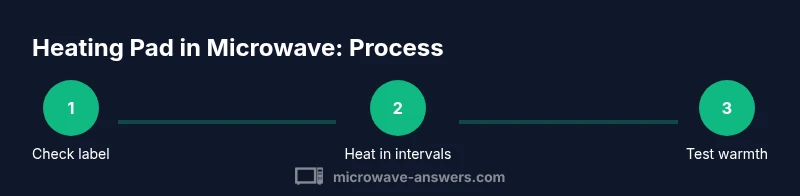
Here's how to safely heat a heating pad in microwave. Start with a microwave-safe pad, read the label, and use the recommended heating time. Check the temperature by testing on your forearm, and never heat damaged or non-microwave-safe pads. This quick guide covers setup, safe timing, and common mistakes to avoid when heating a pad in microwave.
Why heating pads in microwave are popular and risks
Microwave heating pads offer convenient, fast relief for sore muscles and tense areas, especially after a long day of cooking or manual labor. The idea is simple: a pad filled with beads, gel, or natural materials stores heat, and the microwave transfers that warmth to your body. When used correctly, a heating pad in microwave can be a great home therapy tool. However, there are real risks if you ignore safety basics. Damaged pads, pads with metal components, or pads not labeled microwave-safe can overheat, leak heat-retentive contents, or burn skin. Even high-quality pads can cause problems if heated too long or placed directly on bare skin without protection. The Microwave Answers team emphasizes caution: always verify microwave safety, follow manufacturer directions, and test temperature before applying heat to skin. By understanding the basics, you’ll reduce the chances of burns, leaks, or damage to your appliance. This section explores why these pads are popular, what to watch for, and how to minimize risk while using a heating pad in microwave.
Key considerations
- Safety first: Only use pads clearly labeled as microwave-safe.
- Materials matter: Fabric covers, bead fillings, and gels heat differently; some may retain heat unevenly.
- Temperature testing: Always test warmth on your forearm or with a thermometer before applying to skin.
- Follow limits: Do not exceed the label’s recommended heating times and never leave the pad unattended while heating.
Brand guidance: According to Microwave Answers, the simplest path to safe use starts with a verified microwave-safe pad and careful adherence to instructions. This practical approach keeps users informed and reduces the risk of harm.
Types of microwave-safe heating pads
Heating pads come in several designs, each with its own heating characteristics and safety considerations. The most common types include fabric-wrapped pads filled with gel beads, ceramic beads, or natural grains. Fabric-wrapped pads with gel fillings tend to heat evenly and cool relatively quickly, but some gels can heat in ways that feel hotter in certain spots. Bead-filled pads—whether ceramic or plastic—often distribute heat more uniformly, yet the density of the filling can affect heating time and overall warmth. Grain-filled pads, such as flaxseed or rice, hold heat longer but may retain moisture if not dried properly. When selecting a pad for microwave use, check the label for microwave-safety guidance, storage instructions, and any cautions about filling materials. Avoid pads that contain metal components, decorative elements, or flexible electronics, as these can heat unevenly or cause arcing. In all cases, adulterated or damaged pads—cracked fabric, torn seams, or leaks—should be discarded rather than heated.
Practical tips for choosing
- Look for a clear microwave-safe label and any usage cautions.
- Consider your heat preference: fast warming versus longer, milder warmth.
- Inspect the pad visually for wear or damage before every use.
- Choose a pad with a fabric cover you can wash and that won’t irritate skin.
The Microwave Answers team emphasizes that selecting the right pad is the first line of defense in safe heating. The right pad, used correctly, makes a big difference in comfort and safety when using a microwave for heat therapy.
How to read labels and choose the right pad
Labels are your primary source of safety guidance. A dedicated microwave-safe label typically includes explicit instructions, such as maximum heating duration, recommended intervals, and cautions about overheating. Read the entire label, including any warnings about damaged fabrics or seals. If a pad lacks a clear microwave-safe certification, do not attempt to heat it in the microwave. Some pads are designed for use in other appliances, not the microwave, and heating them can cause chemical changes or put you at risk of burns. Once you’ve identified a microwave-safe pad, compare its recommended heating intervals to your typical needs. Do not assume longer heating equals more comfort; overheating can damage the pad, degrade filling, and cause skin burns. It’s also wise to check whether the pad should be used on top of clothing or with a towel as a protective barrier. When in doubt, consult the manufacturer’s guidelines or contact customer support. The goal is to ensure that you can heat the pad safely and consistently without surprises.
Quick-reference checklist
- Pad is labeled microwave-safe.
- There are no metal parts or electronics.
- Manufacturer’s heating times are clearly stated.
- The pad’s surface feels comfortable after a test temperature.
Microwave Answers notes that following the label is the most reliable way to ensure safety and effectiveness when heating a pad in microwave.
How to prepare your pad for heating
Preparation matters as much as the heating itself. Begin by inspecting the pad for tears, loose seams, or signs of leakage. If you notice any damage, do not heat the pad. Place a microwave-safe plate or tray on the turntable to promote even heat distribution and to prevent direct contact with the microwave’s interior surface. If the pad has a removable cover, remove it if recommended by the label; some covers can trap heat or restrict airflow, leading to uneven warming. Before heating, ensure the pad lies flat and is evenly distributed on the plate to avoid folding, which can cause hotspots. In households with children or pets, keep heated pads out of reach and set a dedicated heating area away from water sources. Finally, have a timer ready so you can monitor the heating session and avoid overheating. This careful prep reduces risk and helps you achieve a comfortable, safe temperature quickly when heating a pad in microwave.
Step-by-step heating and temperature testing
This section pairs practical steps with safety checks to help you heat a pad in microwave correctly. Step 1: Verify the pad is microwave-safe and clean; remove any decorative coverings or metal accents. Step 2: Place the pad on a microwave-safe plate and keep it flat; avoid folding or squeezing. Step 3: Heat in short intervals, typically 10–30 seconds at a time, depending on the pad’s instructions; rotate the pad halfway through the interval if recommended. Step 4: After each interval, pause and assess the temp; use your forearm to judge warmth or employ a thermometer for precision. Step 5: If the pad is not warm enough, repeat short intervals until the desired temperature is reached, ensuring you do not exceed the total recommended heating time. Step 6: When ready, remove with oven mitts, test again, and apply a protective layer if you plan to place it on skin. Step 7: Allow the pad to cool completely after use and store per care instructions. Safety tip: never leave a heating pad unattended while heating and never use if the pad has a chemical odor, cracking, or visible damage.
Practical safety cautions
- Use a timer and set alarms to avoid running the oven longer than intended.
- Keep hands away from hot surfaces; hot pads may retain heat unexpectedly.
- Do not heat a pad that has not been labeled microwave-safe or shows damage.
This structured approach aligns with general safety standards for home heat therapy and helps ensure a reliable, comfortable experience when heating a pad in microwave.
Safety reminders and common mistakes
Even with a microwave-safe pad, several common mistakes can undermine safety and comfort. The most frequent errors include heating beyond the recommended duration, overheating to intense temperatures, and placing a pad directly on bare skin without a barrier. Reheating too quickly without allowing the pad to rest between sessions can cause uneven heat distribution and may degrade the filling material. Another pitfall is relying on a pad with damaged fabric or leaks; these issues can lead to burns or chemical exposure. Additionally, some households reuse a pad multiple times in a single session without checking the temperature, assuming more heat equals more relief. In practice, errors like these can be prevented with strict adherence to the label, a consistent testing routine, and a cautious approach to reheating. When in doubt, err on the side of caution and let the pad cool before handling. The Microwave Answers team recommends documenting any unusual heat behavior or noticeable changes in pad performance and discontinuing use if there are concerns about safety.
Care, storage, and longevity
After heating, allow the pad to cool completely on a heat-resistant surface before touching it or returning it to storage. If the pad is machine-washable, follow the label for washing and drying; if not, spot-clean with a mild detergent and a damp cloth. Dry the pad thoroughly to prevent mold or odors; avoid high heat during drying unless the label permits. When storing, keep the pad away from direct sunlight and extreme temperatures, which can degrade fabrics and fillings. Regular inspections for wear and tears help extend the life of the pad. If you notice persistent cracking, leakage, or a sour smell, retire the pad and replace it. Proper care and storage not only keep the pad safe but also ensure consistent, reliable warmth when you need it.
Troubleshooting notes
- If the pad loses heat quickly after heating, it may indicate a less efficient filling or degraded fabric; consider replacement.
- Persistent odor after heating could suggest contamination; do not reuse after washing if odor persists.
- Always verify cooling before reusing or storing to avoid burn risks on contact.
Alternatives and safer options for heat therapy
If you’re unsure about using a microwave heating pad or have skin sensitivities, there are alternatives to consider. A traditional hot water bottle wrapped in a soft cover provides gentle warmth without the need for microwaving, though it requires heating on the stove or in hot water, not in a microwave. Electric heating pads designed for direct plug-in use include built-in safety features like automatic shutoff and temperature controls, offering consistent warmth with less guesswork. Gel packs designed for cold and hot therapy can be microwaved or chilled depending on the design, giving flexibility for different treatments. For people with limited mobility or sensitive skin, consult a healthcare professional for personalized guidelines on heat therapy duration and temperature targets. Always prioritize safety features, such as auto-shutoff, and use barriers like towels to protect skin. The goal is effective relief with minimal risk, and Microwave Answers supports choosing the safest option for your needs.
Tools & Materials
- Microwave-safe heating pad(Label says microwave-safe; check for color, fabric type, and any metal components)
- Microwave-safe plate or tray(Use to prevent direct contact with the microwave interior)
- Kitchen timer or smart device(Optional for consistent heating intervals)
- Oven mitt or heat-resistant glove(Use to handle the hot pad after heating)
- Thermometer or heat-indicator strip(Optional for verifying surface temperature)
- Soft towel or cover(To cushion pad and prevent slipping)
- Manufacturer instructions(Keep for reference; may have unique limitations)
Steps
Estimated time: 15-25 minutes
- 1
Check the label and prepare the surface
Inspect the pad for wear, read the manufacturer instructions, and place a clean plate or tray on the turntable. Ensure the pad is clean and dry before heating.
Tip: Always start with a verified microwave-safe product. - 2
Position the pad on a microwave-safe plate
Lay the pad flat, remove any metal components, and ensure even contact with the plate to promote uniform heating.
Tip: Avoid folding the pad; creases can create hotspots. - 3
Heat in short intervals
Heat in short intervals (10–30 seconds), rotating or flipping if recommended to promote even heating.
Tip: Do not exceed the label's total recommended time. - 4
Test temperature safely
Carefully remove the pad with oven mitts, test the surface warmth with the back of your hand or a thermometer, and ensure it’s comfortable before applying.
Tip: If too hot, cool before use and recheck temperature. - 5
Reheat if needed in small increments
If warmth is insufficient, reheat in small increments until the desired temperature is reached, then use a protective barrier.
Tip: Never exceed the maximum total heating time. - 6
Cool, store, and inspect after use
Let the pad cool completely before storing; inspect for damage before next use and follow care instructions for storage.
Tip: Wash fabric per care instructions to extend life.
Common Questions
Is it safe to heat any heating pad in microwave?
No. Only pads labeled microwave-safe should be heated. Non-microwave-safe pads may have metal components, unsafe fillings, or coatings that heat unevenly or leak.
Only microwave-safe pads should be heated; always check the label.
How long should I heat a heating pad in the microwave?
Always follow the manufacturer's instructions. If no times are given, heat in short intervals (a few tens of seconds) and test warmth before applying.
Heat in short intervals and test warmth.
What should I do if the pad feels hot or uncomfortable?
Remove the pad immediately, let it cool on a heat-safe surface, and recheck temperature before reuse. Do not apply directly to skin if it’s too hot.
If it's too hot, remove it and cool before testing again.
Can I reuse a pad immediately after heating?
Let the pad rest briefly between heating cycles and follow the label. Some pads are designed for quick reuse, but always verify recommendations.
Let it rest and follow the label before reusing.
How do I clean or care for a heated pad after use?
Allow to cool completely, then spot-clean or wash per the label. Dry thoroughly before storing to prevent mold or odors.
Cool, then clean as instructed and dry completely.
Watch Video
Main Points
- Always use microwave-safe pads only.
- Follow the label’s heating times and intervals.
- Test the warmth before applying to skin.
- Inspect for damage and avoid reuse if compromised.
- Store and care for pads according to instructions.