Frequency Range of Microwave: A Practical Guide for Home Cooks
Learn the frequency range of microwave devices, centered on 2.45 GHz, how it affects heating and safety, and practical tips for choosing and using frequency-aware microwaves.


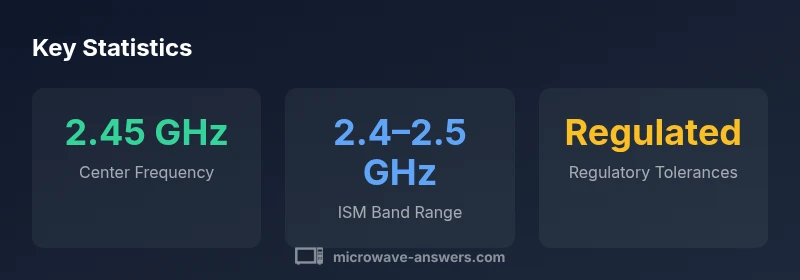
The frequency range most relevant to household microwaves is centered around 2.45 GHz, within the unlicensed ISM band that spans roughly 2.4 to 2.5 GHz. This tight, regulated window is chosen to optimize dielectric heating in food while keeping interference with Wi‑Fi, Bluetooth, and other devices manageable. Regulatory bodies require precise tolerances, shielding, and safety testing in consumer units, with magnetron control adjusting output to maintain consistent heating across meals.
What is the frequency range of microwave devices?
The frequency range of microwave devices shapes how energy is delivered to food and how devices interact with nearby electronics. For consumer kitchen microwaves, the most important window sits near 2.45 GHz within the ISM band, spanning roughly 2.4 to 2.5 GHz. This narrow band is optimized for dielectric heating in water, fats, and sugars without excessive stray energy. Regulators require shielding, leakage limits, and EMI control so that the oven directs energy into the food rather than into walls or counter surfaces. In practice, the oven's magnetron and control circuitry adjust power to maintain consistent heating across typical meal sizes, while ovens tested to standards ensure safety and reliability.
Typical center frequency and band structure
You will often see a center frequency around 2.45 GHz mentioned in product specifications. This is the nominal center within the 2.4–2.5 GHz ISM range, where most household microwaves operate. There is some tolerance in production, but devices are designed to avoid large energy leakage. Other uses of the 2.4 GHz band, such as Wi‑Fi and Bluetooth, share the space; manufacturers therefore implement shielding and filters to minimize cross-talk and interference. Understanding the band structure helps explain why some devices must be positioned with space or away from routers to reduce potential conflicts.
How frequency affects heating patterns and food quality
The frequency determines how energy penetrates food and how microwaves interact with water molecules. In the 2.45 GHz window, energy is absorbed efficiently by polar molecules, generating heat quickly near the surface and then inside the bulk of the food as conduction and diffusion proceed. Small changes in frequency or power settings can influence browning, moisture retention, and texture. This is why following manufacturer guidelines and using appropriate containers matters for predictable results.
The ISM spectrum and coexistence with other devices
Because 2.4–2.5 GHz is a busy slice of the spectrum, devices beyond microwaves must coexist with radios, routers, cordless phones, and other appliances. Regulators define emission limits, channel spacing, and safe tolerances, while device designers add shielding and RF filtering to reduce interference. For home cooks, practical takeaways include keeping microwaves away from high‑power Wi‑Fi devices when troubleshooting connectivity issues and minimizing metal-heavy containers that reflect energy in unintended directions.
Safety and regulatory considerations for home use
Safety standards cover leakage, shielding, and user manuals to prevent exposure beyond recommended limits. Frequency tolerance and EMI testing are part of product certification, ensuring that the oven produces energy primarily where intended. Consumers should inspect seals, door latches, and venting to ensure no energy is leaking, and never operate a microwave with a damaged door or damaged seal. Following the manufacturer’s usage guidelines reduces the risk of uneven heating or hot spots.
How to test and verify frequency in practice
For most users, direct measurement of the microwave's frequency is not practical at home; specialized equipment is needed. If you work in a lab or a repair shop, you can use a calibrated RF power meter and a spectrum analyzer to verify emissions in the 2.4–2.5 GHz range. EMI tests involve checking leakage through the door and seals using standardized test setups. For homeowners, the relevant checks are visual (no obvious damage) and functional (food cooks evenly).
Practical guidance for buyers: frequency-aware shopping
When shopping for a microwave, check the specifications for center frequency (usually around 2.45 GHz) and confirm compliance with safety standards. Consider the intended use: for densely populated homes, shielding quality and EMI rejection are important; for small kitchens, compact models with good door sealing may be preferable. Reading consumer reports and safety certifications helps you compare brands without needing to understand frequency math in depth. A well‑designed unit will deliver consistent heating with minimal interference.
Common misconceptions about microwave frequency
A common misconception is that frequency is the sole driver of heating performance; power, magnetron design, and oven geometry also matter a great deal. Another myth is that higher frequency always means faster cooking; in reality, penetration depth and food composition dominate results. Finally, many assume all devices in the 2.4 GHz band behave identically; device limits and shielding vary by model and certification.
Overview of common frequency bands used by microwave technologies
| Band / Range | Center Frequency | Typical Use |
|---|---|---|
| ISM band (2.4 GHz) | 2.45 GHz | Household microwaves; shared spectrum with Wi-Fi |
| Wi‑Fi / Bluetooth overlap | 2.40–2.483 GHz | Consumer wireless devices in close quarters |
| Industrial/ISM uses | 2.4–2.5 GHz | Industrial heating and some sensors |
Common Questions
What is the standard center frequency for most household microwaves?
Most household microwaves operate near 2.45 GHz, a standard center frequency in the ISM band. This choice supports efficient heating and relatively low interference with other devices.
Most household microwaves run near 2.45 GHz, which is the standard center frequency for home units.
Does frequency range affect cooking times?
Frequency influences energy absorption patterns, but cooking times are more strongly affected by power level and cooking vessel. Proper settings yield consistent results.
Frequency matters, but power and your container usually matter more for timing.
Can other devices cause interference with my microwave?
Interference can occur if shielding is weak or if a nearby device transmits strongly; keep routers at a distance and avoid metal in the oven when troubleshooting.
Yes, nearby devices can interfere if shielding is poor; keep routers away.
How can I test the frequency range at home?
Home frequency testing is limited; use the oven as intended. For concerns, professional testing uses RF equipment in controlled settings.
Home testing isn’t practical; if you’re worried, get a professional test.
Are there safety considerations when using frequency devices near a microwave?
Yes. High‑powered RF devices can cause interference and safety risks; maintain distance and follow safety guidelines.
Yes—keep high‑power RF gear away and follow safety tips.
What role does frequency play in microwave safety standards?
Frequency is central to regulatory testing and leakage limits. Standards ensure energy stays contained and emissions are controlled.
Frequency drives safety standards; it helps limit leakage.
“The frequency range of microwave devices is defined not just by the center frequency but by strict tolerances and shielding that ensure safe, predictable heating.”
Main Points
- Learn the center frequency near 2.45 GHz.
- Know the 2.4–2.5 GHz ISM band range.
- Shielding and safety testing are essential.
- Coexistence with routers requires proper device design.