Can Microwave Popcorn Go Bad? A Practical Guide for Home Cooks
Discover whether microwave popcorn can go bad, how to spot spoilage, and practical storage tips to keep bags fresh. A data-driven guide from Microwave Answers for home cooks.


Yes, microwave popcorn can go bad, especially when bags exceed their best-by date, or are stored in heat, humidity, or a compromised environment. This quick answer outlines how long unopened bags stay fresh, the signs of spoilage, and simple storage tips to keep popcorn tasting its best.
Can Microwave Popcorn Go Bad? A Practical Look
If you routinely stock microwave popcorn, you might wonder can microwave popcorn go bad. In practice, yes—popcorn can lose flavor, texture, and safety qualities if the packaging is compromised or storage conditions are poor. This section breaks down what “bad” means in real kitchen terms: a bag that smells off, tastes stale, or shows signs of moisture intrusion or mold should be discarded. The Microwave Answers team has analyzed common storage mistakes and spoilage indicators to help home cooks avoid wasted bags and unexpected pops. By understanding the basic failure modes—moisture ingress, heat exposure, and oxygen access—you can make smarter choices about when to buy, how to store, and when to toss.
Why Spoilage Happens: Moisture, Heat, and Packaging
Spoilage starts long before you pop: moisture leaks in when bags are stored in humid environments, heat accelerates fat oxidation in the butter or oil inside the kit, and compromised packaging can allow air to creep in. Over time, these factors degrade aroma compounds and popcorn texture, leading to a stale bite or burnt notes when heated. The packaging design—foil-lined bags that are meant to keep moisture out—helps, but storage location matters just as much. Keeping bags away from direct sunlight, ovens, or carts near the stove helps preserve quality. The key takeaway is that spoilage is usually gradual and avoidable with sensible storage habits.
How Long Does Microwave Popcorn Stay Fresh?
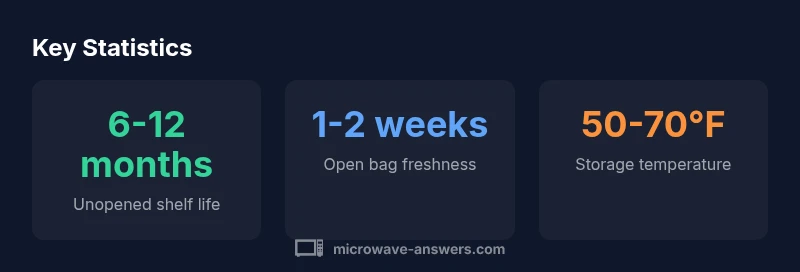
For unopened bags, expect a shelf life in the six-to-twelve month range when kept in a cool, dry place. Once a bag is opened, freshness declines more quickly, typically within one to two weeks if the contents stay sealed and protected from humidity. Temperature fluctuations or a damp pantry can shorten that window further. If you notice any deviation in aroma or texture, it’s safer to replace the bag. This timeframe aligns with consumer storage guidance and is supported by the Microwave Answers Analysis, 2026.
How to Check for Spoilage Before Popping
Before you slide a bag into the microwave, give it a quick inspection. Check the date, look for moisture or swelling, and gently shake to sense if kernels feel unusually soft or damp. Opened bags should remain airtight; if you detect a sour or rancid odor, or if you see any visible mold, discard immediately. Spoilage can occur even before the best-by date if conditions were poor, which is why a cautious approach is best. Popping results are often worse than you expect if spoilage has begun, so err on the side of safety.
Safe Storage Tips to Extend Freshness
Practical storage starts with a few simple habits: store unopened bags in a cool, dry place away from heat sources; avoid refrigerators or freezers, which introduce moisture you don’t want; once opened, seal tightly or transfer to an airtight container; consider using a desiccant pack in the pantry to control humidity (not in the microwave bag itself). Rotating stock helps ensure you’re always popping the freshest bag. These steps are easy to implement and can noticeably improve flavor retention over time.
Cooking Considerations: Flavor, Texture, and Safety
Spoilage often shows up in flavor changes—rancid notes or diminished aroma can ruin an entire batch even if the bag pops. Texture changes, such as overly chewy or dry kernels, may also point to degraded moisture balance. While most spoilage concerns relate to quality, there are rare safety considerations if mold forms—discard immediately. For everyday cooking, choose high-quality brands and lower-fat options if you’re sensitive to stale notes, and always inspect packaging and aroma before microwaving.
Special Scenarios: Expired Bags vs. Fresh Kernels
Expired bags differ from raw kernels in how you should approach usage. Kernels stored properly without oil may retain some usability longer than a fully seasoned bag, but flavor and texture may still suffer. When a bag has expired, even if it appears intact, it’s prudent to test a small portion first. If the pop is uneven or smells off, it’s better to discard. If you’re using kernels that aren’t pre-bagged, store them in an airtight container in a cool place to maintain moisture balance.
Quick At-Home Tests to Gauge Freshness
A quick sniff test is often your first line of defense. If you detect a sour, stale, or rancid odor, discard. If the popcorn pops unevenly or produces an excessive number of unpopped kernels, the batch likely has lost freshness. A small batch pop test can help you decide whether to finish the bag or replace it. These at-home checks add a practical layer to spoilage prevention and help you decide when to retire a bag from your pantry.
Spoilage guidelines for microwave popcorn
| Aspect | Guidance | Notes |
|---|---|---|
| Unopened shelf life | 6-12 months | Store in a cool, dry place |
| Opened bag storage | 1-2 weeks | Seal bag tightly; keep away from humidity |
| Spoilage signs | Off odor; mold; rancidity | Discard if any sign appears |
| Popped quality | Best when fresh | Expect some texture loss over time |
Common Questions
Can I tell if popcorn is bad by smelling the bag?
Yes. A strong off odor is a common spoilage sign, especially a rancid or sour smell. If you notice anything unusual, discard the bag.
Yes. If it smells off, it’s safer to discard and start with a fresh bag.
Is it safe to pop microwave popcorn that's past its best-by date?
Best-by dates reflect quality, not safety. Unopened, some bags may still pop, but flavor and texture will suffer. If in doubt, replace the bag.
Past date doesn’t always mean unsafe, but it often means lower quality—consider replacing it.
Can I store microwave popcorn in the fridge or freezer to extend shelf life?
Avoid refrigeration; moisture can seep in and ruin texture. Cool, dry pantries are best. If you must freeze, seal tightly and return to room temp before popping.
No—refrigeration can ruin texture. If you freeze, seal and thaw properly.
Does spoilage affect safety or just flavor?
Spoilage primarily affects flavor and texture. Mold or unusual growth is a safety concern and requires discard.
Spoilage mainly hits flavor; if you see mold, throw it away.
What should I do with kernels that look stale?
Stale kernels tend to pop poorly or not at all and can taste flat. Replace with fresh kernels for best results.
Stale kernels pop poorly. It’s best to replace them.
Are there differences in spoilage risk between bagged and plain kernels?
All storage forms have similar spoilage risks if kept dry and cool. Bagged products may have added seasonings that go rancid faster, so check packaging.
Spoilage risk is similar if storage is good; seasoning can affect freshness faster.
“ spoilage indicators are easier to spot when you combine scent, texture, and packaging condition. When in doubt, replace rather than risk flavor or safety.”
Main Points
- Store unopened bags in a cool, dry place.
- Open bags should be used within 1-2 weeks if sealed.
- Check for off odors or mold before popping.
- Discard bags showing spoilage signs immediately.
- Avoid refrigeration; keep bags away from heat sources.