Is Microwave Popcorn Good for Weight Loss? A Practical Guide
Explore whether microwave popcorn supports weight loss. Compare plain vs flavored options, learn label-reading tricks, and grab practical portion-control tips for 2026.


Is microwave popcorn good for weight loss? Not inherently; its fit depends on portions and ingredients. Plain or lightly seasoned varieties with minimal oil tend to be lower in calories than buttery, salted bags. If you track servings and choose healthier options, microwave popcorn can be a reasonable snack for weight loss, especially when used as a controlled, fiber-rich option.
Is Microwave Popcorn a Viable Weight-Loss Snack?
The short answer is: yes, but only if you choose the right format and watch portions. Microwave popcorn comes in a spectrum—from plain kernels with little oil to heavily seasoned bags loaded with butter, sugar, and high salt. The energy density of these products varies widely, so the impact on daily calories depends on your choices more than on the method of heating alone. For weight-loss goals, start with plain or lightly seasoned options that use minimal oil, or turn to air-popped-inspired snacks that mimic the texture without piling on calories. In addition to calories, you should consider sodium and saturated fat as you compare products. Popcorn is naturally high in fiber and can add bulk to meals, which helps with fullness on a lower-calorie plan. Still, portions matter: a snack that seems small can rack up calories quickly if you’re nibbling throughout the day or opting for flavor-packed varieties. In practice, a 2- to 3-cup serving of a lower-fat, lightly salted popcorn can fit into many weight-loss plans; the key is consistent portion control and mindful eating. The broader takeaway is this: there is no universal “good” or “bad” label—the fit depends on your total daily energy balance and personal preferences.
Plain vs Flavored: What Really Changes the Calorie Count
The big difference between plain popcorn and flavored varieties is oil, butter, salt, and any added sugar or cheese flavorings. Plain, air-light popcorn has fewer calories per cup because it relies on very small amounts of oil and no added flavoring. Flavored microwave popcorn often uses more oil or butter and may include sodium or sugar that dramatically increases calories per serving. Even within the same brand, you can see a wide range: a few light varieties hover around modest calorie counts, while indulgent flavors can push energy density higher. If weight loss is your goal, start with plain or lightly seasoned options, and only move to premium flavors when your daily calories allow for them. Remember that serving size on the package is a guide, not a rule; many people misread it and end up consuming more than one serving. Finally, flavor choices matter for satiety: higher fiber, lower fat options tend to keep you fuller longer, reducing the urge to snack mindlessly later in the day.
How to Read Labels and Choose Healthier Options
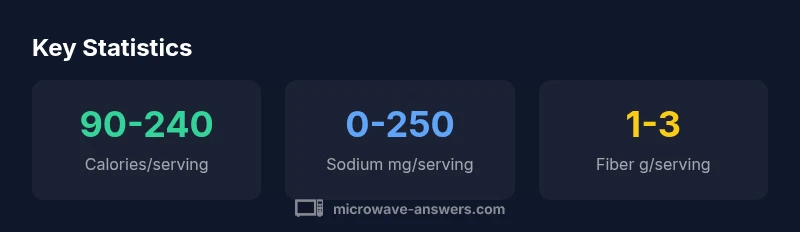
Nutrition labels on microwave popcorn show calories, fat, sodium, and fiber per serving. The most important number for weight loss is calories per serving, followed by fiber content. Look for options that use little or no added oil, contain 1–3 grams of fiber per serving, and keep sodium under a reasonable threshold. Ingredients lists can reveal hidden fats or flavor enhancers; if you see “hydrogenated oil” or multiple artificial flavors, that’s a red flag for energy density and overall health. Compare brands side by side, and consider the serving size you actually eat. If your bag’s serving size seems large relative to what you consume, use a scale or kitchen cup to portion accurately. A simple rule: choose products with 0–2 grams of saturated fat per serving, minimal added sugars, and a short ingredient list you actually recognize. With practice, label-reading becomes a quick habit that supports your weight-management goals.
Portion-Control Strategies for Popcorn
Portion control is where many pop-corn challenges arise. A practical approach is to pre-portion your snack before you sit down. Scoop two to three cups of popped corn into a small bowl or divide a bag into equal portions. If you want to eat more, add a protein-rich side (like a boiled egg or Greek yogurt) to improve satiety, rather than increasing the popcorn portion alone. Measure carefully rather than pouring directly from a bag; this helps prevent “unconscious overeating.” Use a kitchen scale or measuring cups at the start of the week to set consistent targets, then rely on those portions for daily snacks. Finally, consider timing: a mid-afternoon portion can curb cravings before dinner and reduce late-night indulgence.
Common Myths About Popcorn and Weight Loss
Myth 1: All microwave popcorn is unhealthy. Reality: Some microwave popcorn options are calorie-dense, but others can fit into a weight-loss plan if you select lower-fat flavors and manage portions. Myth 2: Popcorn automatically causes weight gain. Reality: Weight outcomes depend on total energy balance; popcorn can be a high-volume, low-energy-density snack if chosen wisely. Myth 3: Flavor-packed popcorn is always worse than plain popcorn. Reality: Flavor and portions matter; a small serving of a flavorful option with controlled oil can still be compatible with energy goals. Myth 4: You should never eat popcorn on a diet. Reality: It can be included as part of a balanced diet when portions, timing, and overall nutrition are considered.
Microwave Popcorn Safety and Quality Considerations
When selecting microwave popcorn, consider both safety and quality. Avoid bags that claim unrealistic health benefits or use unfamiliar flavors—these often come with higher sodium, fats, or artificial additives. Follow package directions to avoid overheating, which can affect texture and taste and possibly release unwanted compounds. It's also wise to stay alert for recalls or packaging warnings that might affect safety. Opt for brands that provide transparent ingredient lists, minimal added fats, and clear serving-size information. If you have specific dietary needs—low-sodium, low-fat, or gluten-free—double-check product labels. Always dispose of bags properly after popping and allow the popcorn to cool to prevent burns or moisture-related texture changes.
Practical Meal Planning: When to Include Popcorn in Your Day
Plan popcorn around activities where extra hunger might strike, such as mid-afternoon work or after workouts. Pair a small popcorn portion with a protein-rich snack or meal to improve fullness and assist with appetite control. Use popcorn to replace higher-calorie, less satisfying snacks rather than add-on calories to existing meals. If you’re following a plate-based or calorie-counting plan, estimate the popcorn portion as part of your daily total and adjust other meals accordingly. In practice, this means having a prepared pop-corn snack with a set serving size, then building the rest of your day’s meals around that choice. With intentional planning, popcorn can be a satisfying, energy-dense option that complements weight loss.
When to Avoid Popcorn for Weight Loss and Alternatives
There are times when popcorn may not be the best fit for weight loss, such as when you are trying to avoid highly salted or buttery foods due to hypertension or other health concerns. If you have a sensitivity to corn or a digestive condition that makes high-fiber snacks uncomfortable, you may prefer other snacks like nuts, fruit, or vegetables. Similarly, if you’re trying to limit sodium to very low levels, plain air-popped popcorn with minimal salt will be a better choice. Finally, if you find yourself overeating popcorn regularly, consider alternatives that offer more protein or fiber per calorie to support fullness without increasing total calories, such as edamame, yogurt, or veggies with hummus.
Comparison of microwave popcorn formats
| Format | Serving Size | Calories per Serving (range) | Notes |
|---|---|---|---|
| Air-popped | 2-3 cups | 90-120 | Low energy density, fiber-rich |
| Microwave popcorn (unbuttered) | 3 cups | 120-190 | Better for weight loss than buttered |
| Microwave popcorn (buttered) | 3 cups | 180-240 | Higher fat/sodium |
| Lightly salted/low-fat flavors | 3 cups | 120-170 | Balanced choice |
Common Questions
Is microwave popcorn healthier than other microwave snacks?
It can be healthier if you choose plain or lightly seasoned options and watch portions. Compare calories, fats, and sodium across snacks to find the best fit for your goals.
Yes, if you pick plain or light options and keep portions in check.
Can I eat microwave popcorn on a fat-reduction plan?
Yes, with careful portioning and selecting low-fat options. Keep an eye on added oils and flavors that increase calories.
Yes, with mindful portions and low-fat choices.
Do flavored varieties always hinder weight loss?
Flavorful varieties can fit if portions are controlled and calories are accounted for. Flavor alone isn’t a guarantee of weight gain or loss.
Flavor matters, but portion and calories do too.
What is a good portion size for popcorn?
A common target is about 2-3 cups popped per serving. Adjust based on calorie goals and the specific product.
Aim for about 2-3 cups per serving.
Are microwave popcorn bags safe to use daily?
Most are safe when used as directed. Avoid overheating and watch for recalls or packaging warnings.
Generally safe if you follow directions and avoid overheating.
Does popcorn contain fiber that aids weight loss?
Yes, popcorn provides fiber that contributes to fullness. But overall diet quality determines weight outcomes.
Yes, fiber helps fullness but don’t rely on it alone.
“There is no universal 'best' snack for weight loss; success comes from mindful portions and choosing ingredients with lower energy density.”
Main Points
- Choose plain or light popcorn to control calories
- Portion popcorn to 2-3 cups popped per serving
- Check label for oil, fat, and sodium
- Pair with protein to improve fullness
- Avoid heavily buttered varieties for weight-loss goals