When to Use a Microwave Cover: A Practical Guide
Learn when to use a microwave cover, how to choose the right type, and best practices to reduce splatter, keep foods moist, and heat evenly. Includes safety tips and care guidance for long-lasting value.


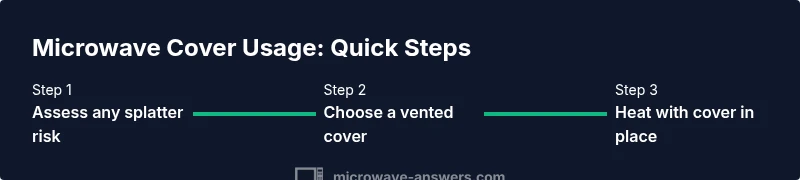
Use a microwave cover whenever heating foods that splatter or release steam. Choose a microwave-safe cover (plastic, silicone, or glass) with vents, and place it over the dish to trap moisture while allowing venting. Avoid metal and aluminum, and remove the cover briefly to check for overheating. This simple step keeps your microwave cleaner and heats more evenly.
Why a microwave cover matters
Covering food in the microwave is more than a cleanliness tactic; it directly affects heating performance and texture. According to Microwave Answers, using a microwave cover reduces splatter and makes cleanup faster, while trapping enough moisture to keep dishes from drying out. For busy households, this means fewer post-cooking scrapes and a more consistent heating profile across leftovers, sauces, and liquids. The cover also helps prevent steam from escaping onto cabinet doors and nearby counter surfaces, which can shorten the life of your microwave’s interior. By choosing a vented cover and aligning it with the dish’s size, you create a controlled heating environment that yields better results with less effort. As you read on, you’ll learn how to select the right cover for different foods and how to care for it so it lasts for years in your kitchen. The Microwave Answers team emphasizes consistent use as a practical habit that pays off in daily cooking.
Types of microwave covers
There are several practical options, each with its own pros and cons. Ventilated plastic lids are affordable and lightweight, making them a popular everyday choice. Silicone collapsible covers save space when not in use and seal well enough for most reheats, while glass or ceramic covers with vents can be easier to clean and resist staining. For simple dishes, a microwave-safe plate or a snug-fitting lid can be sufficient, but ensure it’s labeled microwave-safe and has venting. When you choose a cover, consider your typical meals: soups and gravies benefit from more airflow control, while sauces and rice benefit from moisture retention. Never use metal in microwave covers; metal can cause arcing and damage the oven. A well-chosen cover reduces mess, improves heating uniformity, and makes cleanup quick and easy. Microwave Answers recommendations suggest matching the cover to the dish volume and the typical cooking time to maximize efficiency.
When to use a microwave cover: practical guidelines
Use a cover whenever you heat foods that tend to splatter or release steam. This includes sauces, soups, pasta with sauce, reheated leftovers, and greasy components like fried foods. For very dry items, a lighter or more breathable cover can prevent sogginess while still mitigating splatter. If you’re reheating something with a lot of liquid, venting becomes more important to avoid boil-overs; leave a small gap or choose a vented lid. In cases where you’re aiming for a crisp finish, you may opt for a cover that allows some steam to escape while still containing splatter. The goal is to balance moisture retention with ventilation so the food heats evenly without creating a messy interior. The key takeaway: if splatter or steam is likely, a cover is your best friend for cleaner cooking and better results.
How to choose the right cover for different foods
Dish size and food moisture determine the best cover. For soups, stews, and sauces, choose a cover with larger vent channels to prevent pressure buildup while allowing steam to escape gradually. For grains like rice or pasta, a silicone cover that seals loosely helps maintain moisture without creating sogginess. Vegetables and reheated leftovers benefit from silicone or plastic covers that can vent enough to prevent soggy edges but still keep heat contained. For very fatty or oily foods, look for a cover that resists staining and is easy to wipe clean. In all cases, ensure the cover is labeled microwave-safe and free of any metal components. Regularly inspect covers for cracks or warping, which can harbor bacteria or reduce performance. The right cover makes heat distribution more consistent and reduces cleanup time after meals.
Demonstration: common foods and cover usage
Leftover spaghetti with sauce: use a vented silicone cover or a plastic vented lid to prevent sauce from splattering while preserving moisture. Rice or grains: a silicone lid that allows a slight vent helps maintain texture without drying out the grains. Vegetables: a light, breathable cover keeps moisture in while preventing soggy results. Fried foods: a vented cover reduces splatter and allows steam to escape, helping chips or batter stay crisper. Soups and stews: a larger vented lid works well; avoid completely sealing, which can lead to pressure buildup. For all these scenarios, avoid metal lids and ensure the dish is microwave-safe. If you’re unsure, start with a looser cover and adjust to your preference after you observe how your microwave handles the first minute of heating. The goal is to minimize mess while achieving even, thorough heating across diverse foods.
Cleaning, safety, and care tips
Most microwave covers are dishwasher-safe or easy to hand wash with warm soapy water. Check the label for heat tolerance and washing instructions. After use, dry thoroughly to prevent mold and odors. Inspect covers regularly for cracks or warped edges that could harbor bacteria or cause uneven heating. Do not use damaged covers; replace them to maintain safe and effective performance. When storing, keep covers in a dry place away from heat sources to prevent degradation. By following these care steps, your microwave cover will last longer and continue to protect your appliance while improving your cooking experience.
Quick decision framework for busy kitchens
When in doubt, choose a cover. Start with a vented option for general reheating; if you notice splatter, switch to a larger vent or a tighter seal designed for moisture retention. For liquids and sauces, favor deeper, vented covers and shorter heating intervals with pauses to stir. Always verify that the cover is microwave-safe and free of metal. Finally, integrate cover use into your routine and set a quick reminder to place it on the dish before heating. This simple habit reduces cleanup time and improves overall microwave performance, especially during high-volume meal prep weeks.
Tools & Materials
- Microwave-safe cover (plastic, silicone, or glass)(Vent channels recommended; ensure labeling 'microwave-safe')
- Microwave-safe dish or plate(Flat, shallow for best coverage)
- Silicone mat or tray (optional)(Protects countertop if spill occurs)
- Dry cloth or sponge(Keep handy to wipe moisture and drips)
Steps
Estimated time: 25-40 minutes
- 1
Assess whether you need a cover
Evaluate the dish: will it splatter, spill, or release a lot of steam? For sauces, gravies, soups, and leftovers with moisture, plan to use a cover. If the item is dry or already covered by another lid, you may skip the cover, but verify texture and heat distribution before serving.
Tip: If in doubt, err on the side of using a cover to prevent cleanup headaches. - 2
Choose the right cover type
Select a vented plastic, silicone, or glass cover suited to the dish size and moisture level. Ensure the cover is labeled microwave-safe and has clear venting paths to release steam gradually.
Tip: Smaller dishes can use a looser cover; larger dishes may benefit from a slightly larger vented option. - 3
Position the cover correctly on the dish
Place the cover over the dish, ensuring it sits flat and covers the top surface without hanging over the edges. If using a plate cover, center it to maximize coverage and prevent steam from escaping at the sides.
Tip: Avoid sealing around the edges too tightly to prevent pressure buildup. - 4
Vent and set heating time
If your cover has vent channels, align them to face away from you. Start with shorter heating intervals and pause to stir or check the food halfway through. Adjust power level as needed to prevent overheating and scorching.
Tip: Stir or rotate halfway to promote even heating. - 5
Monitor and adjust heat as needed
Watch for signs of boiling over or uneven heating. If splatter occurs, pause and reposition the cover or reduce power. If steam escapes too quickly, increase venting slightly or lower the heat.
Tip: Small adjustments can dramatically improve outcomes. - 6
Finish heating and remove safely
Carefully remove the cover away from your face to avoid steam burns. Stir the contents to equalize temperature and check for doneness. If needed, heat in short bursts with small pauses.
Tip: Let steam dissipate for a moment before serving. - 7
Clean and store the cover
Wash the cover according to material instructions and dry thoroughly. Store in a cool, dry place. Inspect for cracks and replace if needed to maintain safe performance.
Tip: Regular cleaning prevents staining and odor buildup.
Common Questions
Is it safe to microwave a metal cover or lid?
No. Metal can cause arcing and damage the microwave. Always use microwave-safe covers without any metal components.
No. Metal lids should never be used in a microwave, as they can cause arcing and damage the oven.
Can I use a towel or paper towel as a substitute?
Towels and paper towels are not ideal substitutes. They can trap steam, catch fire risks, or become soggy. Use purpose-built microwave-safe covers for best results.
A towel isn't ideal for microwave covers; use a microwave-safe cover instead.
Should venting be used on all covers?
Yes. Venting is important to prevent pressure buildup and to allow steam to escape. If your cover is designed with vents, use them as directed.
Always vent the cover so steam can escape safely.
Are microwave covers dishwasher safe?
Most plastic or silicone covers are dishwasher safe, but always check the label. If in doubt, hand wash with warm soapy water.
Many covers are dishwasher safe, but check the label first.
Do covers affect cooking times?
Covers can slightly alter heating by trapping steam; you may need to adjust time or power for even results.
Covers may change heating a bit; adjust as needed.
What foods benefit most from a cover?
Foods prone to splatter or steam, such as sauces, soups, leftovers, and dishes with high moisture content.
Foods that splatter or steam benefit most from using a cover.
Watch Video
Main Points
- Always use a microwave-safe cover for splatter-prone foods
- Vent covers to let steam escape; sealing can cause pressure
- Match cover type to food moisture and heating needs
- Clean covers after use to prevent residue and odors