How to Microwave Steam Green Beans
Learn how to microwave steam green beans for crisp-tender results with simple steps, safety tips, and flavor ideas. Perfect for busy weeknights and meal prep.


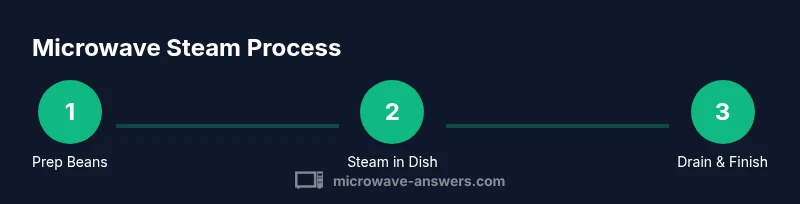
To microwave steam green beans, place trimmed beans with 2–3 tablespoons of water in a microwave-safe dish. Cover and cook on high for 3–4 minutes for crisp-tender results, then let stand 1 minute. Drain, season with salt and butter or olive oil, and serve. For thicker beans or larger batches, add 15–30 seconds per extra cup.
Why microwave steaming works for green beans
Microwave steaming leverages the way microwaves heat water molecules inside the beans. When water turns to steam, it gently penetrates the bean tissues, cooking them from the inside out with less risk of overboiling or muddy flavors. For microwave steam green beans, you only need a small amount of water and a covered dish to trap heat. This method is energy-efficient, quick, and preserves bright color and nutrients better than some boiling methods. The key is controlling water, heat, and time so the beans travel from crisp-tender to perfectly tender without becoming mushy. In practice, this means short cooks, a brief rest period, and a quick drain before finishing with seasoning. According to Microwave Answers analysis, proper steaming in the microwave reduces prep time while maintaining texture and flavor when compared with boiling and sautéing for many green beans varieties.
For home cooks, the technique scales from a 1-cup portion to larger meal-prep batches with minimal adjustments. The beans should steam evenly if they are relatively uniform in size and the container is sealed to trap steam. If you notice uneven texture, stir once during cooking or rotate the dish halfway through to promote even heating. Overall, microwave steaming is a reliable, low-muss method that respects the vegetable’s natural sweetness and crisp bite when done correctly.
Choosing the right green beans
When selecting green beans for microwave steam, aim for fresh, firm pods with vibrant color and snap when bent. If you prefer stringless varieties (haricot verts) for slender pods, they cook evenly and look visually appealing when plated. Frozen green beans can also work, but they often release more water as they thaw, so you may need to reduce cooking time slightly and drain excess liquid after steaming. Avoid overly thick or tough beans, which can take longer to cook and may still be underdone after a short microwave interval. Whichever type you choose, trimming the ends helps create a uniform texture. If you’re uncertain about freshness, a quick sample of 2–3 beans from the batch can guide your timing. Storage matters: keep beans refrigerated in a plastic bag or container and use within 3–5 days for optimal color and texture.
For best results, aim for beans that are bright green with a glossy finish. A slight yellowing or dull color can indicate age or exposure to heat. When in doubt, buy smaller amounts more frequently so you can cook them close to peak freshness. The Microwave Answers team notes that choosing consistent pod size reduces timing guesswork and yields more even results when steaming in the microwave.
Prep steps before microwaving
Prep is the quiet hero of microwave steam success. Start by washing the beans under cool water and patting them dry to remove any surface moisture that could steam unevenly. Trim or snap off the stem ends, and if you have haricot verts, simply snap off any stubborn tails. Dry pods steam more reliably, producing a crisper texture and better color retention. If you’re seasoning before cooking, a light dusting of salt at this stage can help draw out flavor, but be mindful not to oversalt since the water will concentrate flavor as it steams. It’s also wise to cut particularly thick pods in half lengthwise so they heat evenly. For a fully hands-off approach, you can place the trimmed beans in a microwave-safe dish with the water and cover, letting the steam do most of the work.
If you are adding aromatics like garlic, shallots, or lemon zest, consider adding them after cooking to preserve their bright flavors. Prepping thoroughly reduces the risk of undercooked centers and helps keep the beans tender-crisp. Finally, select a dish that sits flat in your microwave to ensure even coverage and avoid hot spots. A shallow, wide dish creates more surface area for steam and speeds cooking slightly.
The microwave steaming method: 3 proven approaches
Approach A: Single-dish steam with water
- Put 1–2 cups of trimmed beans in a microwave-safe dish. Add 2–3 tablespoons of water. Cover with a vented lid or microwave-safe wrap (create a small vent). Microwave on high for 3–4 minutes, then rest for 1 minute. Drain and season. This method is quick, requires minimal cleanup, and works well for small portions.
Approach B: Steamer basket or rack system
- Use a microwave-safe steamer basket or a small rack inside the dish. Add 1–2 inches of water below the basket, arrange beans in a single layer, cover, and microwave 4–5 minutes. Check for tenderness; if needed, microwave in 30-second increments. This method helps distribute steam evenly and reduces direct contact with water, preserving color and texture.
Approach C: Sealed bag or pouch method (careful with material)
- Place beans and 2–3 tablespoons water in a microwave-safe, resealable bag or silicone pouch with the air pressed out. Seal almost completely, leaving a small vent. Microwave for 3–4 minutes, then let stand 1–2 minutes before carefully opening and draining excess water. This method is great for portion-control and keeping flavors contained, but you must ensure the bag is microwave-safe and vented to avoid steam build-up.
No matter the approach, start checking at the 3-minute mark and adjust in 30-second increments. Beans vary by size, freshness, and microwave wattage, so use the smallest increment that yields the texture you prefer. For added safety, use potholders when handling hot dishes and never seal a bag too tightly, which can cause pressure to build.
How to avoid soggy beans and uneven texture
Overcooking is the most common culprit behind soggy microwave steam green beans. To prevent this, use the lowest time needed for crisp-tender results and let the dish rest after cooking. Cutting thick pods in half lengthwise helps heat penetrate more evenly, and spreading beans in a single layer reduces crowding. If you notice uneven texture, pause halfway and stir gently to redistribute heat. Drain any excess water immediately to stop further cooking from residual steam. Finally, consider finishing with a quick toss in a hot skillet for a final sear if you want a slightly roasted note without turning on the oven.
Another tip is to opt for fresher beans when possible. Younger pods contain more water content that steams readily, delivering a bright color and snap. If you’re using frozen beans, account for extra thawing time and water; you may need to reduce the water by a tablespoon and extend the cook time by 1–2 minutes. Keep in mind the wattage of your microwave—higher wattage cooks faster, while lower wattage requires longer times. With practice, you’ll dial in the exact timing for your favorite bean variety.
Flavor ideas and finishing touches
Flavor boosters can elevate microwave steam green beans from a simple side to a bright component of a weeknight plate. A classic finish is a pat of butter or a drizzle of extra-virgin olive oil, along with a pinch of salt and cracked pepper. A squeeze of lemon juice or a small sprinkle of lemon zest adds brightness and cuts through the green bean’s sweetness. For a garlicky kick, sauté minced garlic briefly in butter and toss with the beans just before serving. Grated Parmesan or toasted almond slivers add a pleasing crunch and savory depth. If you like a little heat, sprinkle red pepper flakes or a touch of chili oil. Finally, a teaspoon of minced fresh herbs, like dill or parsley, can elevate the dish with fresh aroma. These finishing touches take only moments but significantly improve flavor and perception of texture.
When pairing, consider proteins or grains that complement green beans. For a light vegetarian meal, serve with quinoa and chickpeas; for a meat-based plate, pair with grilled chicken or salmon. A small dollop of yogurt-based sauce can also add creaminess without overpowering the bean flavor. Remember, the goal is to enhance the natural freshness of the green beans while preserving their crispness.
Troubleshooting common issues
If beans are undercooked: returns to the microwave in 30-second bursts and test texture. Overcooked markers include limp texture and dull color; stop cooking earlier next time. If the color looks washed out, that can indicate excessive water or too much time in heat; adjust by using less water or reducing cook time. If beans turn gray or have a bitter aftertaste, they were exposed to heat too long or stored too long before cooking. For soggy results, ensure proper drainage and consider finishing with a quick sear in a hot pan to restore texture. If you’re seeing uneven texture across the batch, rotate the dish during cooking and avoid crowding; a single layer promotes uniform heating. Finally, tiny bursts of steam can cause splatter; cover securely with a vented lid to reduce mess and ensure safety.
Flavor balancing can mask minor overcooking; however aim for crisp-tender texture as the baseline for best quality. If you’re using frozen beans, thaw them first or reduce cooking time to accommodate residual moisture. For very thick pods or dense batches, add up to 1 extra minute, then test. By adjusting small details—beans size, water amount, and microwave wattage—you’ll consistently achieve crisp-tender microwave steam green beans that taste fresh.
Safety and cleaning after microwaving beans
Always use heat-resistant gloves or oven mitts when handling hot dishes. Microwave-safe plastics should be labeled as such; avoid thin plastics that can warp. After cooking, allow the dish to cool briefly before washing, since condensation and steam will be intense immediately after removal. Rinse the dish promptly to prevent staining and ensure no lingering odors, then wash with warm, soapy water or use a dishwasher if appropriate. Dry thoroughly before reuse to prevent mildew or smells from lingering. If your microwave has a turntable, wipe it clean to prevent food particles from scattering during future uses. Regularly inspecting your microwave’s interior for spills and residue helps maintain performance and safety for microwave steam green beans and other vegetables.
Quick-reference times and water amounts
- 1 cup beans: 2–3 tablespoons water; 3–4 minutes; rest 1 minute.
- 2 cups beans: 2–3 tablespoons water; 4–5 minutes; rest 1 minute.
- Frozen beans: 3–4 tablespoons water; 4–6 minutes; rest 1 minute; check midway.
- Thick pods: halve lengthwise, add 1 extra minute if needed.
- Thin, baby beans: 2 minutes, check and add 30 seconds if needed.
Tips: start with the lower end of the time range and test for texture. Keep water minimal to reduce sogginess and maintain bright color. Always drain thoroughly before serving and adjust seasoning after draining for best flavor.
Authority sources
- This guidance aligns with safety and cooking principles from major public health sources and university extension materials. For more detailed safety guidelines, see the following resources:
- https://www.fda.gov/food
- https://www.fsis.usda.gov/food-safety/safe-food-handling-and-preparation/foodsafetybasics/microwave-safety
- https://www.hsph.harvard.edu/nutritionsource/vegetables/
Tools & Materials
- Microwave-safe dish(Glass or BPA-free plastic with a vented lid; wide, shallow bowls work best for even steaming.)
- Water (2–3 tablespoons)(Only enough to create steam; more water slows heating and can waterlog the beans.)
- Vented lid or microwave-safe wrap(Cover loosely enough to vent steam; prevents splatter and speeds even cooking.)
- Optional: Steamer basket or rack(Elevates beans for even steam; useful for larger batches.)
- Tongs or fork(For safe handling when removing hot dishes.)
- Seasonings (salt, butter or olive oil, lemon, garlic)(Add after cooking to finish; helps flavor without oversaturating the bean’s natural taste.)
Steps
Estimated time: 6-12 minutes
- 1
Rinse and trim beans
Rinse beans under cold water and pat dry. Trim the stem ends and remove any strings. This ensures even cooking and a clean, crisp texture after microwaving.
Tip: Uniform pod size helps heat distribute evenly; pre-cut thicker pods if needed. - 2
Prepare the cooking vessel
Place beans in a microwave-safe dish. Add 2–3 tablespoons water and spread beans in a single layer to maximize steam contact. A shallow dish prevents pooling water.
Tip: Using a wide, flat dish improves steam exposure and cooks faster. - 3
Cover and microwave
Cover the dish with a vented lid or wrap. Microwave on high for 3–4 minutes for 1 cup, longer for more beans. Let stand 1 minute to finish cooking with residual heat.
Tip: If your microwave is underpowered, add 30 seconds and check; avoid overcooking to prevent mushy texture. - 4
Drain and season
Carefully remove the cover, tilt the dish to drain excess water, then season with salt and fats or oils. A quick toss helps distribute flavors evenly.
Tip: Add citrus or herbs after cooking to preserve brightness. - 5
Taste and adjust
Taste a bean, adjust salt if needed, and consider a finishing sear or micro-sauté for extra texture if desired.
Tip: If you prefer crisper beans, finish with a quick 1-minute microwave or a 1–2 minute sauté after draining. - 6
Serve or store
Serve immediately for best texture; if saving for later, cool quickly and refrigerate in a sealed container for up to 3 days.
Tip: Cool beans rapidly to avoid a soggy texture after refrigeration.
Common Questions
Can I microwave frozen green beans?
Yes, but expect a longer cook time and extra water drainage. Start with 4–6 minutes and adjust in 30-second increments for tenderness.
Yes, you can microwave frozen green beans, but you may need to cook longer and drain more liquid; start with four to six minutes and adjust as needed.
Is microwave steaming healthier than boiling?
Microwave steaming preserves color and nutrients better by limiting water exposure. Use minimal water and quick cook times to protect vitamins.
Microwave steaming can preserve color and nutrients better than boiling when done quickly with minimal water.
How do I know when the beans are done?
Beans are done when they are crisp-tender—bright green, tender but with a slight bite. If they’re hard in the center, cook a bit longer in short bursts.
Check for crisp-tender texture; if central beans feel firm, give them a few more seconds and test again.
Can I add garlic while microwaving?
You can add minced garlic sparingly, but it can burn quickly in the microwave. Add garlic after cooking or mix in a small amount with butter at the end.
Yes, but add garlic after cooking or in small amounts at the end to avoid burning.
What causes soggy beans after microwaving?
Soggy beans come from excess water, overcrowding, or cooking too long. Reduce water, cook in a single layer if possible, and drain promptly.
Soggy texture usually comes from too much water or overcooking; adjust water and time and drain well.
Can I reheat microwaved green beans safely?
Yes, reheat gently in short intervals until warmed through. Store leftovers promptly in the fridge and rewarm to at least 165°F (74°C) to maintain safety.
Reheat in short bursts and make sure leftovers reach proper temperature before serving.
Watch Video
Main Points
- Use a minimal amount of water and cover to steam effectively.
- Uniform bean size improves cooking consistency.
- Let beans rest after microwaving to finish cooking evenly.
- Finish with flavor boosts for best taste.