Microwave Meals for Elderly: Safe, Nutritious, and Easy to Prepare
Discover practical, elderly-friendly microwave meals with safety tips, texture adjustments, and simple reheating steps. A hands-on guide by Microwave Answers to support independence and good nutrition.


By following this guide, you’ll learn to prepare safe, nutritious microwave meals for elderly individuals with simple recipes, texture adjustments, and reliable reheating methods. You’ll select age-friendly ingredients, use microwave-safe containers, and verify temperatures to reduce choking risks and overheating. This approach keeps meals convenient without sacrificing nutrition or enjoyment.
Why Microwave Meals for Elderly Matter
For many older adults, the microwave is a reliable ally for independent eating. It delivers fast, predictable meals without heavy cooking, which can be a practical safety feature in small kitchens. According to Microwave Answers, well-planned microwave meals can support hydration, steady protein intake, and comfortable textures for varying chewing abilities. This guide focuses on practical, elderly-friendly strategies: choosing simple ingredients, heating safely, and adapting textures for accessibility. You’ll learn to balance nutrition with convenience, so meals feel satisfying rather than rushed. Whether you’re cooking for yourself or supporting a loved one, small, consistent steps add up to better daily nutrition. Throughout, keep an eye on portion sizes, moisture, and temperature to prevent overheating or cold spots.
Safety-First Guidelines for Heating Elderly-Friendly Meals
Safety is the cornerstone of any microwave approach for seniors. Use only microwave-safe containers; never put metal in the oven. Vent lids to allow steam to escape and stir foods at least once during heating to prevent cold spots and hot pockets. Let meals rest briefly after heating, then check temperature with a thermometer or touch-test to avoid burns. Keep the microwave clean and free of grease that can cause uneven heating. For extra assurance, label meals with dates and portion sizes so caregivers can monitor intake and freshness.
Texture, Accessibility, and Texture-Adjustment Strategies
Many elderly eaters benefit from softer textures and added moisture. If a dish is too dry, stir in broth, water, or sauce. For individuals with swallowing difficulties, smooth or finely chopped textures may be easier to manage; consider purees or mashed sides. Always taste and adjust seasoning gently; older palates may be more sensitive to salt. Also consider color and aroma cues to stimulate appetite. The microwave can soften vegetables quickly—aim for bright flavors with herbs and a light drizzle of olive oil to maintain nutrition.
Ingredient Prep, Storage, and Portioning for Easy Microwave Heating
Plan ahead by prepping ingredients in bite-sized portions and storing them in labeled, microwave-safe containers. Batch-cook proteins (chicken, fish, beans) and vegetables, then portion into meals that reheat evenly. Store in the refrigerator for short-term use or freeze for longer-term planning; thaw safely before microwaving. Keep sauces separate when possible to prevent soggy textures, and reintroduce moisture during reheating to preserve flavor.
Equipment, Containers, and Settings for Consistent Results
Choose containers with vented lids or microwave-safe covers. Glass and ceramic plates heat more evenly than some plastics; verify dishwasher-safe labeling. When in doubt, start with medium power and short intervals, then increase heat as needed. For frozen meals, defrost slowly on a low setting before full reheating to minimize texture loss.
Simple Meal Concepts and Reheating Templates
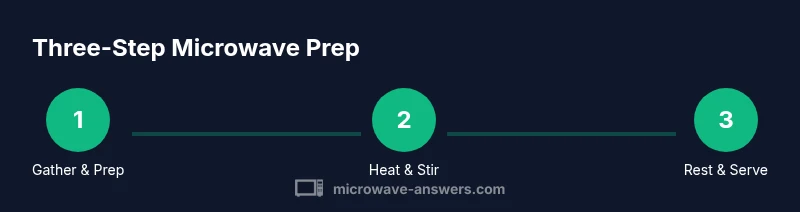
Here are elder-friendly microwave meal concepts you can adapt: Lean protein with soft vegetables and mashed potato, lentil or bean stew with soft grains, chunky vegetable soup with small noodles, or scrambled eggs with soft toast and a side of soft fruit. Reheating template: place portions in a microwave-safe dish, cover loosely, heat in short bursts, stir and check temperature, rest briefly before serving. Adapt textures with added sauce or broth to maintain moisture.
Authority Sources
To support these practices, consult reliable sources such as FDA guidance on microwave cooking and food safety, National Institute on Aging resources, and CDC food safety guidelines. These sources provide evidence-based recommendations on safe reheating, texture considerations, and general nutrition for aging populations.
- FDA: https://www.fda.gov/food/cooking-and-meat-preparation/microwave-cooking-and-food-safety
- National Institute on Aging (NIH): https://www.nia.nih.gov/health/eating-well-aging-well
- CDC: https://www.cdc.gov
Tools & Materials
- Microwave-safe containers with vented lids(Glass or BPA-free plastic; vented lids help steam escape and heat evenly.)
- Microwave-safe plate and cover(Used for plating and preventing splatter.)
- Cutting board and knife(For safe prep and chopping of ingredients.)
- Measuring spoons and cups(For portioning sauces and moisture.)
- Food thermometer(To verify safe serving temperature.)
- Oven mitts or heat-resistant gloves(Handle hot containers safely.)
- Labels or meal-prep containers(Date-label meals for freshness control.)
- Non-metal utensils(Use wooden or silicone tools to stir.)
Steps
Estimated time: 40-60 minutes
- 1
Gather elder-friendly ingredients
Collect ingredients that are easy to chew, moist, and low in added salt. Check labels for allergens and swallow-safety cues. Pre-plan one protein, one vegetable, and a starch for each meal.
Tip: Choose ingredients that heat evenly in the microwave for best texture. - 2
Prep ingredients for even heating
Wash, peel, and dice vegetables into bite-sized pieces. Soften firmer items by briefly blanching or steaming, then cool before microwaving. Keep sauces separate until reheating to prevent sogginess.
Tip: Pre-cut portions speed up reheating and reduce guesswork. - 3
Portion into microwave-safe containers
Distribute portions evenly across containers to prevent cold pockets. Use vented lids or microwave-safe covers and add a splash of water or broth if the dish looks dry.
Tip: Leave a small gap at the top to allow steam escape. - 4
Reheat with safe, even heating
Heat on moderate power, checking halfway and stirring. If heating is frozen, defrost first using low power, then finish heating. Use a thermometer to confirm the center is warm enough.
Tip: Stirring mid-heat helps avoid hot spots. - 5
Rest, test, and serve
Let the meal rest for a minute or two after reheating to even temperature. Test for warmth by touching the container or testing the core. Serve on a warm plate and supervise initial bites if needed.
Tip: Always verify temperature before serving.
Common Questions
Is it safe to microwave meals for elderly as a regular practice?
Yes, when you follow safety practices such as using microwave-safe containers, avoiding metal, stirring to prevent hot spots, and verifying the internal temperature before serving.
Yes—use microwave-safe containers, avoid metal, stir during heating, and check temperature before serving.
How long should reheating take for typical elderly meals?
Reheating times vary by portion size and density. Start with short intervals, check temperature, and repeat until the center is warm throughout.
Heat in short intervals, then check to ensure the center is warm.
What textures are best for swallowing difficulties?
Soft, mashed, or finely chopped textures are easier to swallow. Consider adding moisture with broth or sauce and avoid hard, chunky pieces.
Soft and chopped textures are easier to swallow; add moisture to improve ease of eating.
Can microwaving affect nutrient content?
Microwaving typically preserves nutrients well when used with minimal water and short heating times. Balance with a variety of foods to maintain overall nutrition.
Microwave heating can preserve nutrients when done efficiently; vary foods to keep nutrition balanced.
What containers are safest for elderly meals?
Choose glass, ceramic, or BPA-free plastic labeled microwave-safe. Avoid metal and certain plastics that warp or leach under heat.
Use microwave-safe glass or ceramic containers; avoid metal and questionable plastics.
How do I know if a reheated meal is safe to eat?
Check that the center is steaming hot and feels warm to the touch. If in doubt, reheat again and measure with a thermometer.
Make sure the center is hot and steaming; reheat if not sure.
Watch Video
Main Points
- Plan simple, elder-friendly meals that fit chewing abilities
- Use microwave-safe containers and vented lids
- Stir mid-heat and rest before serving for even temperature
- Verify safety with a thermometer or touch-test
- Label and store meals for freshness and easy access