Master Microwave Meals: Safe, Quick Fixes & Tips
Learn how to prepare microwave meals safely, reheat leftovers evenly, and troubleshoot common issues with practical, step-by-step guidance from Microwave Answers.


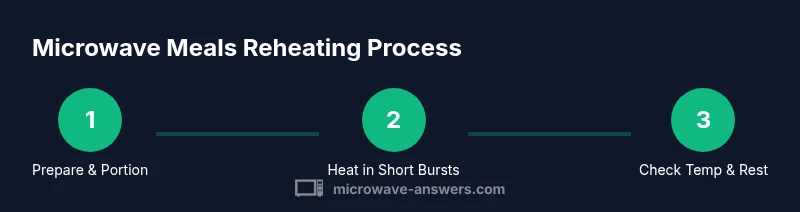
Master microwave meals by learning safe reheating, even heating, and practical serving practices. This guide covers container choices, heating in short bursts, stirring or rotating for uniform temperature, and completing with a brief rest. You’ll avoid soggy edges, cold centers, and dry spots, so every microwave meal is safe, tasty, and convenient. Whether reheating leftovers or warming ready meals, these steps help maximize flavor and nutrients.
Why microwave meals matter
Microwave meals offer a fast solution for busy households, students, and anyone juggling chores. They can be delicious when heated properly, but uneven heating and safety concerns are common if you skip proper reheating steps. According to Microwave Answers, the key to consistent results is understanding heat distribution, moisture retention, and safe temperatures. In this section we’ll explore why microwave meals deserve a thoughtful approach and how small changes can dramatically improve flavor and safety. We’ll share practical techniques you can apply in minutes, with everyday kitchen items you already own. By focusing on container choice, power settings, and timing, you’ll transform everyday microwaving into a reliable cooking method.
Beyond convenience, microwave meals can preserve nutrients better than long stovetop simmering when heated gently. Proper cooling and rest times prevent bacterial growth and ensure you don’t burn your tongue. We’ll also discuss how to choose pre-packaged meals, how to customize meals with add-ons like sauces or vegetables, and how to handle defrosted foods safely. The goal is not just speed, but predictable quality. Microwave Answers’s guidance aims to empower home cooks and homeowners to see the microwave as a versatile, safe tool rather than a last resort.
Planning safe microwave meals
Planning is the secret to consistently good microwave meals. Start by selecting containers that are clearly labeled microwave-safe, such as glass or ceramic; avoid metal, foil, and certain takeaway containers that can overheat or warp. If you’re reheating frozen or partially frozen items, defrost them safely using the microwave’s defrost setting or in the fridge before reheating to reduce cold spots. Packaging matters: pierce steam vents, remove metal trim, and transfer sauces or gravies to microwave-safe bowls when possible. According to Microwave Answers analysis, many issues arise from using inappropriate vessels or attempting to heat large portions in a single pass. A little planning—evenly sized portions, a shallow dish, and appropriate lids—pays off with even heating and better texture. You’ll also want to consider the total time, power level, and whether to add moisture (a splash of water or sauce) to prevent drying out. Keeping these factors in mind helps you achieve reliable results without guesswork.
Next, consider the food’s composition. Protein-heavy meals heat differently than veggies and starches, so you may need to separate components or use a container with partitioned sections. For soups and stews, a wider dish promotes heat distribution; for rice or pasta, a looser lid helps steam escape and prevents sogginess. If you’re reheating leftovers, store them in shallow, oven-safe dishes to maximize surface area and decrease hot centers. The goal is uniform warmth from edge to center, ensuring safety and flavor across every bite.
Best practices for even heating
Even heating is the cornerstone of great microwave meals. Start by spreading food into a thin, uniform layer rather than a thick mound; this increases surface area for heat transfer and reduces cold spots. For many items, a loose cover helps retain moisture while allowing steam to escape, preserving texture. Rotate and stir the contents halfway through heating to rebalance temperature; this simple action makes a big difference in avoiding hot edges and cold cores. If your microwave has a turntable, use it; if not, manually rotate the dish at intervals. Power settings matter: many foods reheat best at 70–80% power in short bursts (for example, 2–3 minutes, then a 30–60 second rest). Resting briefly after heating lets residual heat finish the job and equalize temperature. Consistency comes from practice: document which routines work best for your favorite microwave meals, and apply them across similar dishes. Microwave Answers emphasizes that even heating is not a one-time trick but a repeatable process grounded in understanding your appliance and your food. Maintain awareness of container compatibility and avoid scorching sauces or ingredients that pop when overheated.
Common mistakes and how to avoid them
There are several pitfalls that can ruin microwave meals if you’re not careful. Avoid using metal containers, aluminum foil, or dishes with metallic trim, which can create sparks and damage the oven. Don’t overload the dish; crowded food heats unevenly, leading to cold centers and dried edges. Skipping the rest period after heating is another frequent mistake; letting meals sit for 1–2 minutes allows heat to distribute, improving both safety and texture. Using translucent plastic wrap or cling film tightly can trap steam and cause sogginess or spillage; opt for vented lids or microwave-safe covers instead. Finally, heating from frozen without proper defrosting often results in partial cooking and potential food safety issues—defrost gently and then finish heating in shorter bursts. If you’re reheating sauces or soups, remember to stir to promote even temperature and prevent scorching at the bottom. The key is to respect the physics of microwaving: moisture, heat transfer, and air gaps all influence results. The Microwave Answers team encourages documenting what works for your kitchen and adjusting based on dish type and portion size.
Reheating leftovers vs fresh meals
Reheating leftovers and warming fresh microwave meals share core safety principles but differ in approach. Leftovers should be reheated to an internal temperature of 165°F (74°C) to ensure safety, and you should avoid multiple reheating cycles. When reheating, spread the food into shallow layers, pat dry watery sauces, and consider adding a splash of broth to re-create moisture. Fresh meals often benefit from preheating sauces separately and combining them at the end to preserve texture. If you’re using pre-packaged frozen meals, follow the package instructions, but also check for hot spots by stirring midway. For protein-heavy dishes, separate the protein from the starch or vegetables to manage heat distribution before recombining. Remember to use a food thermometer to verify the final temperature at multiple points, especially in thicker items. The goal is to balance safety with flavor—hot throughout, not just at the surface. Microwave Answers reinforces that mindful reheating turns convenience into consistent quality rather than a hit-or-miss routine.
Cleaning, maintenance, and safety tips
Maintaining a clean microwave is essential for safety and taste. Wipe spills promptly to prevent baked-on residues, and periodically remove the turntable to wash with warm, soapy water. Use a microwave-safe cleaner for stubborn stains rather than abrasive pads that could scratch surfaces. Regularly check the door seal and hinges for damage; a worn seal can reduce heating efficiency and allow steam to escape. Do not run the microwave empty; it can damage the magnetron, and avoid heating items with high sugar content or fatty foods for extended periods, which can smoke or burn. When in doubt, consult your appliance manual or the manufacturer’s recommendations. The Microwave Answers team recommends rotating containers during heating and letting meals rest briefly to equalize temperatures and preserve texture. With proper care, your microwave will remain a safe, reliable tool for many meals to come.
Tools & Materials
- Microwave-safe plate or bowl(Glass or ceramic; avoid metal and some plastic coatings)
- Food thermometer(To verify 165°F (74°C) internal temperature for leftovers)
- Microwave-safe lid or vented cover(Keeps moisture in and protects from splatters)
- Measuring cup or small bowl(For adding moisture or sauce when needed)
- Spatula or stirring spoon(Helpful for mixing and even heat distribution)
Steps
Estimated time: 15-25 minutes
- 1
Gather containers and ingredients
Collect a microwave-safe plate, thermometer, your meal, and any sauces or add-ins. Ensure packaging is opened and rearranged for even heating. Decide whether to heat in one dish or separate components to improve texture.
Tip: Use shallow, wide containers for even heat distribution and quick moisture exchange. - 2
Defrost if needed and portion evenly
If items are frozen, defrost safely using the microwave’s defrost setting or in the fridge. Portion larger meals into thinner layers to help heat reach the center.
Tip: Portioning increases surface area, reducing hot spots and cold centers. - 3
Set power and time in short bursts
Heat at 70–80% power in short intervals (e.g., 2–3 minutes) depending on portion size. For dense dishes, heat with breaks to reduce overheating.
Tip: Short bursts prevent scorching and uneven heating; rest helps the heat distribute. - 4
Stir, rotate, or rearrange midway
Pause heating at the halfway point and stir or rotate the dish to balance temperatures. For layered foods, move the outer edges to the center and vice versa.
Tip: Stirring is the simplest way to avoid cold pockets and maintain texture. - 5
Check temperature at multiple points
Insert the thermometer in several spots to ensure the core reaches 165°F (74°C). Reheat briefly if needed. Avoid relying on a single reading.
Tip: Probe the thickest section or center of the dish for accuracy. - 6
Rest briefly and serve
Let the meal rest for 1–2 minutes after heating to let residual heat distribute and flavors re-equilibrate. This reduces the risk of scorching and improves texture.
Tip: Resting is as important as heating for even flavor and texture. - 7
Clean up and store properly
Wipe the interior, wash and dry reusable containers, and store leftovers promptly in shallow containers. Label with date to ensure safety.
Tip: Regular maintenance keeps the microwave ready and reduces chance of contamination.
Common Questions
Can I microwave meals in plastic containers?
Only if they are labeled microwave-safe. Avoid using takeout containers or plastics not designed for microwaving. When in doubt, transfer to a microwave-safe dish.
Only microwave-safe plastics; otherwise transfer to a microwave-safe plate.
Why is my microwave meal still cold in the middle?
Hot and cold spots are common. Stir or rotate halfway through heating, and consider reducing portion size or increasing the number of short heating intervals.
Stir and rotate during heating, and consider shorter bursts for even heating.
Is reheating leftovers multiple times safe?
Reheat leftovers only once and to a safe temperature. Reheating multiple times increases the risk of bacterial growth.
No, reheat once to a safe temperature and avoid repeated reheating.
How can I tell if the food is heated evenly?
Check several spots with a thermometer or by tasting after resting. Uniform temperature across the dish indicates even heating.
Check multiple spots with a thermometer to ensure even heat.
What foods need extra care in the microwave?
Rice, eggs, and proteins with dense centers often require longer or staged heating and additional stirring to avoid underheating.
Rice and proteins can heat unevenly; stir and check temperature.
Watch Video
Main Points
- Use microwave-safe containers for safety.
- Heat in short bursts for even heating.
- Check internal temperature to 165°F (74°C).
- Rest briefly before serving to finish heating.