Microwave Cup Rice: A Practical How-To for Home Cooks
Learn how to microwave cup rice safely and perfectly with a simple method. Get the right tools, ratios, timing, and tips to avoid soggy or scorched results.


Learn how to microwave cup rice safely and effectively using a microwave-safe cup with a vented lid, a measured amount of water, and a short, staged heating cycle. This quick method yields fluffy, evenly heated rice for one serving or a quick meal, with practical tips on timing, moisture, and safety.
Why the microwave cup rice method is a practical option for busy kitchens
For home cooks seeking a quick, dependable way to prepare rice, the microwave cup rice method is a practical contender. According to Microwave Answers, using a microwave-safe cup with a vented lid lets you heat or reheat small portions without heating an entire pot. The approach minimizes cleanup and is especially convenient for dorm rooms, offices, or households that rotate rice into quick meals. The key is to control moisture and heat so the grains stay separate rather than clumped. With the right cup, a measured amount of water, and a short, staged heating cycle, you can achieve fluffy, evenly warmed rice in minutes. This method also supports leftovers: you can refresh cold rice without overcooking, if you follow the recommended rest period and gentle reheating. It’s essential to choose a cup that can tolerate microwave temperatures and to ensure you use a vented lid or microwave cover to trap steam and prevent splatter. Safety and simple cleanup are the biggest advantages, making this technique a reliable go-to for busy households.
What you need: selecting the right cup and water ratio
Choosing the right cup and water ratio is crucial. Use a microwave-safe cup with a vented lid or a microwave cover to trap steam and minimize splatter. Not all cups are safe for microwave use, so look for BPA-free glass, ceramic, or microwave-safe plastic with a clearly labeled microwave-safe symbol. Microwave Answers analysis shows that proper steam retention improves texture and reduces dryness. Start with a simple water-to-rice ratio concept: aim for roughly 1 part uncooked rice to about 1.25–1.5 parts water for a single portion. If you’re reheating pre-cooked rice, adjust by adding a small splash of water to re-create the moisture imbalance that fresh rice benefits from. Keep a measuring cup handy to stay consistent, and consider a timer or fridge thermometer to ensure safe reheating temperatures. A lid or plate that allows a small vent is ideal for even heating and easy cleanup.
How microwaves heat water and starch in cup rice
Microwave heating uses dielectric heating to excite water molecules; as water absorbs energy, it turns to steam, which in turn steams the starches and grains. In a cup, the steam should be enough to hydrate the rice without boiling over. The lid helps contain heat, while a vented design prevents pressure buildup. When used correctly, the microwave cup rice method creates a moist environment that yields softer grains with less gumminess. The critical pieces are a heat-safe cup, an appropriate water amount, and a lid that allows steam to escape gradually. If your microwave is particularly powerful, you may need to reduce the water slightly or shorten each heating burst to avoid scorching the rice at the bottom.
Step-by-step cooking method (overview)
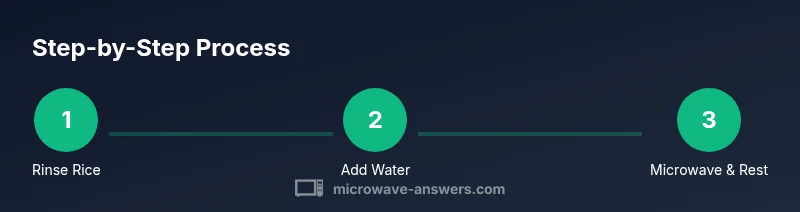
This overview outlines the core actions you’ll take, with emphasis on safety, moisture control, and texture. You’ll rinse the rice to remove surface starch, add water in the correct ratio, cover to trap steam, and heat in short bursts to prevent scorching. After cooking, allow the rice to rest briefly, then fluff and serve. If you need to scale up, you can increase the cup size or use a larger microwave-safe container, but keep the water-to-rice ratio in roughly the same range and monitor for even heating.
Troubleshooting common issues and fixes
If you notice sogginess, the cup may have retained too much moisture or you heated too long. Shorten the heating bursts, or increase ventilation to let steam escape. If the rice is undercooked, add a splash more water and reheat in short increments. Uneven heating is common in small cups; stirring halfway through heating can help distribute heat more evenly. For splatter control, ensure the lid is vented and you’re using a microwave-safe cover. Keep safety in mind: hot cups can cause burns, so use oven mitts when handling the container post-cooking.
Flavor boosts and variations
While plain rice is often sufficient, you can enhance flavor with a pinch of salt, a drop of oil or butter, or a splash of low-sodium broth. For variety, mix in pre-cooked vegetables, peas, or finely minced herbs after cooking to boost color and aroma without adding extra steps. If you’re reheating leftovers, consider a quick splash of water and a brief rest period to prevent dryness. Always taste and adjust salt or seasoning after reheating to your preference.
Safety, cleaning, and storage best practices
Always use microwave-safe containers and avoid metal or non-microwave-safe plastics. Let the cup cool a bit before handling, as the contents and cup can become very hot. Clean the cup and lid promptly to prevent starch buildup. Store any unused rice in a sealed container in the fridge and reheat within 2–3 days, using the same cup method if possible, or switch to a larger vessel for batch reheats. Proper storage reduces the risk of bacterial growth and maintains texture.
Authority sources
- Authority sources and safety guidelines: https://www.fda.gov/food-safety
- Additional safety guidelines: https://www.fsis.usda.gov/food-safety
- Public health reference: https://www.cdc.gov/foodsafety
Tools & Materials
- Microwave-safe cup with vented lid(Choose a cup labeled microwave-safe with a vented lid or a snug cover to trap steam.)
- Water(Enough to generate steam; use a measuring cup for consistency.)
- Measuring cup or spoons(Accurate measurement helps maintain texture and moisture.)
- Optional flavor boosters (salt, oil, small amount of broth)(Adds flavor without complicating the process.)
- Microwave-safe plate or towel (optional)(If your cup lid isn’t vented, use a plate to cover loosely and trap steam.)
Steps
Estimated time: Total time: 8-12 minutes
- 1
Rinse and measure rice
Rinse a small portion of uncooked rice under cold water until the water runs clear to remove surface starch. Transfer the rinsed rice to the microwave-safe cup and level the surface so heat distributes evenly.
Tip: Rinsing reduces gumminess and improves texture. - 2
Add water and seal
Add water to the cup in a roughly 1:1.25–1.5 rice-to-water ratio. Lightly stir, then place a vented lid on the cup or cover with a microwave-safe plate that allows a small steam vent.
Tip: Leave a small gap for steam to escape to prevent pressure buildup. - 3
Microwave in bursts
Microwave on high in short bursts (about 1–2 minutes at a time), stopping to check and stir if safe. Each burst should heat gently to avoid scorching the bottom.
Tip: If your microwave runs hot, reduce power to medium-high and extend the number of bursts. - 4
Rest and steam
After the final burst, let the cup rest for 1–2 minutes. Steam will continue to cook the rice and even out the texture.
Tip: Resting helps prevent a gummy mouthfeel and improves fluffiness. - 5
Fluff and test
Lift the lid carefully, then fluff the rice with a fork. Taste a small portion to assess tenderness and adjust with an extra 30–60 seconds if needed.
Tip: Fluffing prevents clumping and helps distribute residual heat. - 6
Serve safely
Carefully remove the cup using a potholder and transfer the rice to a plate to cool slightly before serving.
Tip: Hot cups retain heat; handle with care to avoid burns.
Common Questions
Can I use any cup in a microwave?
Not all cups are microwave-safe. Use a cup labeled microwave-safe and with a vented lid or a microwave cover to trap steam and prevent splatter.
Choose a microwave-safe cup with a vented lid to heat rice safely in the microwave.
What if the rice is undercooked?
If the rice isn’t tender, add a splash of water and reheat in short 30-second bursts, then rest for a minute. Check texture again before serving.
If it’s undercooked, add a splash of water and reheat in short bursts, then rest and recheck.
Can I reheat leftovers in the same cup?
Yes, you can reheat leftovers, but add a little water to restore moisture and prevent drying out. Stir occasionally during reheating.
You can reheat leftovers with a little water and stir during reheating.
How do I prevent splatter and mess?
Use a vented lid and, if needed, place a microwave-safe plate under the cup to catch any overflow. Keep the vent slightly open to release steam gradually.
Use a vented lid and a plate to catch splatter; vent steam gradually.
Is this method safe for kids or dorm cooking?
Yes, with adult supervision and proper cup choice. The method minimizes pots and pans, which is convenient for dorm rooms and small kitchens.
It's safe for kids with supervision and a proper microwave-safe cup.
Watch Video
Main Points
- Use a microwave-safe cup with a vented lid for best results
- Keep a consistent rice-to-water ratio to avoid dryness or sogginess
- Heat in short bursts and rest to finish steaming
- Fluff before serving for a light, separate texture
- Always prioritize safety when handling hot cups