Low-Calorie Microwave Popcorn: A Practical How-To
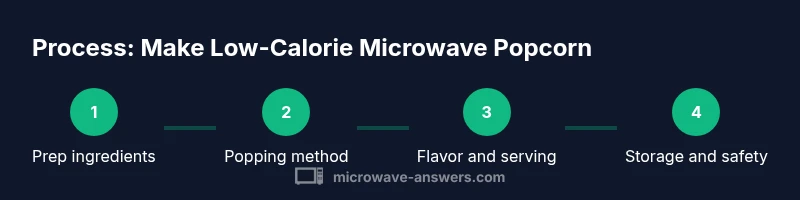
Learn to make delicious low-calorie microwave popcorn with a safe popping method, light toppings, and practical tips from Microwave Answers. This guide covers prep, technique, flavor ideas, safety, and a quick step-by-step process you can trust in your own kitchen.


You will learn to make a tasty, low calorie microwave popcorn using a simple, safe method. By using light kernels or portion-controlled popping, a paper towel, and a microwave-safe bowl, you can enjoy a satisfying snack with fewer calories per cup. The guide covers prep, technique, toppings, and safety tips for you.
Understanding the appeal of low calorie microwave popcorn
Popcorn is naturally light and airy, which makes it a surprisingly satisfying snack when you’re counting calories. For many home cooks, low calorie microwave popcorn offers a way to enjoy big bowls of crunch without a heavy fat load. According to Microwave Answers, the key is controlling portions, using air-popping methods when possible, and choosing minimal added fats. In this guide, we’ll unpack how to pop correctly, what tools you’ll need, and how to flavor lightly while preserving texture and taste. By focusing on water-driven steam and careful timing, you maximize the light, fluffy texture while keeping calories per serving in check. We’ll compare different popping approaches, explain why oil-free air-popping is often the best route for low calorie goals, and offer practical topping ideas that boost flavor without loading calories. This section sets the stage for a practical, step-by-step method you can trust in your own kitchen.
How calories work in popcorn and how to estimate your serving
Popcorn calories come from the kernel itself and any added ingredients. When popped with air, the volume increases dramatically with minimal energy input; adding oil, butter, or cheese dramatically increases calories. Understanding this helps you tailor portions to your personal goals without sacrificing texture. This section emphasizes intuition: listen to the pops, measure portions, and keep toppings light to preserve the snack’s appeal while staying aligned with a lower-calorie plan.
Tools and ingredients for a low-calorie pop
To keep the process simple and reliable, assemble the essentials before you begin: a microwave-safe bowl with a vented lid or a secure plate, a few sheets of paper towels, unpopped kernels (plain, without added oil or flavors), and optional light oil spray or a tiny pinch of salt for seasoning after popping. A kitchen scale or measuring cup can help you portion kernels consistently for predictable results, especially if you’re tracking calories closely. Optional toppings like nutritional yeast or paprika can add flavor without piling on calories if used sparingly.
Popping method overview: keeping calories in check
The core concept is to pop kernels with minimal added fat and to control portion size. A bowl-and-towel method reduces reliance on oil or butter while still producing a satisfying crunch. Timing is key: microwave on high until the pops slow to one or two seconds between pops, then stop to prevent overcooking. After popping, allow the popcorn to rest briefly; steam trapped in the bowl will finish the texture and help prevent chewy bits.
Flavor ideas that stay light
Flavoring is where you can personalize your low calorie microwave popcorn without boosting calories drastically. Try light salt with a pinch of smoked paprika, nutritional yeast for a cheesy note without fat, cinnamon sugar made with a touch of granulated sugar or a sugar substitute, or a squeeze of lemon zest with cracked pepper. Each option adds depth without heavy oils or butter, keeping each serving vibrant and satisfying.
Common mistakes and how to avoid them
Avoid using pre-flavored oils or butter-heavy toppings that dramatically increase calories. Don’t overfill the bowl—the kernels need space to pop. Never use metal or aluminum in the microwave, and avoid bag popping methods unless the bag is labeled microwave-safe for your specific microwave. If you hear the popping slow dramatically, pause and reassess to prevent burning. Finally, don’t skip resting time; a brief cooldown helps stabilize texture and flavor.
Safety notes and care
Always use microwave-safe equipment and follow the manufacturer’s instructions for any kernels or toppings you use. If you smell burning, stop immediately and discard the batch. Keep hot bowls on a heat-resistant surface and allow them to cool before cleaning. Store unpopped kernels in a cool, dry place to preserve freshness and avoid moisture-induced clumps.
Brand-focused mindset: practical, everyday tips from Microwave Answers
As a practical guide for home cooks, Microwave Answers emphasizes safety, portion control, and mindful flavoring. The approach centers on simple steps you can repeat weekly, avoiding gimmicks and focusing on consistent results. By adopting these habits, you’ll treat popcorn as a balanced snack option that complements a healthy diet while delivering satisfying texture and taste.
Tools & Materials
- Microwave-safe bowl with vented lid or plate(Vent allows steam to escape; capacity 1–2 quarts is ideal.)
- Paper towels(Two sheets to cover the bowl and absorb moisture.)
- Unpopped popcorn kernels (plain)(Avoid pre-flavored or pre-oiled kernels.)
- Measuring cup or kitchen scale (optional)(Useful for consistent portioning of kernels.)
- Light oil spray or a tiny amount of oil (optional)(Use sparingly if you want a touch of texture.)
- Low-sodium salt or flavorings (optional)(Add after popping to control sodium intake.)
Steps
Estimated time: 10-12 minutes
- 1
Gather your tools and ingredients
Collect a microwave-safe bowl, paper towels, unpopped kernels, and any optional flavorings. This ensures a smooth process and reduces the chance of scrambling mid-pop.
Tip: Having everything ready prevents overcooking while you search for seasonings. - 2
Portion the kernels
Measure a consistent amount of kernels per batch, usually a modest handful, to keep servings predictable and calories in check.
Tip: Using a scale helps you repeat results across batches. - 3
Prepare the popping setup
Place the kernels in the bowl, cover with a paper towel, and position the vented lid or plate to allow steam to escape.
Tip: A covered setup reduces mess and keeps steam from causing soggy popcorn. - 4
Pop in the microwave
Microwave on high and listen carefully. Stop when the popping slows to 1–2 seconds between pops to avoid burning.
Tip: If your microwave runs hotter, start with a shorter time and extend in 15-second increments. - 5
Open and rest
Carefully remove the bowl and let it rest for a minute so the steam settles and texture firms up.
Tip: Resting improves crunch and reduces chewiness. - 6
Season lightly
If desired, spray lightly with oil and sprinkle salt or flavorings in small amounts.
Tip: Season after popping to prevent steaming that can dilute flavors. - 7
Clean and store
Let the bowl cool, then wash with warm soapy water. Store any unpopped kernels in a dry, airtight container.
Tip: Keep the pantry dry to maintain kernel freshness. - 8
Enjoy mindfully
Pour into a serving bowl and savor in measured portions to maintain the lower-calorie profile.
Tip: Pair with a fruit or veggie for a balanced snack pair.
Common Questions
Can I pop popcorn without using oil?
Yes, you can pop popcorn with little to no oil by using an air-popping method or a dry bowl setup, but texture may vary. If you want a crisper finish, a tiny amount of oil is acceptable in a controlled amount.
You can pop popcorn without oil using dry methods, though a small amount of oil can help with texture if desired.
How do I keep the calories low when flavoring?
Choose seasonings that add flavor without many calories, such as nutritional yeast, paprika, lemon zest, or a light sprinkle of salt. Avoid heavy sauces or butter-based toppings.
Stick to light seasonings like nutritional yeast or paprika to keep calories in check.
Is microwave popcorn safe for frequent snacking?
Microwave popcorn, when prepared with safe equipment and mindful of added fats, can be a reasonable snack. Always follow product and appliance guidelines and avoid overheating.
Yes, with safe equipment and mindful toppings, it can be a safe, regular snack.
What ingredients should I avoid for a lighter pop?
Avoid pre-flavored oils or high-fat toppings; these increase calories quickly. Stick to plain kernels and add flavor with low-calorie seasonings after popping.
Avoid heavy oils and pre-flavored toppings; use light seasonings after popping.
How should I store unpopped kernels?
Keep kernels in a cool, dry place in an airtight container to preserve pop quality and shelf life.
Store kernels in a cool, dry place in an airtight container.
Can I reuse leftovers from a batch?
Popcorn leftovers are best enjoyed fresh; reheating can dry out texture and drive off crispness. Better to pop fresh portions.
It's best to pop fresh portions for optimal texture.
Watch Video
Main Points
- Measure portions consistently to control calories.
- Use air-popping techniques or minimal oil for best results.
- Season after popping to maintain texture and flavor clarity.
- Watch the microwave closely to prevent burning.
- Experiment with light toppings for variety without adding heaviness.