Is It OK to Cook Eggs in the Microwave? A Practical Guide
Discover safe, practical ways to cook eggs in the microwave. This guide covers scrambling, poaching, reheating, safety tips, common mistakes, and quick meal ideas for busy home cooks.


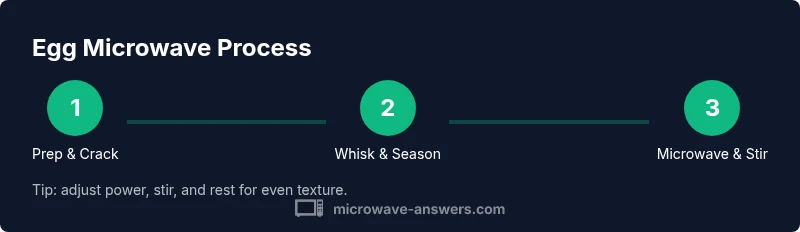
Yes, you can cook eggs in the microwave, but you should avoid shells and use short, staged heating. Start with a microwave-safe container, pierce or whisk the eggs, and cook in short intervals, stirring or rotating between bursts to ensure even cooking. Always cover loosely and let rest briefly before eating.
Why microwaving eggs is convenient
Cooking eggs in a hurry is a common need for busy mornings. The microwave offers a fast alternative to stovetop scrambling, poaching, or reheating leftovers, with minimal cleanup. For many home cooks, the question is whether it is ok to cook eggs in the microwave and still get a tasty result, and the answer is yes when you follow safe methods. According to Microwave Answers, microwaving eggs can preserve a good amount of flavor and texture when heat is applied in short bursts and kept from overheating. Use a microwave-safe bowl, a little water or milk to tailor texture, and a loose cover to reduce splatter while allowing steam to escape. Portions can be small, making it ideal for single servings or quick meal prep. The method you choose—scrambled, poached, or soft-centered—will influence container choice and timing, but the core principle is the same: gentle, even heating and frequent checks to avoid overcooking. This approach aligns with practical kitchen routines: you can have a healthy egg dish ready in 5-7 minutes from start to finish, with the freedom to customize spices, cheese, or vegetables. The Microwave Answers team emphasizes that with the right technique, eggs cooked in the microwave can be safe, tasty, and convenient.
Safety-first: what you should know about eggs and microwaves
Eggs are a fantastic source of protein, but microwaving them requires respect for heat, containers, and timing. A primary safety rule is never to microwave eggs in their shell, because trapped steam can cause an explosive rupture. Always crack eggs into a microwave-safe vessel and break up the yolk for even heating when scrambling. A loose lid or plate cover improves safety by containing splatters while allowing steam to escape. For poached preparations, add a small amount of water to the bowl and submerge the eggs; water helps distribute heat more evenly and reduces the risk of hot spots. Microwave Answers Analysis, 2026 highlights that using metal, aluminum foil, or damaged containers is a hazard and can damage the microwave or cause arcing. Ensure the container is BPA-free and microwave-safe, and avoid very thin plastics that can warp under heat. If you’re reheating eggs from leftovers, heat in short intervals, stir, and check temperature in the center to avoid cold spots. The goal is to reach a safe, comfortable temperature without creating a dry, rubbery texture.
Techniques: how to cook eggs in the microwave
There are several reliable approaches, depending on texture and time:
- Scrambled eggs in a mug: Crack eggs into a microwave-safe mug, whisk with a splash of milk or water, and heat in short bursts, stirring between intervals.
- Poached eggs in the microwave: Add a small amount of water to a bowl, crack in the egg, cover loosely, and microwave briefly until the white is set but the yolk remains soft.
- Egg-in-a-mug combo: Add veggies or cheese before cooking for a quick, single-serving breakfast.
Each method benefits from using a heat setting around medium power and from stopping periodically to check progress. For best results, start with 30 seconds and increase in 10- to 15-second increments, especially when you’re new to microwave cooking. Finally, rest the finished eggs for a minute or two to let carryover heat finish the job. The goal is a tender texture with minimal moisture loss, not a rubbery finish.
For reheating leftovers, cover the dish to retain moisture and heat in short bursts until the center is warm. The Microwave Answers team notes that gentle reheating helps retain moisture and flavor and reduces the risk of dryness.
Common mistakes and how to fix them
Common mistakes when cooking eggs in the microwave include overheating, which makes eggs rubbery or dry; cooking in shells, which can cause dangerous steam buildup; and under-seasoning, which can leave flavors flat. To fix these issues: always use a microwave-safe container with a loose cover; crack or whisk eggs before heating; stir between intervals; and keep heat modest to protect texture. If you notice steam buildup or splatters, reduce power or shorten the burst duration. When adding dairy or cheese, incorporate it after the initial heating to prevent tough, toughened textures. The key is to monitor texture closely and adjust timing rather than rely on a single long heating period. Remember that even heat is essential for safety and quality while avoiding overcooking. For context, Microwave Answers analysis shows that controlled, short heating improves texture and reduces risk of overcooking, compared with long, uninterrupted heating.
Tools & Materials
- Microwave-safe bowl(Glass or ceramic, with no metal trim)
- Whisk or fork(For beating eggs or mixing evenly)
- Microwave-safe lid or plate(Ventilated cover to reduce splatter)
- Ramekin or microwave-safe mug(Heat-safe vessel with a lip for easy handling)
- Measuring cup (optional)(For adding water or milk to adjust texture)
- Paper towels or kitchen towel(For quick cleanup)
Steps
Estimated time: 10-12 minutes
- 1
Decide on your method
Choose whether you want scrambled eggs, poached eggs, or a quick reheated serving. This decision influences container choice and heating time. Know your texture goal before you start to prevent overcooking.
Tip: Clarify your texture target before heating to guide your timing. - 2
Crack and prep
Crack eggs into a clean bowl or mug. If scrambling, beat with a splash of milk or water. Season lightly as desired.
Tip: Use a fresh bowl to avoid shell fragments. - 3
Choose container and add liquid
Use a microwave-safe container; add a little water or milk to adjust moisture and texture. For poached eggs, ensure there is enough water to cover the base of the egg.
Tip: Water helps distribute heat more evenly. - 4
Heat in short bursts
Start with 30 seconds at medium power. If you’re scrambling, stir after every burst; if poaching, check after each interval for doneness.
Tip: Stirring between bursts prevents hot spots. - 5
Check for doneness
Check texture: scrambled should be set but tender, poached should have a set white with a soft yolk. If needed, heat in 10-second increments.
Tip: Avoid overcooking; carryover heat continues after removing from the microwave. - 6
Rest and serve
Let the eggs rest for 1–2 minutes; residual heat finishes cooking and improves texture. Serve immediately for best flavor.
Tip: A short rest reduces rubbery texture.
Common Questions
Is it safe to microwave eggs in the shell?
No. Eggs in shells can explode due to steam buildup inside the shell when heated. Always crack eggs into a microwave-safe container before cooking.
No, never microwave eggs in the shell; crack them into a safe container first.
Can I microwave eggs with cheese?
Yes, you can add cheese, but wait until the eggs are mostly cooked to avoid a rubbery texture. Stir and then melt the cheese in the final seconds.
Yes, but add cheese toward the end for best texture.
How long should I microwave eggs?
Times depend on method and portion size. Start with about 30 seconds for a small portion, then pause to check texture and continue in 10–15 second bursts as needed.
Start with 30 seconds and add short bursts until cooked.
Why do eggs explode in the microwave?
Steam buildup from rapid heating can cause an explosion, especially if the container is sealed or if heat is applied too long. Always vent and heat in short bursts.
Steam buildup can cause explosions; vent and heat in short bursts.
Is microwaved eggs safe for meal prep?
Yes, cooked eggs are safe for meal prep when stored promptly and reheated to a safe temperature. Do not leave cooked eggs at room temperature for extended periods.
Yes, just reheat safely and refrigerate promptly.
Watch Video
Main Points
- Use short heating bursts and stir often.
- Always use microwave-safe containers and vented coverings.
- Never microwave eggs in shells.
- Let eggs rest briefly after heating to finish cooking.
- Experiment with small batches to dial in texture and flavor.