How to Microwave Bacon: Quick, Crispy Results
Learn a practical, safety-minded method to microwave bacon for crispy results in minutes. This guide covers equipment, prep, timing, troubleshooting, and variations to suit your kitchen and wattage.


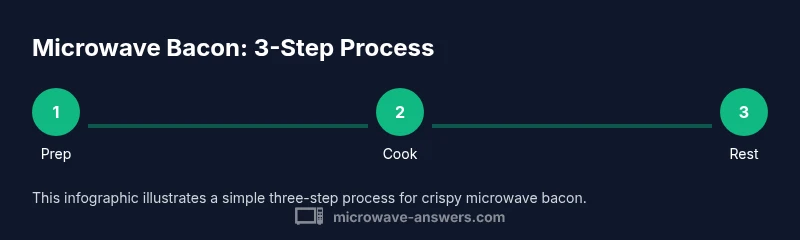
How to microwave bacon: You can achieve crispy, flavorful bacon in minutes by using a microwave-safe plate lined with paper towels or a dedicated bacon tray. Start with 2-4 slices, layer with towels, and cook in short intervals (1–2 minutes per side) until the fat renders and the meat is crisp. Let it rest for a minute before serving.
Why Microwave Bacon Is a Practical Choice
Microwave bacon offers a fast path to a satisfying breakfast without heating up the entire kitchen. For home cooks juggling busy mornings, quick meals, or weekend brunch, the microwave provides a predictable, hands-off option when you follow a reliable approach. The method is especially convenient for small apartments, shared kitchens, or busy households where oven space is at a premium.
According to Microwave Answers, the key to success is balancing speed with fat management. A properly arranged setup minimizes splatter, preserves flavor, and helps you avoid soggy edges or uneven cooking. The basic idea is simple: start with a single layer of bacon on a heat-safe surface, reduce the chance of overlapping slices, and monitor how the fat renders as the heat builds. In practice, most novices are surprised by how little time it takes to move from raw to crisp when they select the right vessel and follow a few guardrails. You’ll still get a crisp texture reminiscent of pan-frying, but with far less cleanup and energy use.
In this guide you’ll learn how to choose the right plate or tray, what to do with thickness differences, and how to adjust times for your specific microwave wattage. You’ll also see how to tailor the technique for dietary needs or taste preferences, from extra-crisp to lightly-chewy. By the end, you’ll have a robust, repeatable method you can rely on for everything from a quick breakfast to a late-night snack.
Safety First: What Could Go Wrong
Microwaving bacon is convenient, but it comes with safety considerations. Fat can splatter and smoke, a hot plate can become dangerously greasy, and uneven cooking can leave some slices underdone. To minimize risk:
- Use a microwave-safe plate and keep the plate clean to prevent fat buildup.
- Do not use metal accessories or foil in the microwave.
- Monitor the process and avoid leaving bacon cooking unattended for long periods.
Following a structured approach reduces the chance of burned edges, excessive splatter, or greasy leftovers. The Microwave Answers team emphasizes planning your setup before you begin, then executing in short, controlled bursts rather than a single long cook.
Choosing the Right Equipment
Your equipment choice directly affects crispiness and cleanup ease. A microwave-safe plate or a shallow, ventilated bacon tray is ideal because it allows fat to drain away while the meat cooks. If you don’t have a dedicated bacon tray, a ceramic or glass plate lined with paper towels works well—just be sure the plate is large enough to hold the slices without crowding.
Consider a lid or another microwave-safe plate to partially cover the bacon if you want less splatter, but avoid a tight seal that could trap moisture and steam. For long or thicker cuts, you may want a tray with raised edges to prevent liquid from pooling under the bacon. Always verify your microwave’s wattage and note that timing will vary accordingly.
Prep the Bacon for Even Cooking
Even cooking starts with proper prep. Thinner slices cook faster and can burn if left unattended, while thick-cut bacon benefits from a slightly longer cook time. Keep slices in a single layer with minimal overlap to ensure uniform heat distribution. If you stack slices, rotate positions halfway through cooking to reduce hot spots. Patting each slice dry with a paper towel helps prevent soggy areas caused by surface moisture.
For best results, separate slices that are stuck together before placing them on the plate. If you’re using thick-cut bacon, you may prefer to cut slices in half along their length to fit a single layer on a smaller plate. The goal is to maximize contact with the plate while maintaining space for fat to render away.
The Paper-Towel Method vs. Tray Method
Two common approaches work well:
- Paper-Towel Method: Line the plate with 2–3 layers of paper towels. Lay the bacon in a single layer, top with another layer of towels, and cook in short bursts.
- Tray Method: Use a microwave-safe bacon tray (if available) with built-in drainage. This keeps the fat away from the meat, which helps achieve crisper edges and less greasy texture.
Both methods produce crispy results, but the tray method may yield more consistent crispness for larger batches. The choice often comes down to the microwave’s wattage, your plate size, and how much cleanup you’re willing to do afterward.
Microwave Wattage and Timing Guidelines
Microwave wattage varies widely. If you’re unsure, start with shorter intervals and check frequently. For most home microwaves (around 800–1000 watts), a typical batch of 2–4 slices often takes about 2–4 minutes total, in 1-minute increments with stops to check and flip. Higher-wattage models may need less time, while lower-wattage units require a bit longer.
A good strategy is to cook in short bursts (about 1–2 minutes per interval) and pause to assess doneness. For very thin bacon, 1-minute bursts may suffice, while thicker slices require 2–3 minutes per interval. Always adjust based on your specific microwave and desired crispness.
Safety note: Keep a close eye on fat buildup and avoid letting it overheat to prevent smoke or a fire risk. If you notice a strong smell or smoke, stop cooking immediately and ventilate the area.
Troubleshooting Common Issues
Even with a plan, you’ll encounter occasional hiccups. Common issues and fixes include:
- Soggy bacon: Increase drainage by using more or thicker paper towels and don’t overcrowd the plate.
- Uneven doneness: Arrange slices in a single layer and rotate the plate halfway through cooking.
- Burnt edges: Shorten cooking intervals or reduce wattage; check frequently and remove done slices promptly.
- Excess splatter: Cover with a microwave-safe lid or an additional plate to reduce mess, but avoid sealing so air can escape.
If you consistently get uneven results, consider stepping down to a lower wattage setting or using the tray method for better air circulation.
Cleaning and Storage After Cooking
Once you’ve finished cooking, allow the bacon to rest for 1 minute. The resting period helps the fat finish rendering and the texture to set. Then transfer the bacon to a paper-towel-lined plate to blot any residual grease. For storage, refrigerate promptly in an airtight container for up to 3–4 days, or freeze for longer-term use. Reheat gently in the microwave to maintain crispness, checking in short intervals so it doesn’t overcook.
Routine cleanup is straightforward: wipe the microwave interior with a damp cloth after it cools, wash the plate or tray, and discard used towels. A quick wipe-down after each use keeps your appliance fresh and reduces lingering odors.
Variations: Thick-Cut, Center-Cut, and Turkey Bacon
Different bacon types require slightly adjusted times. Thick-cut bacon typically needs a longer cook time to render fat and achieve crispness, while center-cut varieties can finish faster due to their leaner profile. Turkey bacon, being leaner, cooks quicker and may not render fat the same way pork bacon does, so monitor closely and be prepared to shorten or lengthen cycles.
If you’re aiming for extra-crisp results, consider extending a minute or two beyond the standard for your chosen type, but watch for burning. For a chewier texture, reduce total cook time by small increments. As with any microwave method, personal preference and appliance variance play big roles.
Putting It All Together: A Repeatable, Safe Method
To ensure consistent results, start with a clean plate, appropriate cookware, and a clear plan for timing. Use 1–2 minute intervals, keep slices in a single layer, and rotate halfway through. Let the bacon rest briefly before serving to finish the crisping process. With practice, you’ll be able to dial in your preferred level of doneness and replicate it reliably across mornings and weekends.
Health and Safety Notes
Microwave bacon is convenient but must be handled safely. Fat splatter can heat quickly; always use microwave-safe containers and avoid metal. If you notice smoke, turn off the microwave and ventilate the area. Always discard any bacon that appears off-smell or unusually dark edges, and wash cooking surfaces and utensils promptly to prevent cross-contamination.
Final Thoughts on Efficiency and Cleanliness
The microwave method shines when time and cleanup matter. By choosing the right equipment, arranging slices properly, and timing in short increments, you’ll achieve a balance of crispness and convenience. Like any kitchen technique, it improves with practice, so keep notes on your microwave’s wattage and your preferred doneness to reproduce perfect results consistently.
Tools & Materials
- Microwave-safe plate(Ceramic or glass preferred; ensure plate is large enough for slices without overlap)
- Paper towels or parchment paper(Use 2–3 layers on the plate; helps absorb fat and reduces splatter)
- Microwave-safe bacon tray (optional)(Provides built-in drainage and crisper edges)
- Tongs or silicone spatula(Helpful for turning and removing hot slices)
- Ventilated cover or extra plate(Reduces splatter while cooking)
Steps
Estimated time: Total time: 6-12 minutes
- 1
Gather supplies
Collect the bacon, plate, towels, and any optional tray or cover. Ensure the microwave is clean and the area around it is clear. This preparation reduces interruptions and helps you cook with control.
Tip: Having everything ready prevents mid-cook scrambles and keeps timing accurate. - 2
Line the plate
Lay 2–3 layers of paper towels on the plate to absorb fat. A dry surface helps achieve crisper results and minimizes mess.
Tip: Extra towels can catch more fat; don’t overdo it or slices may steam instead of crisp. - 3
Arrange bacon in a single layer
Place slices in a single layer with minimal overlap. Crowded slices steam rather than fry, which leads to soggy spots.
Tip: If you have more slices, cook in batches rather than stacking on top of each other. - 4
Cook in short intervals
Start with 1–2 minutes (depending on thickness and wattage). Pause to check doneness and flip if needed, then continue in 1–2 minute bursts.
Tip: Check early; short intervals prevent overcooking and reduce smoke risk. - 5
Flip and rotate
Turn slices and rotate the plate halfway through to promote even cooking. This helps render fat evenly and avoids hot spots.
Tip: A quick flip makes a big difference in texture uniformity. - 6
Rest and serve
Let the bacon rest for 1 minute to finish crisping from residual heat. Transfer to a clean plate and pat away any remaining grease.
Tip: Resting improves texture and reduces sogginess.
Common Questions
Is it safe to microwave bacon?
Yes, it’s safe when you use microwave-safe dishes, avoid overcrowding, and monitor the process to prevent smoking or overcooking.
Yes, it’s safe as long as you use microwave-safe dishes and keep an eye on it while cooking.
How long does bacon take to cook in a microwave?
Times vary by thickness and wattage, but most batches cook in about 2–4 minutes total in short bursts. Start with 1–2 minute intervals and adjust.
Most batches take a few minutes, and you should cook in short bursts and check often.
Should I flip the bacon during cooking?
Yes, flipping or rotating slices helps render fat evenly and avoids uneven browning.
Flipping helps the bacon cook evenly and get crisper all around.
Can I microwave turkey bacon?
Turkey bacon can be microwaved, but it’s leaner and may require shorter times and closer monitoring to prevent dryness.
Turkey bacon works in the microwave, but watch the time because it dries out faster.
How should I clean up after cooking bacon in the microwave?
Let the plate cool, wipe the interior of the microwave, and wash the plate and towels to keep the appliance fresh.
Cool the plate, wipe the microwave, and wash the plate and towels afterward.
What if my bacon isn’t crispy enough?
Extend cook time in small increments, ensure slices are in a single layer, and consider using the tray method for better air circulation.
If it's not crispy, cook a bit longer in short bursts and keep it in a single layer.
Watch Video
Main Points
- Line the plate with towels to absorb fat.
- Cook in short bursts and check often.
- Use a single layer for even cooking.
- Rest briefly before serving for best texture.