How to Make Egg in Microwave
Discover a quick, safe method to cook an egg in the microwave. Learn essential tools, timing, safety tips, and tasty variations for a reliable, mess-free breakfast in minutes.


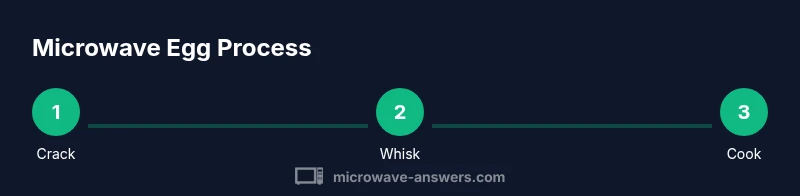
To make an egg in the microwave, crack the egg into a microwave-safe bowl, whisk with a splash of milk or water, and cover. Microwave in short bursts, stirring between intervals until the egg is just set. Season and serve immediately. This quick method is perfect for busy mornings or dorm rooms.
How to Make Egg in Microwave
How to make egg in microwave is a practical solution for fast breakfasts and dorm-life; it balances speed with safety and texture. According to Microwave Answers, this approach minimizes mess while delivering a consistent result. Start with a single egg in a small, microwave-safe dish, and you’ll have a ready-to-eat egg in minutes. The method scales to more eggs, but you should adjust time based on your microwave’s wattage and the dish size to prevent overflow. By keeping heat controlled and using a vented cover, you’ll achieve pale, tender curds rather than rubbery fragments. This technique is ideal when you’re between meetings, cooking for kids, or when a full stove setup isn’t convenient. With practice, your timing becomes instinctive, and you’ll learn how to coax different textures from the same basic method.
Safety considerations and common mistakes
Safety matters when microwaving eggs. Never microwave an egg in its shell; pressure can build quickly and cause an explosion. Always crack the egg into a bowl and cover loosely with a vented lid or plate to prevent splatter and to trap steam for even cooking. Do not overcook; residual heat continues after the cycle ends, which can turn a soft yolk to rubber if you’re not careful. For best results, start with short cooking intervals, stir or whisk between bursts, and check doneness frequently. If you notice uneven texture, pause and rotate the dish for more uniform heating. These precautions help you avoid common pitfalls while keeping cleanup minimal.
Equipment and ingredients you'll need
- Microwave-safe bowl (6–8 oz) made of ceramic or glass; this size helps prevent overflow when the egg expands. Required: true.
- Fork or small whisk for thorough mixing. Required: true.
- Microwave-safe lid or vented plate to cover the bowl. Required: true.
- Milk or water (optional) to create a lighter texture; a splash is enough. Required: false.
- Salt, pepper, or cheese and herbs for flavor (optional). Required: false.
Choosing the right container matters: a shallow, wide dish heats more evenly than a tall mug, and a vented cover reduces splatter while letting steam escape. If you’re in a tiny kitchen, a microwave-safe mug can work for single-serving eggs, but you’ll get a different texture than with a bowl. Keep a small drizzle of oil or butter handy to prevent sticking if you’re using a very plain bowl.
Techniques for fluffy vs. firm eggs
To achieve fluffy scrambled eggs, whisk with a splash of milk or water and cook in several short intervals, stirring between bursts to reincorporate the texture. For firmer eggs, skip extra liquid and cook longer in slightly longer bursts, still stopping to stir every 15–30 seconds. A mug omelet can be made by whisking in fillings like chopped vegetables or cheese and cooking in a few brisk bursts, then folding in your fillings. Key ideas: use even, moderate heat, avoid overcrowding the dish, and let the egg rest briefly after cooking to finish carries over heat without scorching.
Variations and flavor ideas
Elevate your microwave egg with simple add-ins. Try spinach and feta, mushrooms and Swiss, or diced tomato with mozzarella for an Italian twist. For a Southwestern vibe, mix in cilantro, a pinch of chili powder, and pepper jack. If you prefer a savory edge, whisk in a small amount of cream cheese or sour cream for extra richness. For a dairy-free option, add a splash of almond milk or water and a pinch of turmeric or paprika for color. These variations keep breakfast exciting while staying quick and easy.
Troubleshooting and clean-up
If the egg overflows, switch to a wider, shallower dish and reduce cooking time. If you end up with a rubbery texture, reduce the total cooking time and increase stirring frequency. For splatter issues, ensure you use a vented lid or plate and wipe the inside of the microwave after cooking to prevent lingering odors. To clean, soak the bowl briefly in warm soapy water, then wipe with a sponge. Keeping your microwave clean helps maintain consistent heating and prevents flavors from transferring between recipes.
Tools & Materials
- Microwave-safe bowl(6-8 oz ceramic or glass works well to prevent overflow.)
- Fork or whisk(Used to beat the egg for even texture.)
- Microwave-safe lid or plate(Vent to prevent splatter and trap steam.)
- Milk or water (optional)(Small splash for creaminess; adjust to preference.)
- Salt and pepper(Season after cooking.)
- Cheese or herbs (optional)(Flavor add-ins for variations.)
Steps
Estimated time: Total time: about 3-5 minutes
- 1
Crack the egg into a microwave-safe bowl
Crack one egg into the bowl and inspect for shell fragments. This initial step sets the stage for a smooth cook and avoids shards that could land in your final dish. If you’re cooking multiple eggs, crack them into the same bowl or separate bowls depending on your texture goal; keep portions manageable to prevent overflow during heating.
Tip: Crack into a small bowl first to quickly catch any stray shell pieces. - 2
Whisk with a splash of liquid
Use a fork or whisk to beat the egg until the yolk and white are fully blended. Add a splash of milk or water if you want a lighter, fluffier texture. A thorough whisk helps distribute heat more evenly and reduces striations in the cooked egg.
Tip: Whisk until the mixture looks uniform and slightly pale for best texture. - 3
Cover and microwave in short bursts
Cover the bowl with a vented lid or plate. Microwave on high for short bursts (about 20-30 seconds, depending on wattage), then pause to stir. Repeat until the egg is just set with a creamy center. The key is gentle, repeated heating rather than one long cook.
Tip: Stir between bursts to promote even cooking and prevent rubbery edges. - 4
Check doneness and finish cooking
If you see still-runny portions, give it another short burst and stir again. Continue until most of the liquid has firmed, and the texture matches your preference. Remember that residual heat will continue to cook the egg after you remove it from the microwave.
Tip: Avoid overcooking by checking early and cooking in increments. - 5
Season and add final touches
Season with salt and pepper to taste. If desired, fold in cheese, herbs, or a few chopped vegetables for extra flavor and nutrition. Allow the egg to rest for a minute to finish setting and avoid a molten center.
Tip: Taste and adjust seasoning after resting for best flavor. - 6
Serve and enjoy
Slide the finished egg onto a plate, garnish if you like, and enjoy immediately. Microwave eggs make a versatile base for a quick breakfast, snack, or light meal that’s ready in minutes.
Tip: Pair with toast, fruit, or a light salad for a complete meal.
Common Questions
Can I microwave eggs in the shell?
No. Cooking eggs in their shells can cause an explosion due to built-up steam. Always crack the egg into a bowl before microwaving.
Do not microwave eggs in shells; crack them first.
How long does it take to cook a single egg in the microwave?
Times vary by wattage; start with 20-30 seconds, then check and continue in short intervals until set.
Start with a short burst and check often.
Can I add dairy or cheese to microwave eggs?
Yes. A splash of milk or a pinch of cheese can improve texture and flavor; whisk well and adjust cooking time accordingly.
Yes, you can add dairy but mix well and monitor doneness.
Is reheating microwave eggs safe?
Reheat gently in short bursts, stirring between intervals to avoid rubbery texture.
Reheat in short bursts and stir often.
What wattage is best for microwaving eggs?
Most home microwaves are 600-1200W; start with lower times and higher bursts to prevent overcooking.
Lower wattage needs shorter bursts and more checks.
Can I make a mug omelet in the microwave?
Yes; whisk eggs with fillings in a mug and microwave in short intervals, stirring between bursts.
A mug omelet works well with quick bursts and stirring.
Watch Video
Main Points
- Use a microwave-safe dish and cover.
- Cook in short bursts and stir often.
- Add dairy or water for texture and flavor.
- Season after cooking and personalize with add-ins.