How to Make a Baked Potato in the Microwave: A Complete Guide
Learn how to make a baked potato in the microwave with step-by-step instructions, topping ideas, and safety tips from Microwave Answers. Fast, reliable, and delicious for weeknights.


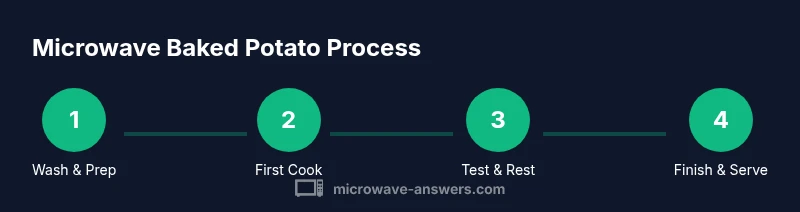
To bake a potato in the microwave, start with a medium russet; wash and dry it, then pierce with a fork, rub with a little oil and salt, and place on a microwave-safe plate. Microwave on high for 5-6 minutes, flip, and cook 4-6 minutes more until tender. Let it rest 2 minutes, then top as desired. For crisper skin, finish under a broiler for 1-2 minutes.
What makes microwaved baked potatoes different
If you’re asking how do you make a baked potato in the microwave, you’re tapping into a fast, weeknight-friendly approach. The microwave relies on steam and heat from the inside out, delivering a fluffy interior in a fraction of the time it takes an oven. The result is a potato with soft, tender flesh that can rival oven-baked texture when you follow best practices. According to Microwave Answers, microwaving preserves moisture and reduces overall cooking time without sacrificing too much flavor when you follow best practices. The skin may not be as crispy as an oven-baked version, but you can coax more texture with pre- and post-cooking steps. This method suits busy households, students, and anyone craving a hot potato in minutes. You’ll still want to start with a good potato, clean it well, and finish with toppings that brighten the experience.
Why microwaving works for baked potatoes
Microwaves heat water molecules inside the potato, causing steam that softens the starch and makes the flesh fluffy. Because the heat is concentrated inside the potato rather than radiating from the outside, you can cook the inside quickly while avoiding overcooking the exterior. This is why the microwave is so effective for baked potatoes on busy days. The approach also reduces energy use and avoids heating up the whole kitchen. To maximize success, you need steady heat, proper prep, and a brief rest after cooking so the steam settles. For many home cooks, microwaving provides a reliable baseline before any optional finish under a hot oven to add crispness. The combination gives you a fast, satisfying side dish or main meal component.
Choosing the right potato and prepping
Start with a medium russet or similar starchy potato; these varieties have the best balance of fluffy interior and manageable skin. Wash the potato thoroughly under cool running water to remove dust and any residue. Pat it dry with a clean towel; moisture on the skin can interfere with crisping if you plan a finish under broiler. Prick the potato in several places with a fork to vent steam during cooking. If you like, rub a little oil over the skin and sprinkle with salt for seasoning and a touch of crisp texture. Setting up a clean, dry surface and using a microwave-safe plate will keep your work area tidy and prevent drips.
The basic microwave method (no foil)
Place the prepared potato on a microwave-safe plate. Microwave on high, with a time estimate of about 5-6 minutes for a medium potato. After the first interval, flip the potato to promote even heat distribution, then continue cooking for another 4-6 minutes depending on size and microwave power. Check tenderness with a fork; if the fork slides in with little resistance, the interior is ready. Let the potato rest for 2 minutes. If you want crisper skin, you can proceed to finish under a broiler or toaster oven for 1-2 minutes, watching closely to avoid burning.
Optional toppings and flavor ideas
Top with butter, sour cream, shredded cheddar, chives, bacon bits, steamed broccoli, or a dollop of Greek yogurt. For a healthier option, add a squeeze of lemon or a drizzle of olive oil plus a pinch of paprika. You can also add toppings while the potato is still hot to meld flavors; the steam will help release aromas. If you’re packing a meal, consider a quick spoon of chili, black beans, or tuna salad over the warm flesh. The topping choices are endless, and the microwave makes it easy to customize for picky eaters or dietary needs.
Variations: crisp skin after microwave
If you crave oven-baked texture, place the microwaved potato on a rack in a preheated oven at 450°F (230°C) for 5-7 minutes, or use a kitchen torch to lightly crisp the skin. A toaster oven finishing step or a broiler for 1-2 minutes is often enough to yield a visibly crisp exterior. Another method is to brush the skin with olive oil and a light salt before finishing. Remember to monitor closely to prevent burning. This hybrid approach preserves the quick cook time while enhancing skin texture.
Common mistakes and how to avoid them
Skimping on washing leads to dirt on the interior; always wash thoroughly. Not piercing enough vents steam, which can cause a soggy skin or a blowout in rare cases. Cooking too long without checking tenderness can over-dry the flesh. Using a dull knife to test stiffness can yield inaccurate results; use a fork instead. Finally, skipping rest time causes the juices to be uneven when cut; allow 2 minutes to rest before topping.
Safety tips for microwave cooking
Never put metal in the microwave, including foil or coated containers. Use microwave-safe dishes and vent lids if needed. If your potato is large, you may need to adjust cooking times in increments of a minute to avoid scorching. Let hot items cool before handling to prevent burns. If you’re heating leftovers, follow standard food safety guidelines: reheat to steaming hot, store promptly, and label dates.
Troubleshooting: undercooked potato
If the potato remains firm after the initial cooking, return it to the microwave in 1-2 minute increments until tenderness is achieved. Uneven cooking can occur with large or thick potatoes; rotating the potato partway through helps. If the interior is dry, you may be overcooking; reduce time next time and consider a wrap with damp paper towel to trap steam.
Quick comparison: microwave vs oven vs air fryer
Microwave is fastest; oven produces the classic fluffy interior and crisp skin but takes longer; air fryer can deliver crisp skin with faster cooking than a traditional oven but still longer than the microwave. With the microwave, you can add a crisp finish using a broiler or air fryer function; this adds steps but improves texture. The best method depends on time, texture, and equipment.
How to store leftovers safely
Let the baked potato cool before storing; refrigerate within two hours in a sealed container or wrap. Consume within 3-4 days for best quality. Reheat gently in the microwave until hot all the way through; if adding toppings, reheat before adding. Do not reheat multiple times; discard if mold appears or smells off.
Authority sources
- FDA: Microwave ovens and food safety: https://www.fda.gov/food-safety
- USDA: Food Safety and kitchen tips: https://www.usda.gov/topics/food-safety
- CDC: Food Safety and handling: https://www.cdc.gov/foodsafety/index.html
Tools & Materials
- potato (medium russet)(Around 5-6 oz (140-170 g) for even cooking)
- olive oil or butter(Lightly coat skin for flavor and texture)
- table salt(Fine grain works best)
- fork(Pierce skin in multiple spots)
- microwave-safe plate(Catch drips; prevent mess)
- paper towels (optional)(Dry skin if needed)
- broiler or toaster oven (optional)(For crisp skin finish)
Steps
Estimated time: 15-25 minutes
- 1
Choose and wash the potato
Select a medium russet for best texture. Rinse under cool water, rubbing gently to remove dirt. Pat completely dry to promote even heating.
Tip: Thorough drying helps the skin crisp slightly during finishing. - 2
Pierce and oil the skin
Use a fork to prick the potato in 6–8 places to vent steam. Rub a small amount of oil over the skin and sprinkle with salt for flavor and a touch of crispness.
Tip: Oil aids heat transfer and helps the skin brown a bit. - 3
Arrange on plate
Place the potato on a microwave-safe plate. If you like, place a damp paper towel under the plate to catch any drips and reduce noise.
Tip: Keeping space around the potato helps even cooking in some microwaves. - 4
First microwave interval
Cook on high for 5–6 minutes for a medium potato. This initial blast starts the interior cooking without overheating the skin.
Tip: Power level varies; adjust by 1–2 minutes if your potato is larger. - 5
Flip for even heating
Carefully flip the potato to promote even cooking on all sides. This reduces hot spots and ensures uniform texture.
Tip: Use oven mitts; the plate can be hot. - 6
Second interval and check
Cook another 4–6 minutes depending on size and microwave watts. Test tenderness with a fork; it should slide in with little resistance.
Tip: If unsure, add 1 minute and test again rather than overcooking. - 7
Rest before serving
Let the potato rest for about 2 minutes to allow steam to finish evenly and reabsorb moisture inside.
Tip: Resting improves texture and makes toppings cling better. - 8
Add toppings and serve
Slice open, fluff flesh with a fork, and add your chosen toppings. Serve immediately for best texture and flavor.
Tip: Keep toppings at room temperature for even distribution.
Common Questions
Can I microwave sweet potatoes the same way?
Yes, but they may need longer cooking times and a different texture. Check tenderness with a fork and adjust timing as needed.
Yes, you can, but expect slightly different timing and texture; always test with a fork.
Will the skin be crispy without an oven?
The skin can develop some crispness with oil, but for a true crisp, finish under a broiler or in a toaster oven for 1–2 minutes.
A brief broil can give you the crisp skin you want.
How do I know when a microwave-baked potato is done?
When a fork inserts easily into the center with little resistance, the potato is cooked. If not, continue in 1-minute increments.
Check the center with a fork; add time in small chunks if needed.
Is it safe to reheat a microwave potato?
Yes, reheat promptly to steaming hot and avoid leaving leftovers at room temperature. Reheat only once if possible.
Yes, reheat to steaming hot and store safely.
Can I cook more than one potato at a time?
Yes, but cooking times increase. Arrange potatoes in a circle if space allows and rotate between intervals for even heating.
You can, but expect longer total time and need to rotate for even cooking.
Watch Video
Main Points
- Choose a medium russet for best texture.
- Cook in two intervals and flip for even heating.
- Rest briefly before topping for best texture.
- Finish under a broiler to crisp the skin if desired.