Free Microwave Bowl Cozy Pattern: Simple Step-by-Step Guide
Learn how to craft a free microwave bowl cozy pattern with easy fabric choices, sizing, and finishing tips. This educational how-to guides home cooks through cutting, sewing, and care for a heat-safe, washable cozy.


Goal: Make a microwave bowl cozy that protects your hands and keeps bowls hot. This guide provides a free, printer-friendly pattern and clear, step-by-step instructions suitable for beginners. You’ll learn fabric choices, sizing, cutting, and stitching to produce a cozy that fits standard bowls and easily machine-washes for reuse. All steps assume basic sewing skills and a standard sewing machine.
Why a Free Microwave Bowl Cozy Pattern Matters
According to Microwave Answers, a free microwave bowl cozy pattern empowers home cooks to shield hands from heat, reuse bowls safely, and avoid improvised substitutions. This pattern helps families save time and money while promoting safer reheating practices. A well-drafted pattern also supports consistent fit across different bowl sizes and encourages beginners to complete a complete project in one sitting. By choosing simple fabrics and a clear layout, you can craft a cozy that’s cozy to use, easy to wash, and visually appealing on your kitchen counter. The benefit of a free pattern is that you can print, scale, and adjust it as needed for multiple bowls, seasonal fabrics, or gift projects. The Microwave Answers team recommends starting with a basic two-layer design and adding optional features later, such as a pocket for a spoon or a decorative edge.
Pattern Basics: Sizing and Fit
A well-fitting microwave bowl cozy starts with accurate pattern measurements and an understanding of your bowls. This section covers how to measure diameter and height, select seam allowances, and adjust the pattern for different bowl styles (round, oval, or square bowls). We’ll explain how to test fit by tracing the pattern onto scrap fabric before cutting the final pieces, ensuring that the finished cozy slips over the bowl with room to spare but not so much that it slides off. Keep in mind that adding a small seam allowance (typically 1/4 inch) helps the cozy maintain its shape after washing. If you plan to use thicker batting or multiple fabric layers, consider grading the pattern slightly larger so the fit remains comfortable. This careful sizing step saves material waste and reduces the need to remake pieces later.
Materials and Tools You'll Need
To get started with the free microwave bowl cozy pattern, gather a few essential tools and materials. Choose 100% cotton or a cotton-poly blend for both outer layers, plus a separate batting layer for insulation. A slim iron for pressing keeps seams sharp, while a standard sewing machine handles the stitch lines. You’ll also want sharp fabric scissors, pins, a measuring tape or ruler, matching thread, and a marking pencil or chalk for pattern transfer. Optional items include a walking foot for thicker layers, a rotary cutter for precise cuts, and decorative trim if you want a custom look. Pre-washing fabric helps prevent shrinkage later, and ironing the fabric flat before cutting ensures clean edges.
Step-by-Step: Cut, Layer, Sew, and Finish
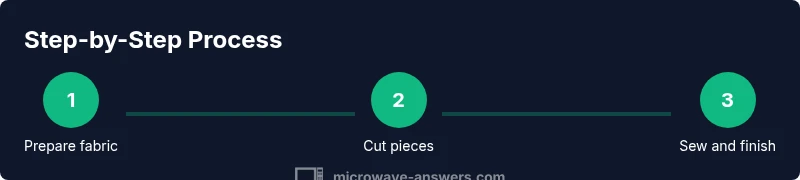
This section translates the free pattern into a finished cozy. Start by laying out the fabric pieces in the same orientation as your pattern. Cut two outer fabric pieces and one batting piece per the pattern. Layer the two fabric pieces with rights sides together and baste the batting between them for even thickness. Sew around the perimeter with a 1/4-inch seam, leaving a 3- to 4-inch turning gap. Trim corners, turn right side out, and press flat. Topstitch around the edge to close the turning gap and give a neat finish. Finally, test the fit on your bowl and adjust if necessary. If desired, add a decorative edge or a small pocket for a spoon, but ensure any added features do not compromise heat resistance.
Variations, Personalization, and Add-ons
Once you’ve mastered the basic cozy, experiment with variations. Use different fabric patterns (floral, geometric, solid colors) to match kitchen decor. Add a small loop or tab for hanging storage, incorporate a heat-resistant ribbon, or sew a second pocket to hold a spoon. For a warmer feel, consider a thicker batting, but remember that extra bulk can affect fit. If you’re sharing the pattern, include clear photos of each step and a printable pattern sheet with scale verification for different printer sizes. Personalization with initials or cute embroidery can make the cozy a thoughtful gift.
Care Instructions and Safety Considerations
Before using any microwave-safe cozy, confirm that all fabrics are cotton or cotton blends and free of metal. Wash and dry the cozy on a gentle cycle to prevent fabric distortion. Allow the cozy to cool before handling a hot bowl. Do not use materials that could melt or deform in the microwave, and avoid metallic threads or trims. Inspect the stitching periodically; a loose seam or frayed edge can compromise heat protection. The goal is a durable, machine-washable accessory that remains safe after repeated heating cycles.
Troubleshooting Common Issues and Quick Fixes
If the cozy feels too tight and won’t slide over the bowl, re-check the pattern size and consider increasing the pattern by a fraction. If the batting shifts during washing, baste or pin it more securely before the final stitch. Wrinkles after washing usually indicate improper pressing; re-press with medium heat and steam. For a lumpy texture, re-cut the batting and align layers carefully during the assembly. Remember to test a small sample of fabric and batting together to verify that they maintain shape and heat protection after washing.
Quick Project Checklist and Final Thoughts
Before you start, confirm you have all essential materials and the pattern printed at the correct scale. Wash fabrics, cut pieces, and lay out the layers. Sew the pieces, turn, and finish with a neat edge. Conduct a quick fit test with a standard microwave-safe bowl and adjust if needed. A well-made bowl cozy should feel sturdy, be easy to clean, and protect hands from hot bowls. Stop and re-check safety guidelines if you notice any fabric that could melt or scorch in the microwave. With a little practice, this free pattern becomes a reliable go-to project for everyday cooking and thoughtful gifts.
Tools & Materials
- Sewing machine(Standard machine with a straight stitch; a walking foot helps with thicker layers.)
- 100% cotton fabric (two outer layers)(Choose prints or solids that coordinate; prewash to prevent shrinkage.)
- Insulating batting(Light to medium weight; avoid heavyweight battings that bulk seams.)
- Matching thread(Use a color that blends with the outer fabric.)
- Sharp fabric scissors(Keep blades separate for cutting fabric and batting.)
- Pins or clips(Use to hold layers during stitching; remove before final seam line if needed.)
- Measuring tape or ruler(Accurate sizing is key to a good fit.)
- Iron and ironing board(Press seams and fabric flat for crisp finishing.)
- Optional: rotary cutter and cutting mat(For precise, faster cutting of fabrics and batting.)
- Optional: walking foot(Helps feed multiple thick layers evenly.)
Steps
Estimated time: 2 hours
- 1
Gather and prep materials
Collect the two outer fabric pieces and one batting piece per pattern. Prewash fabrics, press flat, and cut batting to the same size as the pattern pieces. This ensures clean edges and minimizes shrinkage after washing.
Tip: Lay out fabrics with rights sides together to visualize final orientation before cutting. - 2
Trace and cut pattern pieces
Place the pattern on fabric, trace seam allowances, and cut precisely. If you’re using a printable pattern, verify the scale with a printed test square.
Tip: Cut slowly to maintain accuracy; use a sharp blade for clean edges. - 3
Layer batting between fabric pieces
Position batting between the two fabric layers. Align edges and secure with a few pins or clips so the batting doesn’t shift during sewing.
Tip: Baste or pin along the perimeter to prevent displacement. - 4
Sew around the perimeter
With right sides together, sew around the edge using a 1/4-inch seam, leaving a 3–4 inch turning gap. Clip corners to reduce bulk, but do not cut into stitching line.
Tip: Backstitch at the start and end for durability. - 5
Turn and press
Turn the cozy right side out through the gap. Use a point turner or pencil to push corners sharp, then press flat with steam for a neat edge.
Tip: Close the turning gap with a final topstitch or a tiny hand-stitch concealment. - 6
Finish and test fit
Topstitch around the edge to secure the opening, then slip the cozy over a standard microwave bowl to check the fit. Adjust if needed by trimming seam allowances in the future pattern revisions.
Tip: If adding embellishments, test at a scrap stage first to ensure heat resistance remains intact.
Common Questions
Is a microwave bowl cozy pattern safe for use in the microwave?
Yes, when made with 100% cotton fabric and batting and without metal. Always inspect seams and avoid any metallic trims. This keeps heat contained and reduces direct contact with hot bowls.
Yes, use cotton fabrics and batting, and avoid metal to keep it safe for microwave use.
What fabrics should I avoid for this pattern?
Avoid synthetics that can melt, melt, or emit fumes in high heat. Stay with natural or natural-blend cottons and ensure fabrics are rated for repeated washing.
Avoid melting fabrics like certain synthetics; cotton is a safer choice for repeated microwaving.
Can I reuse scraps or leftovers for the cozy?
Yes, you can use clean fabric scraps in a coordinated color scheme. Make sure the scraps are compatible in weight and texture to maintain a uniform cozy.
Absolutely, just keep the fabric weight consistent so the cozy sits evenly.
What is the best batting weight for insulation?
A light to medium weight batting works well. Heavier battings add bulk and can affect fit, so choose a weight that balances warmth with ease of use.
Light to medium batting is usually best for balance between warmth and fit.
How should I wash and care for the cozy?
Machine wash on a gentle cycle and dry on low heat. Remove any embellishments that could detach, and re-press after washing to maintain shape.
Gentle wash and low heat drying keep it looking good and functional.
Can I add a pocket or decorative trim without compromising safety?
Yes, but ensure any add-ons are heat-safe and do not add metal. Keep the design simple to preserve heat protection and washable durability.
You can add pockets or trims if they’re heat-safe and don’t interfere with washing or heating.
Watch Video
Main Points
- Use cotton fabrics for durable, washable cozies.
- Verify fit by testing with a bowl before finalizing.
- Follow safe microwave guidelines to avoid heat hazards.
- Personalize with patterns or pockets without compromising safety.