DIY Microwave Trim Kit: Safe Installation Guide
Learn to install a DIY microwave trim kit safely with a clear, step-by-step guide, essential tools, safety tips, and troubleshooting for home kitchens today.


With a DIY microwave trim kit, you can refresh the exterior and achieve a snug cabinet fit. This quick answer highlights key checks, essential tools, and a safe, step-by-step approach. Ensure your kit matches your model, unplug the microwave before starting, and measure clearances carefully. For model-specific details and adjustments, refer to the full guide. Safety remains the priority throughout the process.
Understanding the DIY Microwave Trim Kit
A DIY microwave trim kit is an external faceplate system designed to cover gaps between a microwave and adjacent cabinetry. It can improve the appliance’s appearance and create a cohesive kitchen look. According to Microwave Answers, choosing the right trim kit starts with verifying compatibility with your microwave model, door type, and mounting dimensions. In practice, trim kits come with a bezel or frame, mounting screws, and may include side panels or decorative end caps. The kit should align perfectly with the oven opening and not interfere with ventilation. While aesthetics are a major driver, it’s essential to confirm that the trim kit does not obstruct any vents or sensor areas. The Microwave Answers Team emphasizes that a well-fitted trim kit should feel solid, align with the cabinet faces, and sit flush against both the microwave and surrounding materials. A poor fit can create small gaps that collect dust or affect door clearance over time.
Before purchasing, inventory your cabinet dimensions and compare them to the kit’s listed specifications. If you’re unsure about a model’s compatibility, consult the manufacturer’s documentation or contact the kit vendor for a fit matrix. A properly chosen trim kit reduces the risk of rattling, squeaks, or misalignment after installation, and it often requires only minor adjustments to achieve a clean finish.
Safety First: Hazards and Precautions
Safety should govern every step of a DIY trim-kit project. Begin by unplugging the microwave and allowing internal components to settle for a few minutes. Wear safety glasses to guard against loose screws or shavings. Work in a well-lit area on a stable surface to prevent slips or dropped parts. Never attempt to install a trim kit while the appliance is plugged in or energized. Keep metal tools away from the microwave’s interior where possible to avoid accidental contact with the shielding or internal components. If your kit involves cutting or trimming end caps, use proper tools and cut away from your body. Finally, double-check that any screws do not protrude into the interior of the cabinet or interfere with the hinge or door mechanism. The safety mindset reduces the risk of electrical shock, sharp edges, and improper ventilation.
Compatibility and Selecting the Right Trim Kit
Compatibility is the most critical factor in a successful installation. Review the microwave’s model number, the door type, and the opening dimensions before choosing a trim kit. Some models require specific trim widths or mounting hardware. If the kit provides a fit guide or a model matrix, compare all listed dimensions with your unit’s measurements. It’s also wise to check ventilation clearances around the top, sides, and back of the unit; a tight fit can trap heat and affect performance. When in doubt, choose a trim kit labeled as broadly compatible with multiple models or one that explicitly lists your exact model number. The brand manufacturer’s instructions or support line can confirm compatibility and provide model-specific mounting tips. While aesthetics drive the selection, ensuring proper fit, ventilation, and door clearance are non-negotiable for longevity and safety.
Measuring and Preparing the Installation Space
Accurate measurement determines whether the trim kit will fit cleanly. Start with the overall cabinet opening width and height, then confirm any protrusions or overlapping shelves that could collide with the trim components. Use a tape measure to verify side clearance and the depth of the cabinet face. Check the position and spacing of mounting holes on the microwave and compare them to the trim kit’s hole pattern. Mark the work area with painter’s tape to prevent scuffs and to help align screws or brackets during installation. If you find any irregularities, consider adjusting the cabinet face or selecting a different trim kit that aligns with your opening. A careful prep routine reduces the need for rework and ensures a straight, factory-like finish.
Tools, Hardware, and Prep Workflow
A smooth workflow relies on having the right tools ready and a clean workspace. Gather a Philips-head screwdriver, a tape measure, a level, a soft cloth for cleaning, masking tape for alignment, and safety glasses. Inspect the trim kit’s included mounting screws, brackets, and end caps—confirm there are no missing parts. Clean the mounting surface and cabinet edges to remove grease or old adhesive remnants that could interfere with a flush fit. If the kit includes shims or spacers, decide in advance where they’ll be used to preserve proper alignment. Finally, arrange all components in a logical sequence to minimize back-and-forth during installation and ensure a single-pass mounting approach where possible.
Step-by-Step Overview: What to Expect
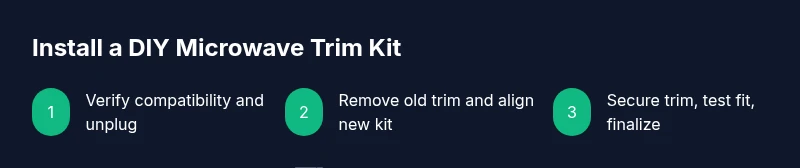
This section provides a high-level view of the installation flow so you approach the project with a clear plan. Start by verifying compatibility and unplugging the unit, then remove the existing trim piece and clean the mounting surface. Align the new trim with mounting holes, secure with screws, and check door clearance and vent openings. If shims are included, use them to adjust alignment, ensuring a flush, even appearance around the edges. Reattach any end caps or side panels, perform a test run of the microwave (without food) to ensure the door opens and closes smoothly, and finally reinstall the faceplate and knobs if applicable. Expect a 60-90 minute window for a careful, accurate job. For repeatable results, document each screw position and alignment reference for future maintenance.
Common Mistakes and How to Avoid Them
Avoid common pitfalls that compromise fit and safety. Do not skip compatibility checks—an incompatible trim kit will not align with holes or may block ventilation. Do not rush alignment; take time to level the trim piece and verify it sits flush with cabinet faces before tightening screws. Avoid over-tightening screws, which can crack trim pieces or strip mounting holes. Do not neglect vent openings or sensor areas; a blocked vent can cause overheating. Finally, avoid leaving screws loose; a secured, finished look requires torque that holds the trim steady without stressing mounting points.
Cleaning Up and Final Checks
After installation, perform a final inspection for gaps, misalignment, and smooth operation. Wipe the trim with a soft cloth to remove fingerprints or dust. Power the microwave back on and test all functions, including door operation and venting clearance around the trim. Listen for any rubbing or rattling noises that might indicate a loose component. If you notice gaps or misalignment, address them immediately by tightening or repositioning screws. Document model, trim kit, and dates of installation for future reference.
Accessories and Maintenance Considerations
Some trim kits include decorative end caps or vent covers that may require periodic cleaning. Check the finish periodically for fading or peeling and avoid harsh solvents that could damage coatings. If you notice wear around mounting holes, inspect for cracks or loosened screws and replace parts as needed. Regular checks help maintain a polished look and promote long-term functionality.
Tools & Materials
- DIY microwave trim kit (model-compatible)(Ensure kit matches your microwave model and door type)
- Phillips head screwdriver #2(For mounting screws)
- Measuring tape (at least 12 inches)(To verify fit and clearance)
- Safety glasses(Eye protection during disassembly)
- Masking tape(Marking screw positions and alignment)
- Soft cloth or mild cleaner(Clean surface before installation)
Steps
Estimated time: 60-90 minutes
- 1
Verify compatibility and unplug
Power off the microwave and unplug it. Double-check the trim kit compatibility against your model number and door type to avoid misfit. This upfront check saves time and avoids risky adjustments later.
Tip: Keep model numbers handy and compare with the kit’s fit matrix before touching hardware. - 2
Remove existing trim and inspect mounting surface
Carefully remove the current trim pieces and lay them aside. Wipe the mounting surface with a soft cloth to remove grease, which helps new trim sit flush. Inspect holes and brackets for damage before proceeding.
Tip: Take photos during removal to reference screw locations during reassembly. - 3
Position new trim and align mounting holes
Position the new trim kit against the cabinet opening and align its screw holes with the microwave mounting points. Use masking tape to mark alignment so you can check fit from several angles before tightening.
Tip: Check that vent openings remain unobstructed and that the trim sits evenly along all edges. - 4
Attach trim with screws and bracket as required
Starting with the corners, loosely thread screws to keep the trim in place. Once aligned, tighten incrementally to avoid warping. If the kit includes brackets or spacers, install them per the manufacturer’s instructions.
Tip: Tighten screws gradually and evenly to maintain a flat surface. - 5
Install end caps or decorative elements
If your kit includes end caps or decorative pieces, snap or screw them into place after the main trim is secure. Ensure corners are snug and there are no visible gaps.
Tip: Handle end caps with care to avoid cracking coatings. - 6
Test fit and door clearance
Reconnect power and run a no-load test cycle to ensure the door opens and closes smoothly. Verify there is no rubbing against cabinets or the trim. Recheck alignment and tighten any loose screws as needed.
Tip: Do a visual check from multiple angles to confirm flush alignment. - 7
Final inspection and cleanup
Perform a final wipe-down of the trim and surrounding surfaces. Confirm there are no loose components and that ventilation is unobstructed. If satisfied, complete the project with a quick label of installation date for future reference.
Tip: Keep documentation with the microwave for warranty or future servicing. - 8
Document and store spare hardware
Store any extra screws, spacers, or end caps in a labeled container. Note down model compatibility and installation notes for future maintenance or upgrades.
Tip: A small hardware box helps prevent loss of parts after long-term use.
Common Questions
Do I need professional help to install a diy microwave trim kit?
Not usually, but you should verify compatibility and follow safety guidelines. If you’re unsure about any step, consult a professional to prevent damage or injury.
You can usually do this yourself, but double-check compatibility and safety guidelines. If unsure, contact a pro.
Will installing a trim kit affect my microwave warranty?
Some manufacturers may void warranties for aftermarket trim kits. Always check your warranty terms and confirm kit compatibility with the manufacturer.
Check your warranty terms; many warranties can be affected by aftermarket trim kits.
Can I paint or customize the trim kit to match my kitchen?
Painting or modifying the trim kit is generally not recommended, as it can affect fit, finish, and safety.
Customizing color is usually not advised because it can impact fit and safety.
What are common mistakes to avoid during installation?
Skipping compatibility checks, rushing alignment, over-tightening screws, and not testing clearance can lead to a poor fit or damage.
Avoid skipping checks, rushing alignment, and not testing clearance.
How do I know if a trim kit fits my microwave model?
Always verify the kit’s compatibility with your exact model number and measure mounting holes and cabinet clearance before buying.
Verify the model and measure mounting holes and clearance before buying.
What should I do if the trim kit doesn’t align perfectly after installation?
Power down the unit, re-check alignment references, and adjust with brackets or spacers as recommended by the kit maker.
If it doesn’t align, re-check references and adjust per the kit instructions.
Watch Video
Main Points
- Verify compatibility before purchasing to avoid fit issues.
- Unplug the unit and follow safety precautions at every step.
- Align trim flush with cabinet edges for a clean finish.
- Test door clearance and vent access after installation.
- Document installation details for future maintenance.