Cooking Eggs in a Microwave Oven: Quick Guide
Master safe, speedy egg cooking with a microwave oven. This guide covers scrambled, poached, and boiled-style eggs, safety tips, timing, and flavor ideas for quick, reliable results.


You can cook eggs in a microwave oven in minutes by using a gentle beat, a splash of liquid, and a vented dish. Start with whisked eggs in a microwave-safe bowl, cover loosely, and microwave in short bursts, stirring between intervals until fully set. This method reduces mess and avoids rubbery texture. With a 1000-watt microwave, 1-2 eggs take about 60-90 seconds plus brief pauses.
Why microwaving eggs works for quick meals
When you need a fast, protein-packed meal, cooking eggs microwave oven style can be a lifesaver. The approach is simple: mix eggs with a little liquid, place them in a microwave-safe dish, and heat in short bursts while monitoring texture. This method minimizes pots to wash and makes breakfast, snacks, or light dinners doable in minutes. Microwave Answers analysis shows that with proper technique you can get consistent results in under ten minutes from start to finish, depending on quantity and wattage. The key is controlling moisture and heat so the eggs set evenly without turning rubbery. Whether you’re scrambling, poaching, or aiming for a soft-boiled finish, this method adapts to many preferences and schedules.
Safety fundamentals for microwaving eggs
Eggs are a versatile base, but microwaving them requires caution. Steam buildup from rapid heating can cause splatter or, in worst cases, an explosion if the eggs are in their shells. Always use microwave-safe containers and vent the cover to let steam escape. If you’re reheating leftovers, ensure they reach a safe internal temperature. For additional protection, start with a lower power level and increase as needed. This approach helps preserve texture and prevent overcooking, which can lead to dry, rubbery results that are difficult to salvage.
Scrambled eggs in the microwave: a reliable method
Scrambled eggs in the microwave are a staple for a quick breakfast or a light dinner. Beat eggs with a splash of water or milk, and a pinch of salt and pepper. Pour into a buttered microwave-safe bowl, cover loosely, and heat in short bursts, usually 15-30 seconds at a time, stirring after each interval. Repeat until the eggs are just set with a soft curd. The texture should be moist but firm, not runny or chalky. Finishing with a quick stir releases steam and evens out the heat, giving you a fluffy result without drying out.
Poached eggs in the microwave: simple and neat
Microwaved poached eggs can be a satisfying alternative to traditional stovetop methods. Add about 1 inch of water to a microwave-safe cup or ramekin, crack in an egg, and vent the dish by covering loosely or piercing a tiny hole in the lid. Microwave in short intervals (20-40 seconds depending on wattage), checking for a firm white with a yolk that still has a slight wobble. If needed, give it a few more seconds. Drain carefully and serve on toast with a pinch of salt and pepper.
Soft-boiled and hard-boiled eggs using the microwave (shell-safe approach)
Cooking eggs in the microwave without cracking can be risky due to steam pressure. A safer method is to shell the eggs first or use pre-cooked, peeled eggs placed in a shallow dish with a small amount of water. Heat briefly until the whites overset and the yolk reaches your preferred doneness. This approach minimizes the chance of explosion and gives you more predictable results than trying to cook eggs in shells directly in the microwave.
Timing, wattage, and doneness: dialing it in
Wattage varies by model, so use a short-interval approach and check doneness frequently. Start with medium settings and small time increments, then pause to test texture. The goal is to reach a safe, creamy texture without overcooking. If you notice the surface turning dry or the edges curling away, reduce the time or power slightly and adjust next batch accordingly. Remember, eggs continue to cook a little after you remove them from heat, so aim for slightly underdone when removing from the microwave.
Flavor twists and toppings you can microwave with eggs
Once you’ve mastered the basics, add flavors in the last 10-20 seconds of cooking: shredded cheese, chopped herbs, salsa, or a dollop of cream cheese can elevate the dish. For a savory boost, stir in diced vegetables, cooked bacon bits, or a touch of pesto. If you’re watching calories, garnish with fresh greens and lemon zest instead. The microwave’s speed makes experimenting with toppings quick and convenient, perfect for home cooks who want variety without extra cookware.
Common mistakes and how to fix them
Common errors include overcooking, which creates rubbery texture; undercooking, which leaves a runny center; and using a tight lid that traps too much steam. Use a vented cover, stir between intervals, and adjust power based on batch size. Another pitfall is using too much liquid, which can make the eggs watery; use just a splash or a small amount of milk. Finally, always start with fresh eggs and follow food safety guidelines to avoid spoilage or bacterial growth.
Storing, reheating, and safety tips for leftovers
Leftover microwaved eggs can be stored in the refrigerator for up to three days in an airtight container. Reheat gently in short bursts, stirring occasionally, until hot all the way through. Do not reheat more than once, and discard any leftovers that smell off or have a strange texture. When in doubt, heat to a safe internal temperature to reduce the risk of foodborne illness, and use a food thermometer if available.
Tools & Materials
- Microwave-safe bowl(Glass or ceramic with a flat base)
- Whisk or fork(For beating eggs evenly)
- Microwave-safe plate or vented lid(Loosely cover to prevent splatter)
- Water or milk(Add a splash to improve texture)
- Salt and pepper(Optional for seasoning)
- Food thermometer (optional)(Check doneness safely when in doubt)
Steps
Estimated time: 5-10 minutes
- 1
Beat eggs with liquid
Whisk 2 eggs with 1-2 teaspoons of water or milk, plus salt and pepper until well combined. This introduces moisture and helps prevent a dry final texture.
Tip: Beat vigorously for about 15 seconds to aerate the mixture. - 2
Pour into a prepared dish
Lightly coat a microwave-safe bowl with butter or oil. Pour in the beaten eggs and spread evenly to promote uniform cooking.
Tip: Even thickness ensures consistent doneness from center to edge. - 3
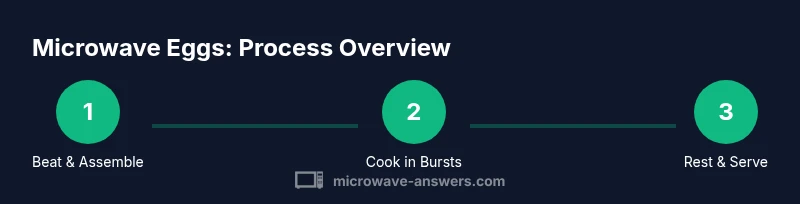
Cook in short bursts
Cover loosely and microwave on medium power for 20-30 seconds, then stir gently. Repeat until the eggs are almost set but still a bit moist in the center.
Tip: Stirring redistributes heat and prevents hotspots. - 4
Check doneness and finish
Let the eggs rest for 30 seconds after the last burst; check that they are fully set and no liquid remains. If needed, microwave 5-10 seconds more.
Tip: Remember, eggs will continue to cook slightly off-heat. - 5
Add toppings and serve
Stir in cheese, herbs, or other toppings just before serving. A quick final stir helps distribute heat and flavors.
Tip: Choose toppings that complement your egg texture for best results. - 6
Clean and store leftovers
Cool briefly, then transfer to an airtight container if unused. Refrigerate promptly and reuse within 3 days.
Tip: Always refrigerate within two hours of cooking to reduce bacteria growth.
Common Questions
Can you cook eggs in the microwave?
Yes. You can scramble, poach, or soft-cook eggs in a microwave using short intervals and a vented dish. Always use microwave-safe containers and avoid shells.
Yes, you can cook eggs in the microwave safely with short intervals and proper containers.
Are microwave eggs safe to eat?
Eggs cooked in the microwave are safe when heated to a safe internal temperature and not left in the danger zone too long. Use a thermometer if unsure.
Yes, as long as they’re heated properly and not left warm too long.
What is the best power setting for microwaving eggs?
Use short bursts at a medium or lower power, then check doneness frequently. This minimizes overcooking and gives a creamier texture.
Medium or reduced power with short bursts works best.
How long do eggs take in the microwave?
Total time depends on quantity and wattage, but most single- or double-egg batches finish in a few minutes with frequent checks.
Most batches finish in a few minutes with careful checking.
Can I microwave eggs in their shells?
Cooking eggs in shells in a microwave is not recommended due to pressure buildup and risk of explosion. Always crack and cook in a dish.
Do not microwave eggs in shells; crack them first.
How can I prevent rubbery eggs?
Add a splash of liquid and cook in short bursts, removing early if needed. Let the eggs rest briefly after cooking to finish carryover heat.
Use short bursts and a little liquid to keep them tender.
Main Points
- Vent containers to prevent splatter
- Use short bursts and stir often
- Aim for just-set eggs for best texture
- Avoid cooking eggs in shells
- Refrigerate leftovers promptly