How to Get Burn Smell Out of Microwave
Learn safe, step-by-step methods to remove burned odors from your microwave using steam, vinegar, lemon, and baking soda. Practical tips for home cooks and homeowners.


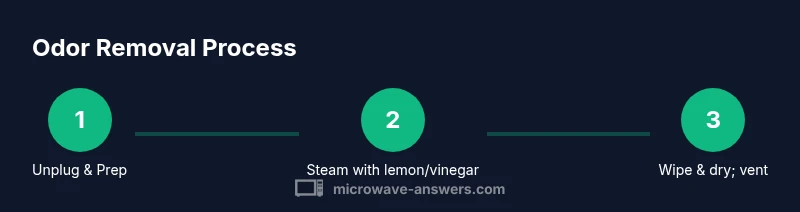
To remove a burn smell from a microwave, unplug the unit and remove the glass turntable. Wipe the interior with warm dish soap, then use a steam treatment with water plus lemon slices or white vinegar. Run a short cycle, then wipe again and air-dry. For stubborn odors, repeat with baking soda, and finish with a quick vent to dissipate remaining fumes.
Why Burn Odors Happen in Microwaves
Burn odors usually come from cooking or reheating foods that burn or char on the edges. When sugar, fat, or dairy scorch, they release volatile compounds that cling to the interior walls and seals. Heat can push these molecules into porous surfaces and the turntable well, creating a persistent smell even after cleaning. According to Microwave Answers, understanding the source helps you choose the right remedy rather than masking the scent with strong fragrances. If your microwave shows smoke or a burning odor, prioritize safety and ventilate the area before attempting cleaning.
A lingering odor often means there’s residue tucked in corners, behind the turntable ring, or around the door gasket. Odor compounds can adhere to plastic and rubber seals, and heat accelerates their release on subsequent uses. For home cooks, the goal is not only to deodorize but to refresh the interior so it functions safely and reliably. The Microwave Answers Team recommends starting with a gentle, non-abrasive approach and only escalating if odor persists after a thorough cleaning.
Quick checks before you start
Before diving into cleaning, perform a quick safety check. Unplug the microwave and allow it to cool completely. Remove the glass turntable and any accessories so you can reach every surface. Ensure the area is well-ventilated; open a window or turn on the exhaust fan. If you notice smoke, stop and unplug again, then wait for it to dissipate before continuing. These steps protect you from burns and damage to the magnetron. If a lingering smell remains after cooling, you’ll have a clearer path for the deodorizing steps below.
Steam-and-clean methods for odor removal
There are several steam-based methods that release trapped odors without harsh cleaners. Each method uses common kitchen ingredients and a microwave-safe container. Choose one approach at a time and avoid mixing chemicals.
Lemon steam method
- Fill a microwave-safe bowl with 1 cup water and a few lemon slices. The lemon’s essential oils help neutralize odors and leave a fresh scent. Microwave on high for 3–5 minutes, then let it sit closed for 2–3 minutes to trap the steam. Carefully remove the bowl and wipe down interior surfaces with a clean cloth.
Vinegar steam method
- Combine 1 cup water with 2 tablespoons white vinegar in a microwave-safe bowl. The acidity helps break down oils that cause odors. Microwave on high for 3–4 minutes, close the door for 5 minutes, then wipe clean with a damp cloth. Rinse lightly with water if you notice any vinegar aftertaste.
Baking-soda deodorizing aftersteam
- After steaming with lemon or vinegar, sprinkle a small amount of baking soda on a damp sponge and wipe the interior, focusing on corners and the door gasket. Wipe with a clean damp cloth to remove residue, then dry. Baking soda absorbs residual odors and helps balance pH.
If the odor is exceptionally strong, you can repeat these steam cycles, allowing a cool-down period between runs. Avoid using harsh chemical cleaners inside the cavity, as fumes can linger and mix with food odors.
Dealing with stubborn odors and safety tips
Persistent smells may stem from residue in hard-to-reach areas like the turntable ring slot or the door seal. Use a soft brush or cotton swab to reach crevices, then wipe with a vinegar-water solution followed by a clean water rinse. Do not use abrasive pads that could scratch the interior. Safety first: never operate the microwave with the door open, and avoid metal containers that can cause arcing. Bleach, ammonia, or other strong cleaners should not be used inside the appliance.
If you detect smoke or burning again during any cleaning step, stop immediately, unplug the unit, and allow it to cool. Do not attempt a high-heat test right after a strong odor—the magnetron and other components can be sensitive to rapid heating changes.
Maintenance to prevent future odors
Prevention is easier than deodorization. Wipe the interior regularly after cooking strongly scented foods like fish or curry. Use a microwave cover to reduce splatter, and avoid reheating food that is likely to burn. Clean the interior weekly with a mild soap solution, then dry completely to prevent moisture buildup. For odor-prone kitchens, place an open box of baking soda or a small bag of activated charcoal nearby to absorb stray smells when the microwave isn’t in use. According to Microwave Answers analysis, regular venting and cleaning reduce odor buildup and extend appliance life.
When to replace or consult repair
If your microwave still smells after thorough cleaning and odor removal attempts, there could be a gasket or seal issue, or internal components may have degraded. In such cases, schedule service with a qualified technician to diagnose possible magnetron or door-seal problems. Persistent odors accompanied by reduced heating performance or unusual noises should not be ignored. If the unit is older or frequently affected by odors, consider replacement as a cost-effective safety measure. The Microwave Answers Team recommends evaluating both odor persistence and performance to decide the best path forward.
Tools & Materials
- Dish soap(Mild, non-abrasive; warm water for soaking and wiping)
- White vinegar(Common household vinegar (5–8%))
- Water(Fresh, clean water for steam)
- Lemon slices (optional)(Adds fresh scent and deodorizing oils)
- Baking soda(Absorbs odors; use sparingly)
- Microwave-safe bowl(Ceramic or glass; no metal)
- Sponge or microfiber cloth(For wiping and drying)
- Coffee grounds or activated charcoal (optional)(Extra odor absorption)
- Ventilation (exhaust fan or open window)(Improve air circulation during cleaning)
Steps
Estimated time: 15-30 minutes
- 1
Unplug and prep
Unplug the microwave and allow it to cool completely. Remove the glass turntable and any accessories to expose all interior surfaces for cleaning. Gather your cleaning agents and plan which deodorizing method to use first.
Tip: Let it cool fully to avoid burns when handling the interior. - 2
Wipe loose residue
Wipe down the exterior and interior surfaces with a damp cloth to remove loose splatters. Clear the turntable slot and door edges where crumbs can hide. This creates a cleaner baseline before steam treatments.
Tip: Use warm soapy water to lift oils without smearing them. - 3
Prepare steam solution
Choose lemon or vinegar steam. Fill a microwave-safe bowl with 1 cup water and either lemon slices or 2 tablespoons white vinegar. This step uses steam to loosen trapped odors.
Tip: Avoid filling the bowl higher than halfway to prevent boiling over. - 4
Steam the interior
Place the bowl in the center and run on high for 3–5 minutes. Let the door remain closed for an additional 2–3 minutes to trap the steam and saturate odors.
Tip: If your microwave is very dirty, run a shorter initial cycle and repeat. - 5
Wipe and dry
Carefully remove the bowl and wipe the interior with a clean cloth while the surfaces are still warm. Rinse the cloth and wipe again to remove any remaining vinegar or lemon oils. Dry completely with a fresh cloth.
Tip: Drying prevents new odors from forming while cooling. - 6
Deodorize with baking soda
Dampen a sponge with water and sprinkle a light dusting of baking soda. Wipe corners, the gasket, and the turntable well. Rinse and wipe once more to remove any baking soda residue.
Tip: Do not scrub aggressively; baking soda can abrade if used with rough pads. - 7
Vent and finish
Open the door to vent for several minutes, allowing any remaining fumes to escape. Return the turntable and accessories, then run a quick short test cycle with a clean container to ensure no lingering smells.
Tip: A short test run confirms the deodorizing work without a full cook cycle.
Common Questions
Why does my microwave smell burnt after reheating food?
Burn odors come from scorched sugars and fats and from residue that gets heated each time. Cleaning with steam and deodorizing agents helps remove trapped molecules.
Burn odors usually come from scorched food and residue.
Is it safe to use bleach to remove odor?
No. Bleach can release harmful fumes in a microwave and should not be used. Stick to vinegar, baking soda, and steam instead.
Bleach is not safe to use inside a microwave.
Can I run the microwave empty to blow out the smell?
Running an empty microwave can damage the magnetron and is not effective for odor removal. Use a steam method with water and a deodorizer.
Running it empty is not advised and can damage it.
How long should I run a steam-clean cycle?
A typical steam cycle lasts 15-25 minutes depending on odor intensity. Do not exceed 30 minutes and allow cooling between attempts.
Steam cycles are usually 15-25 minutes.
Will the odor come back after cleaning?
If residue remains in seals or crevices, odors can linger or reappear. Regular cleaning reduces this risk.
Odors can return if residue remains.
When should I replace the microwave due to odor?
If odors persist after thorough cleaning or if reheating performance worsens, consult a technician or consider replacement.
Persistent odors after cleaning may indicate a malfunction.
Is it safe to use essential oils in the microwave?
Avoid essential oils. They can heat up and catch fire or leave strong residues.
Essential oils aren’t safe in microwaves.
Watch Video
Main Points
- Act quickly to remove odors
- Use steam cleaning with safe agents
- Ventilate and dry thoroughly
- Avoid harsh chemicals like bleach
- Regular maintenance prevents odors