How to Clean Microwave Vent Filter: A Practical Guide
Learn the safest, most effective steps to clean your microwave vent filter. This practical guide covers tools, methods, frequency, and troubleshooting to keep your appliance running efficiently.


Learn how to clean microwave vent filter in six simple steps to restore airflow, reduce odors, and extend the life of your microwave. This guide covers what you’ll need, safety basics, and tips for different filter types. With clear actions and time estimates, you can complete the task in under an hour.
Why cleaning the microwave vent filter matters
Keeping your microwave vent filter clean isn't just about a fresh kitchen scent. A clogged vent filter restricts exhaust airflow, causing the microwave to work harder, which can shorten its life and degrade cooking performance. The phrase how to clean microwave vent filter refers to a few basic actions that remove grease, steam residue, and dust from the filter media. Regular cleaning reduces buildup that can transfer flavors to foods and helps maintain efficient venting and cooling. For most homes, cleaning every 1–3 months is sufficient, but frequency depends on usage and cooking styles. A cleaner vent ensures more effective steam removal, fewer appliance odors, and safer operation during heavy cooking bursts.
Locating the vent filter and understanding its type
Most over-the-range microwaves and some countertop models place the vent filter behind a grille or inside the exhaust duct. Some filters are aluminum mesh, others are charcoal-based, and a few are disposable. Identify your model by checking the user manual or the inside of the vent area for a removable panel. If the filter is labeled 'washable,' you can clean it with soap and water; if not, you’ll replace it when it becomes dark or discolored. Knowing the filter type helps you choose the right cleaning method and avoid damage. Charcoal filters, for example, are not washable and should be replaced rather than scrubbed; the vent’s performance depends on choosing the right replacement when needed.
Safety first: unplug, inspect, and prep
Before any cleaning, unplug the unit and wait for the magnetrons to cool. Wear gloves to protect your hands from sharp edges and hot water. Have a container ready to soak the filter if it’s washable, and prepare a sink or basin with warm, soapy water. Never use harsh cleaners on charcoal filters, and avoid immersing non-washable parts. A quick wipe with a damp cloth can remove surface grease before deeper cleaning. If your unit is installed under cabinets, ensure you have ample space to maneuver and avoid contact with cabinet surfaces.
Cleaning options: dry wipe, wash, or soak
Grease and oil on vent filters can be removed in several ways:
- Dry wipe: Use a dry microfiber cloth or soft brush to loosen loose grease near the outer surfaces.
- Wet wash: Submerge the filter in warm water with a few drops of dish soap and scrub gently.
- Soak and scrub: For stubborn buildup, soak for 10–15 minutes, then scrub with a soft-bristle brush.
Always avoid abrasive pads that could damage the filter media. Rinse thoroughly and dry completely before reinstalling. When in doubt, consult your model’s care guide to confirm washable vs. non-washable components.
Step-by-step overview of the cleaning approach
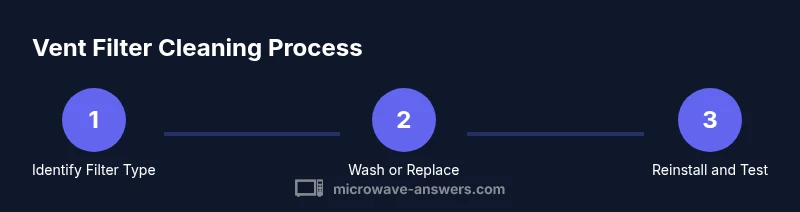
Begin by confirming whether your vent filter is washable. Remove the grille or housing panel, then take out the filter and inspect for tears or mold. If it's washable, follow a gentle washing routine and allow thorough drying on a clean surface. If it’s disposable or non-washable, set it aside and prepare a replacement. After cleaning or replacing, reinsert the filter, reassemble the housing, and run a quick test with a small amount of steam to verify proper airflow. This overview keeps you aligned with safety and appliance longevity.
Drying, inspection, and reinstallation tips
Air drying is usually sufficient, but you can speed up with a clean towel and fan. Inspect for warping, torn edges, or grease that returns quickly after cleaning—these are signs it’s time to replace. Reinstall the filter with the correct orientation, ensuring a snug fit under the grille. Run the microwave at low power for a minute to confirm airflow. If you notice reduced suction or unusual noises, stop and recheck connections.
How often to clean and keep a maintenance schedule
A light kitchen uses the vent filter on a periodic basis; aim for a quarterly clean. In homes with frequent frying or heavy steam, monthly cleanings may be better. Mark the calendar with the cleaning window and note the filter type (washable vs non-washable) and any signs of wear. Keeping a simple log helps you track replacements and ensure you’re not missing essential maintenance.
Troubleshooting odors, mold, and reduced airflow
Persistent odors after cleaning can indicate trapped grease in hidden parts or a mold issue. If you smell burning or chemical-like odors, pause and inspect seals and the interior of the vent duct. For visible mold, do a focused wipe with a mild cleaner and dry thoroughly; if it recurs, replace the filter and check for moisture sources in the cabinet. Reduced airflow despite a clean filter usually means a blocked duct or a non-washable filter in need of replacement.
Extending life: replacement cues and ongoing care
Even with careful cleaning, vent filters have a limited lifespan. Replace non-washable charcoal filters on a schedule and washable types when grease buildup becomes obvious. Regularly wipe the surrounding grille, check seals, and avoid splashing water into the microwave cavity. The result is consistent venting, better appliance performance, and less kitchen odor. The Microwave Answers team encourages homeowners to pair routine cleaning with a simple replacement plan to keep kitchens safe and efficient.
Tools & Materials
- Dish soap(Gentle dish soap helps cut grease without harming the filter material)
- Warm water(Use enough water to submerge washable filters in a basin)
- Soft sponge(Non-abrasive, for gentle scrubbing)
- Soft-bristle brush(Gets into grooves without damaging media)
- Toothbrush (optional)(For tight corners and corners)
- Microfiber cloth(Drying and buffing after cleaning)
- Basin or large bowl(For soaking washable filters)
- Gloves(Protect hands from grease and hot water)
Steps
Estimated time: 60-90 minutes
- 1
Power down and unplug
Unplug the microwave and allow it to cool completely before handling. This prevents electrical shock and protects you from hot surfaces. Keep cords away from water and remove nearby items to create a safe workspace.
Tip: Having a small tray for screws or clips helps you avoid losing fasteners. - 2
Remove the vent cover and filter
Gently remove the front grille or vent cover following your model's manual. Take out the filter and inspect its condition. If it’s disposable, set it aside for replacement; if washable, place it in the cleaning basin.
Tip: Take a quick photo of the assembly before removal to help during reinstallation. - 3
Check filter type and condition
Look for a label indicating washable or non-washable. Inspect for tears, warping, or visible mold. If the filter is non-washable or damaged, plan for replacement rather than cleaning.
Tip: Do not attempt to clean a charcoal filter—replacement is the safer option. - 4
Clean the filter using the chosen method
For washable filters, wash with warm soap water and scrub gently with a soft brush. Rinse until the water runs clear and shake out excess moisture. For non-washable filters, wipe with a damp cloth and set aside for replacement.
Tip: Avoid abrasive pads that could damage the mesh or media. - 5
Dry completely and inspect again
Air-dry the filter on a clean surface until fully dry. Check for any remaining grease or odors; if detected, repeat cleaning or replace as needed. Do not reinstall a wet filter.
Tip: Allow at least 60 minutes of air-drying in a well-ventilated area. - 6
Reinstall and test airflow
Reinsert the filter with the correct orientation and reattach the vent cover. Run a quick test by microwaving a small amount of water to confirm airflow and check for unusual smells or noises.
Tip: If airflow seems poor, double-check seals and the filter seating.
Common Questions
How often should I clean the microwave vent filter?
For light usage, a quarterly cleaning is common. In busy kitchens with frequent frying or steaming, monthly cleanings may be more effective. Always tailor frequency to your appliance and cooking habits.
Most people clean their vent filter about every three months, but if you cook a lot with fried foods, consider cleaning monthly.
Can I clean a charcoal vent filter, or should I replace it?
Charcoal filters are typically not washable. If you see discoloration or persistent odors, replace the filter rather than attempting a wash. Check your model’s guidance for replacement intervals.
Charcoal filters usually aren’t washable; replace them when they look dirty or after odor issues.
Is it safe to use harsh cleaners on the vent filter?
Avoid harsh or abrasive cleaners on vent filters, especially if they are fabric or mesh-based. Gentle dish soap and warm water are usually sufficient for washable filters.
Use mild soap and warm water; don’t use strong cleaners that could damage the filter.
What signs indicate the vent filter needs replacement?
Tears, holes, warped frames, persistent odors after cleaning, or obvious grease buildup that returns quickly are all signs a filter should be replaced.
Look for tears or warping, persistent smells after cleaning, or grease that comes back quickly—it's time to replace.
What if my microwave vent filter is non-washable?
If your filter isn’t washable, plan for replacement on a suitable schedule and avoid scrubbing or soaking it. Follow manufacturer recommendations for replacement intervals.
If it isn’t washable, replace it on the recommended schedule and don’t scrub it.
Watch Video
Main Points
- Keep vent filters clean to maintain airflow and appliance life
- Identify filter type before cleaning to avoid damage
- Use gentle cleaning methods and thorough drying
- Replace non-washable filters rather than attempting to wash
- Document maintenance for ongoing care