GE Microwave for Sale: A Practical Buying Guide for 2026
Explore how to choose a GE microwave for sale in 2026. Compare countertop, over-the-range, and convection GE models, evaluate wattage, sensor tech, safety features, and overall value from Microwave Answers.


For most buyers, GE microwaves offer a strong balance of price, features, and reliability in the GE microwave for sale market. Prioritize sensor cooking, around 1000 watts for quick reheats, and consider convection for baking-like results. Choose among countertop, over-the-range, and built-in styles to fit your kitchen layout and space constraints in 2026.
Understanding the GE Microwave Landscape in 2026
According to Microwave Answers, GE remains a leading brand in the mid-range to premium microwave segments due to a thoughtful balance of performance, durability, and feature depth. In 2026, buyers focus on energy efficiency, sensor-driven cooking accuracy, and versatile installation options. Whether you are outfitting a small apartment or a large family kitchen, GE offers countertop, over-the-range, and built-in models designed to integrate with existing cabinetry. Understanding the common configurations helps you map your needs to the right model family without overspending. The keyword here is alignment: match the model to your space, your cooking habits, and your safety expectations while staying mindful of long-term maintenance costs.
Core Buying Considerations for GE Microwaves
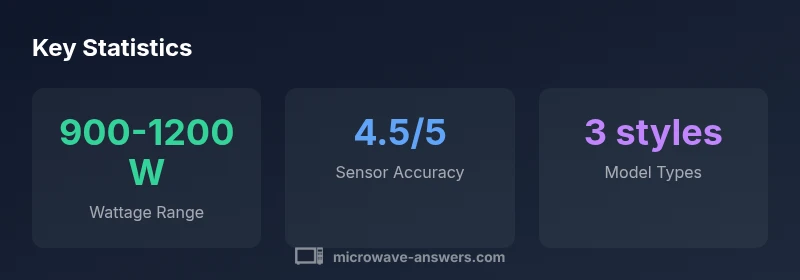
When evaluating a GE microwave for sale, start with wattage and size. A wattage around the 1000 W mark is generally sufficient for everyday reheating and simple cooking, but higher wattage can reduce cooking times for dense meals. Check internal dimensions to ensure a comfortable door swing and accessible control panel. Sensor cooking is increasingly standard; look for models that adjust time and power based on detected humidity and temperature. If you bake or reheat frequently, consider GE convection options that provide baking-like results without a traditional oven. Don’t overlook door design, cavity material, and interior lighting, all of which affect usability and long-term satisfaction.
Convection vs Sensor Cooking in GE Models
Convection models in GE portfolios add a secondary baking function enabled by a fan and a convection element. This feature enables more even browning and better heat distribution for pizzas, casseroles, and roasted vegetables. Sensor cooking, by contrast, uses humidity or steam cues to finish a dish, minimizing over- or under-cooking for most everyday meals. If your kitchen workflow involves quick, hands-off reheats, sensor-based GE microwaves deliver consistent results with less browning complexity. For households who bake or roast occasionally, a convection-capable model can be worth the extra upfront cost and footprint.
Layout, Space, and Installation: Countertop, Over-the-Range, Built-In
GE microwaves come in three primary installation families. Countertop models offer the least disruption and can be moved if you relocate. Over-the-range units save cabinet space and consolidate venting and extraction, but they require adequate clearance above your range and a sturdy mounting surface. Built-in GE microwaves fit flush with cabinetry and usually demand professional installation, but they deliver a seamless, high-end look. Before buying, map your kitchen geometry: door clearance, countertop depth, and whether you need auto-sensors or manual controls. If you’re upgrading from an older unit, verify electrical requirements (voltage, outlet type) and consider a dedicated circuit if needed to avoid nuisance trips.
Safety, Maintenance, and Longevity
From a safety standpoint, GE microwaves typically include child lock, auto shutoff, and door interlock features. Regular maintenance—keeping the interior clean, wiping the door seal, and clearing vent areas—extends life and keeps performance consistent. When a model includes crisp, bright lighting and accessible interior corners, cleaning becomes easier and more effective. Use non-abrasive cleaners and avoid harsh chemical residues that could corrode surfaces. If you notice arcing, sparks, or unusual smells, discontinue use and contact service promptly. Routine inspection of the door latch and hinge can prevent minor wear from becoming a major safety issue.
Budgeting, Deals, and Where to Find GE Microwave for Sale
Budgeting for a GE microwave means weighing the desired feature set against the footprint you need. Budget-friendly countertop models generally offer essential features with reliable performance, while over-the-range and built-in units tend to carry premium pricing but deliver space savings and a cleaner look. When evaluating deals, compare warranty terms, delivery options, and any included installation service. Remember that installation complexity can affect total cost, especially for built-in units. Always verify that the model you select includes the features you require, such as convection or smart sensor cooking, and read customer reviews to gauge real-world performance and reliability.
Practical Test and Review Checklist
Before finalizing a GE microwave purchase, use a practical checklist: confirm the unit fits your space (dimensions, door swing, countertop clearance), check wattage and sensor performance with a quick test meal, inspect the interior cavity for even lighting, test the turntable operation, and review firmware or control responsiveness. In-store demos and online visuals can help, but hands-on testing—when possible—provides the most reliable signal of real-world performance. Take notes on ease of cleaning, control layout, and whether the feature set aligns with your cooking habits. Finally, ensure your purchase includes a solid warranty and clear service options in your region.
Final Buyer Guidance and Brand Perspective
When upgrading to a GE microwave for sale, consider both current needs and future use cases. If you bake frequently or require a space-saving solution, convection and built-in configurations offer meaningful returns. For apartment dwellers or renters, a compact countertop model can be a practical, reversible choice. The Microwave Answers team emphasizes verifying installation requirements and warranty coverage while prioritizing reliability and safety features. This approach minimizes post-purchase regret and helps you enjoy consistent performance for years to come.
GE microwave options by style
| GE Microwave Model | Wattage (W) | Installation Type | Notes |
|---|---|---|---|
| Compact Countertop | 900-1000 | Countertop | Best for small spaces and portability |
| Over-the-Range | 1000-1200 | Over-the-Range | Space-saving with venting options |
| Convection Built-In | 1200-1500 | Built-In | Baking-like results for serious cooks |
| Convection Countertop | 1100-1400 | Countertop | Versatile but bulkier footprint |
Common Questions
What should I look for when buying a GE microwave for sale?
Focus on wattage (around 1000 W is common for quick reheats), sensor cooking accuracy, and the installation type that fits your kitchen. Check dimensions, door opening, and user reviews for reliability and service.
Look for wattage, sensors, and the right size for your kitchen; read reviews for reliability.
Is convection worth it for a GE microwave?
If you bake or reheat regularly, convection provides more even browning and better heat distribution. It adds upfront cost and space needs, but the versatility can justify the investment for many homes.
If you bake often, a convection microwave can be worth it.
What is sensor cooking and how does it help?
Sensor cooking uses internal humidity or steam cues to adjust time and power, reducing overcooking and undercooking for typical meals. It’s convenient for busy households.
Sensor cooking helps automatically finish foods without guesswork.
Are GE microwaves energy efficient?
Many GE microwaves meet energy efficiency expectations and offer ECO modes in some models. Check the Energy Star eligibility where available and compare standby consumption.
GE models often include efficient modes; check Energy Star eligibility for your pick.
What warranties and service should I expect with GE microwaves?
Most GE microwaves come with a standard limited warranty. Look for longer coverage on electronics and door components, and verify service availability in your area before purchase.
Warranties vary by model; confirm coverage and local service options.
How do I choose between countertop and built-in options?
Countertop units are flexible and portable, while built-in models offer a seamless look and structural considerations. Measure space, clearance, and ensure cabinet compatibility for built-ins.
Think about space and permanence; built-ins look sleek but require installation.
“GE microwaves offer a reliable mix of features and build quality that suits most households.”
Main Points
- Prioritize wattage and size to fit your kitchen
- Choose between countertop, over-the-range, or built-in for space needs
- Convection adds baking-like capabilities; sensor cooking improves convenience
- Ensure safety features and warranty are clearly included
- Read reviews to gauge long-term reliability and service quality