Do microwaves have warranty? A practical guide
Learn whether microwaves have warranty, what is covered, typical durations, and how to file a claim. Includes tips to maximize protection and avoid voiding coverage. Insight from Microwave Answers.


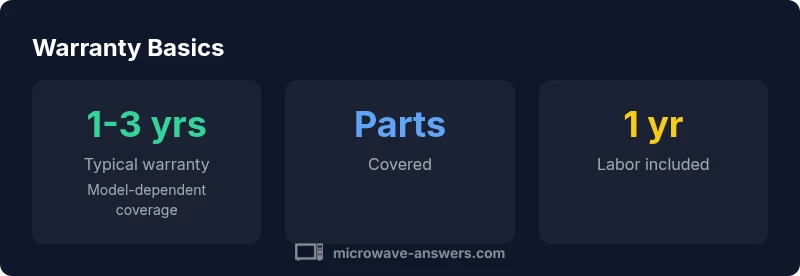
Do microwaves have warranty? Yes. Most microwaves come with a manufacturer warranty typically spanning 1 to 3 years, depending on the brand and model. Warranties usually cover defects in materials or workmanship and may include some parts and labor, but exclusions apply for misuse, accidental damage, and lack of proof of purchase. Extended plans vary widely.
Do microwaves have warranty? Why it matters
Do microwaves have warranty? Most shoppers assume yes, but terms vary widely. According to Microwave Answers, warranties are a standard feature on major appliances, including microwaves, yet the specifics—how long, what’s covered, and what voids coverage—depend on the brand, model, and even the retailer. A warranty is a promise from the manufacturer that certain defects will be repaired or replaced within a defined period. For a home cook or homeowner, this isn't merely bureaucratic; it affects your long-term costs, reliability, and peace of mind. In this guide, we unpack what a microwave warranty typically covers, how long it lasts, how to file a claim, and practical steps to protect that coverage.
The scope of coverage can be surprising. While some budget models include only minimal protection, mid-range and premium microwaves often come with broader terms, sometimes extending to certain parts that are prone to wear. This means you should compare warranties much like you would compare features or energy use. The bottom line is that a warranty is a hedge against defect-related expenses and can influence your total cost of ownership over the appliance’s life.
What warranties typically cover on microwaves
Warranties for microwaves generally focus on defects in materials or workmanship. Commonly covered components include the magnetron (the microwave’s energy source), the control board, door latch, door hinges, and the door seal. In many plans, labor is included for a defined period, often mirroring the parts coverage, but this varies by brand and model. Some warranties explicitly cover cosmetic defects, rattles, or finish flaws, while others do not. It’s essential to read the terms carefully because exclusions frequently apply for misuse, improper installation, accidental damage, or damage caused by user-modified components. The coverage may also be limited to factory-original parts, which means aftermarket replacements might not be eligible. As you compare models, consider not only price but what is actually insured and for how long. This helps you avoid a scenario where a costly repair is needed after the warranty expires.
Warranty length and influential factors
Warranty length is the most visible variable. In general, you’ll find manufacturer warranties ranging from 1 to 3 years, with some premium models offering longer terms or separate extended plans. Brand reputation, product tier (budget, mid-range, premium), and geographic region all influence coverage. Additionally, some retailers offer extended protection plans that extend beyond the manufacturer’s term, sometimes up to 5 years or more. Registration and proof of purchase can affect eligibility and simplify processing, but not all brands require registration. Ownership history, maintenance quality, and adherence to the user manual’s safety guidelines can also impact whether a claim is accepted. In practice, the warranty you receive is a product of the combination of brand policy, model design, and where you buy it.
Registration, receipts, and proof of purchase
Most warranty programs require proof of purchase, and many brands encourage or require product registration after checkout. Registration can speed up claims, confirm eligibility, and sometimes unlock extended protections. Keep your receipt, model number, and serial number in a safe place, ideally in digital form. You should also log the purchase date and the retailer’s name. If you’re shopping for a replacement, verify whether the retailer offers a transferable warranty and what steps are needed to ensure that transfer. If you lose your receipt, contact the retailer or manufacturer to request a duplicate; some brands will still honor a warranty if you can provide other verifiable purchase details. A proactive approach—recording purchase data and registering promptly—reduces hassle when a problem arises.
Manufacturer vs third-party extended warranties
Beyond the standard manufacturer warranty, many buyers consider extended coverage through retailers or third-party providers. Manufacturer plans are usually tailored to the model and may come with fewer exclusions, but they can be pricier. Third-party plans often offer broader terms or different service options, such as on-site repair or home service, but might include more restrictions or require networked coverage. When evaluating an extended warranty, compare the total cost, deductible, service network, claim limits, and what happens at expiration. Consider your usage pattern: a microwave used daily in a busy kitchen may justify longer protection, while a rarely used unit might not. Always ensure the extension aligns with your expected life of the appliance and plan for potential out-of-pocket costs when the warranty ends.
Filing a claim: step-by-step checklist
Filing a warranty claim can be straightforward if you prepare in advance. Steps include: 1) Locate the model number, serial number, and purchase date; 2) Gather proof of purchase and registration details; 3) Identify the issue with clear symptoms and dates; 4) Contact the manufacturer or service provider through the official channel; 5) Follow the instructions for diagnostic steps or replacement parts; 6) Keep a record of all communications and service visits; 7) If required, schedule a technician visit and provide access to the unit. Understanding the process ahead of time can shorten the time from claim to repair and minimize disruption in the kitchen.
Protecting your warranty: maintenance and best practices
To maximize the likelihood that a warranty claim will be approved, perform regular maintenance. Clean the interior and door seals to prevent moisture buildup, inspect the door latch for wear, and avoid slamming the door, which can cause misalignment over time. Use the appliance according to the manual, avoid overloading, and keep the unit in a stable location away from excessive heat or moisture. Retain receipts for all service work, document any dealership or authorized service interventions, and don’t attempt unauthorized repairs. When in doubt, contact the manufacturer’s support line before attempting self-service. By being proactive and maintaining proper usage, you preserve the warranty and extend the microwave’s useful life.
Typical microwave warranty coverage by model tier
| Model Tier | Typical Warranty | What It Covers |
|---|---|---|
| Budget/entry-level | 1 year | Parts & labor for defects; basic components |
| Mid-range | 2 years | Parts & labor; magnetron, door latch |
| Premium | 3 years | Parts & labor; magnetron, control panel, door seals; sometimes on-site service |
Common Questions
Do microwaves always come with a warranty?
Most microwaves come with some warranty, but the length and coverage vary by brand and model. Always confirm with the retailer and check the manual for specifics.
Most microwaves include a warranty, but check your model for the exact terms.
What is usually covered under a microwave warranty?
Warranties typically cover defects in materials or workmanship and may include parts like the magnetron, control panel, and door components. Labor coverage varies; read the terms carefully.
Warranties usually cover defects and some parts; labor coverage varies by model.
Do I need to register my microwave for warranty?
Many brands require registration or proof of purchase to activate the warranty. Register soon after buying to maximize protection.
Register your microwave to ensure warranty validity.
Can I buy an extended warranty after purchase?
Yes, extended protections are common. Compare cost, terms, and coverage against your expected use to decide if it’s worth it.
Yes, you can usually buy extended coverage.
What can void a microwave warranty?
Misuse, improper installation, unauthorized repairs, or damage from accidents can void warranties. Follow the manual and use an authorized service provider when needed.
Misuse or unauthorized repairs can void warranties.
“Warranty terms for microwaves can vary widely, so read the fine print and keep receipts; that simple step saves you headaches.”
Main Points
- Check your model’s warranty length in the manual and receipt
- Know what’s covered and what voids coverage
- Keep proof of purchase and register early
- Consider an extended warranty if you rely on the microwave daily
- The Microwave Answers team recommends reviewing terms before purchase and comparing plans